Exploring the Beauty and Heritage of Cumbria
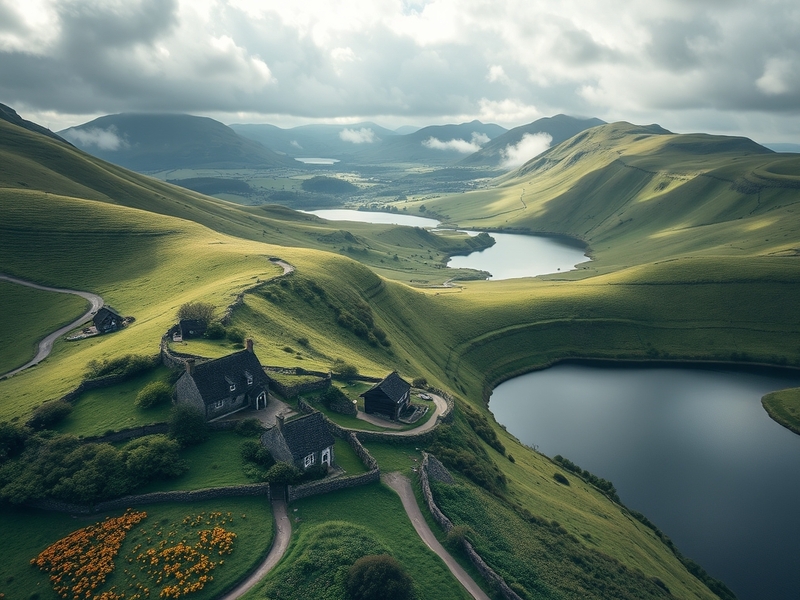
Cumbria, located in the northwestern part of England, is a region rich in natural beauty and cultural heritage. Known primarily for the Lake District National Park, Cumbria attracts visitors with its stunning landscapes, historic sites, and vibrant communities. The area is characterized by rolling hills, serene lakes, and charming villages, making it a haven for outdoor enthusiasts and those seeking a peaceful retreat.
Natural Wonders of Cumbria
The Lake District, a UNESCO World Heritage Site, is perhaps the most iconic feature of Cumbria. This area is home to England’s highest mountain, Scafell Pike, and its largest lake, Lake Windermere. Visitors can engage in numerous activities such as hiking, cycling, and boating. The breathtaking scenery offers a perfect backdrop for photography and art, inspiring countless painters and writers over the centuries.
Key natural attractions include:
- Scafell Pike: The highest peak in England, offering challenging hikes and panoramic views.
- Lake Windermere: A popular spot for boating and water sports, surrounded by picturesque villages.
- Grasmere: Famous for its gingerbread and as the home of poet William Wordsworth.
- Ullswater: Often regarded as one of the most beautiful lakes, perfect for a tranquil escape.
Cultural Significance and Heritage
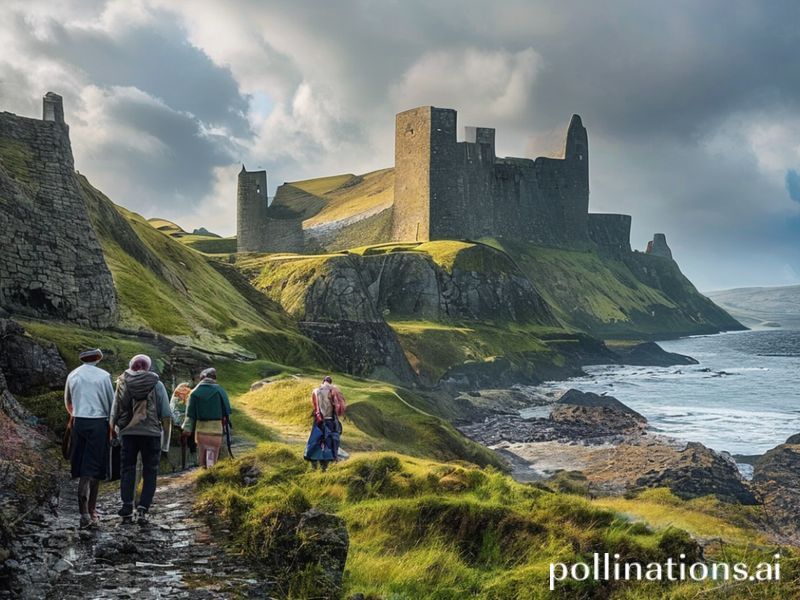
Cumbria’s cultural landscape is just as rich as its natural one. The region is steeped in history, with remnants of ancient settlements and landmarks. The medieval castles and churches tell stories of the past, reflecting the architectural styles and societal structures of their times. The region has also been a source of inspiration for many literary figures, including Beatrix Potter and John Ruskin, who have highlighted the beauty and intricacies of life in Cumbria.
Some historical sites worth visiting include:
- Castlerigg Stone Circle: A prehistoric monument that offers insight into ancient rituals.
- Dove Cottage: The home of Wordsworth, now a museum dedicated to his life and work.
- Dalemain Mansion: A beautiful historic house showcasing Georgian architecture and gardens.
Modern-Day Cumbria: A Blend of Tradition and Innovation
Today, Cumbria is not only a destination for nature lovers but also a thriving community where tradition meets modernity. The local economy has diversified, with tourism playing a significant role alongside agriculture and manufacturing. Events like the Kendal Mountain Festival celebrate outdoor sports and adventure, drawing enthusiasts from across the globe.
Moreover, the region is making strides in sustainability and eco-tourism, aiming to preserve its natural beauty while accommodating an increasing number of visitors. Various initiatives focus on protecting local wildlife, promoting sustainable practices, and encouraging visitors to respect the environment. Local businesses are increasingly adopting eco-friendly practices, reinforcing the importance of maintaining Cumbria’s pristine landscapes for future generations.
Conclusion
Cumbria stands as a testament to the harmonious relationship between nature and culture. Its breathtaking landscapes, rich history, and modern innovations make it a unique destination worth exploring. Whether hiking up the hills, visiting historical sites, or enjoying local cuisine, visitors to Cumbria are sure to leave with lasting memories. As the region continues to evolve, its commitment to preserving its heritage and environment remains paramount, ensuring that Cumbria will be cherished for years to come.