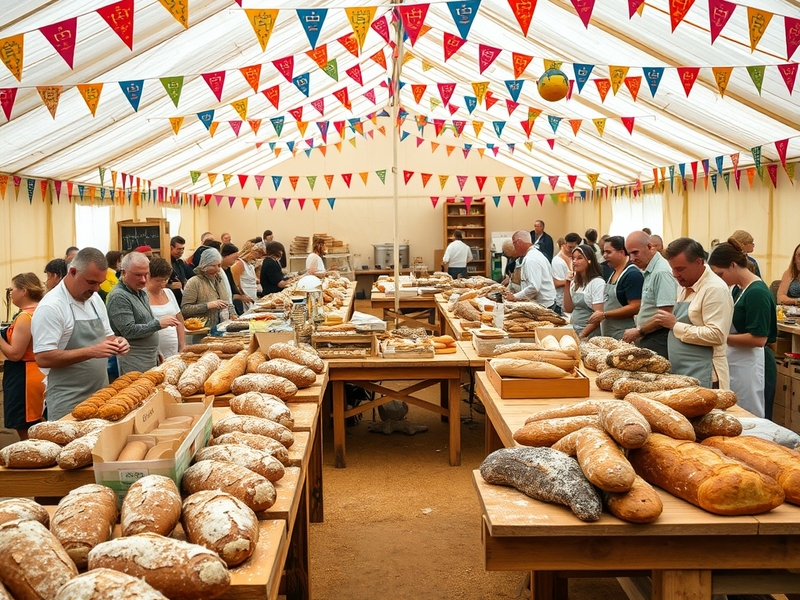
The Significance of Bread Week on The Great British Bake Off
Each season of The Great British Bake Off (GBBO) brings a unique theme to the forefront, but none quite capture the essence of baking like Bread Week. This pivotal moment in the competition serves not just as a test of skill, but also as a celebration of bread’s rich history and diverse cultural significance. From rustic sourdoughs to delicate brioche, Bread Week challenges contestants to showcase their technical prowess while also paying homage to a staple food that has nourished civilizations for centuries.
A Global Perspective on Bread
Bread is much more than a mere accompaniment to meals; it is a symbol of community, tradition, and innovation across the globe. In many cultures, the act of breaking bread signifies unity and hospitality. Here are a few examples:
- France: Baguettes are not just a food item; they are a cultural icon, often associated with French identity.
- India: Naan and roti are staple breads that accompany various regional dishes, showcasing the diversity of Indian cuisine.
- Mexico: Tortillas serve both as a food source and a cultural artifact, integral to the culinary landscape.
- Italy: Focaccia and ciabatta highlight the Italian passion for quality ingredients and artisanal methods.
As contestants tackle these global bread varieties, they not only demonstrate their baking skills but also engage in a dialogue about cultural heritage and the significance of bread in daily life.
The Challenges of Bread Week
During Bread Week, participants face a series of demanding challenges, each designed to test their understanding of bread-making techniques. These challenges often include:
- Signature Bake: Contestants create their unique bread recipes, allowing them to showcase personal style and creativity.
- Technical Challenge: A mystery bread recipe that tests bakers on their technical skills and ability to follow instructions.
- Showstopper Challenge: A grand display of bread artistry, where bakers must impress the judges with creativity and presentation.
These challenges are not merely about producing edible bread; they are a reflection of the contestants’ understanding of fermentation, flavor profiles, and the science behind baking. The pressure is palpable, and the stakes are high, as each loaf is a potential ticket to the next round or a trip home.
Lessons from Bread Week
Beyond the competitive aspect, Bread Week imparts valuable lessons that resonate with audiences worldwide. The process of making bread is often seen as a metaphor for patience and perseverance. Bakers must wait for dough to rise, emphasizing the importance of time in achieving the perfect loaf. This theme of patience mirrors many life lessons, where good things often require effort and time to manifest.
Moreover, Bread Week encourages viewers to experiment with baking at home. Many fans of the show have taken to their kitchens, inspired by the techniques demonstrated by contestants. This surge in home baking has revitalized traditional recipes and introduced new ones, fostering a sense of community among amateur bakers.
Conclusion
Great British Bake Off’s Bread Week serves as a powerful reminder of the significance of bread in our lives. It transcends simple nourishment, acting as a vessel for culture, tradition, and creativity. As viewers watch contestants navigate the intricacies of bread-making, they are drawn into a world where culinary skills meet cultural exploration. This celebration of bread not only enriches the competition but also inspires a newfound appreciation for this age-old staple. Whether you are a seasoned baker or a curious novice, Bread Week invites everyone to explore the endless possibilities that arise from flour, water, and yeast.