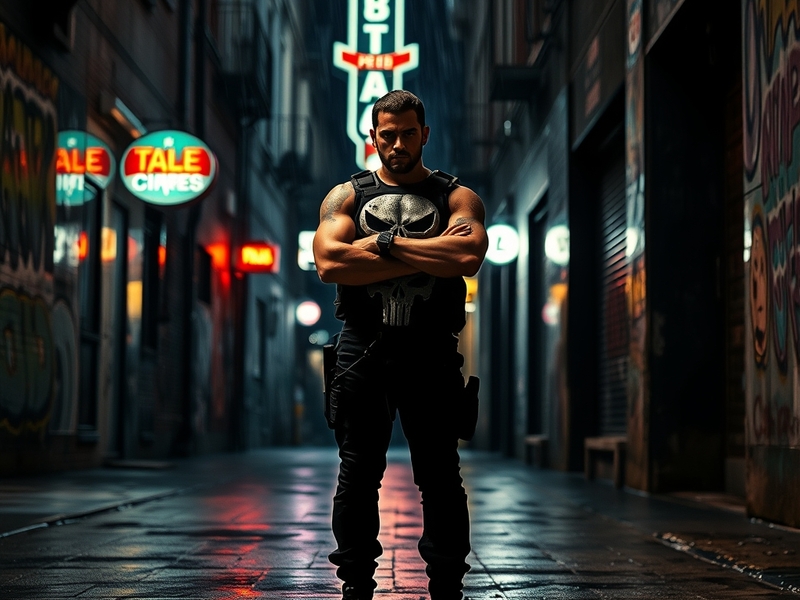
The Evolution of the Punisher in Popular Culture
The Punisher, originally created by writer Gerry Conway and artist John Romita Sr. for Marvel Comics in 1974, has undergone significant transformations over the decades. Initially depicted as a ruthless antihero, his character has evolved in response to changing societal norms and perceptions of justice. From comic books to television series and films, the Punisher’s narrative reflects broader themes of morality, vigilantism, and the impact of violence in society.
Character Overview
The Punisher, whose real name is Frank Castle, is a former Marine who becomes a vigilante after the murder of his family by mobsters. His primary motivation is to punish those he believes deserve it, often employing lethal force. This portrayal raises important questions about the nature of justice and the consequences of taking the law into one’s own hands.
Key characteristics of the Punisher include:
- Vigilante Justice: His belief in delivering justice outside the confines of law enforcement.
- Moral Ambiguity: The ethical dilemmas surrounding his violent methods.
- Military Background: His training and skills as a Marine inform his approach to combat and strategy.
- Isolation: His solitary lifestyle reflects the emotional toll of his quest for vengeance.
Impact on Media and Society
The Punisher’s portrayal in various media has sparked discussions about the glorification of violence and the ramifications of vigilantism. Notably, the Netflix series “The Punisher” received both acclaim and criticism for its gritty realism and exploration of trauma. Critics argue that while the series provides an engaging narrative, it also risks normalizing extreme violence as a solution to societal issues.
Moreover, the character has been adopted by various groups, sometimes to promote agendas that may not align with the original themes of justice and morality. This appropriation has led to a complex relationship between the character and real-world violence, as some see the Punisher as a symbol of empowerment, while others condemn the glorification of his brutal methods.
Broader Implications and Analysis
The Punisher serves as a lens through which we can examine societal attitudes towards crime and punishment. His story raises critical questions about the effectiveness of the justice system and the ethical implications of self-appointed vigilantes. As audiences engage with his narrative, they must confront the uncomfortable reality that violence often begets more violence.
In analyzing the Punisher’s impact, several key points emerge:
- The portrayal of violence in media can influence public perception of justice.
- Characters like the Punisher challenge traditional hero archetypes, blurring the lines between heroism and villainy.
- Vigilante narratives often reflect societal frustrations with law enforcement and the judicial system.
- The character’s evolution mirrors changing cultural attitudes towards crime, punishment, and morality.
As the Punisher continues to be reinterpreted across various platforms, it is essential to consider how these adaptations shape public discourse. The character’s enduring popularity suggests a deep-seated fascination with the idea of taking justice into one’s own hands, regardless of the moral implications.
Conclusion
The Punisher remains a complex figure within popular culture, representing not only the allure of vigilante justice but also the dangers that accompany it. His narrative invites audiences to grapple with significant moral questions while reflecting on the societal constructs surrounding justice and retribution. As new adaptations emerge, the conversation surrounding the Punisher will likely persist, challenging perceptions of heroism and the nature of justice in an ever-evolving society.