Drought in the United Kingdom: An Increasing Concern
The United Kingdom, known for its temperate climate and frequent rainfall, is facing a growing challenge: drought. This phenomenon, which traditionally seemed foreign to the British Isles, is becoming more frequent and severe, raising concerns for various sectors including agriculture, water supply, and biodiversity. The implications of drought extend beyond just the immediate impacts on water availability; they can affect food production, economic stability, and the environment.
Understanding the Causes of Drought
Drought in the UK can be attributed to a combination of climatic changes and human activities. Several factors contribute to this phenomenon:
- Climate Change: Rising global temperatures are altering weather patterns, leading to prolonged dry spells.
- Increased Water Demand: Urban expansion and population growth have led to higher water consumption, putting additional pressure on water resources.
- Soil Degradation: Poor land management practices have reduced the soil’s ability to retain moisture.
- Seasonal Variability: Changes in seasonal rainfall patterns have resulted in less predictable weather, making droughts more likely.
These factors intertwine, creating a complex web of challenges that exacerbate the risk of drought. The frequency of drought events has increased, with the summer of 2022 being one of the driest on record in many parts of the UK.
Impacts on Agriculture and Food Security
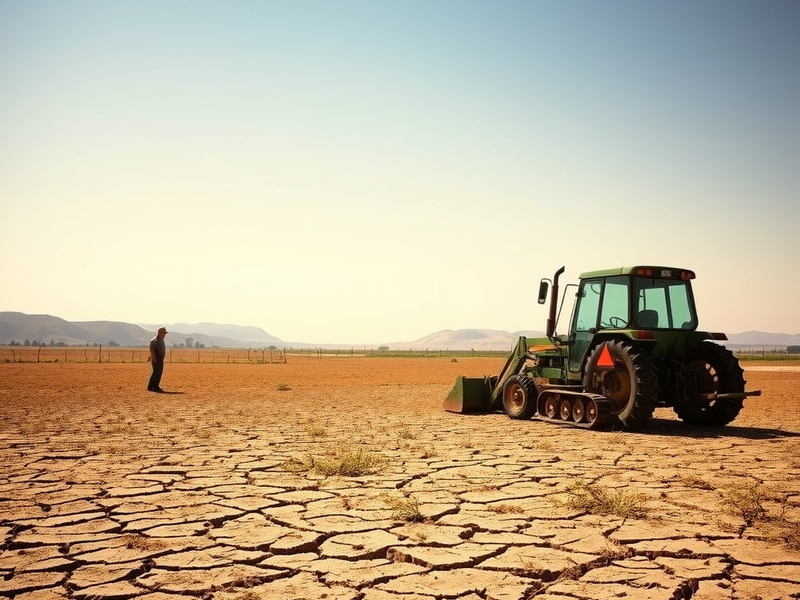
The agricultural sector is particularly vulnerable to drought conditions. Farmers rely heavily on consistent rainfall for crop growth, and extended dry periods can lead to significant crop failures. This not only affects farmers’ livelihoods but also has broader implications for food security across the nation.
Some of the key impacts of drought on agriculture include:
- Reduced Crop Yields: Lack of adequate water supply can lead to stunted growth and lower yields.
- Increased Costs: Farmers may need to invest in irrigation systems, which can be financially burdensome.
- Livestock Health: Drought can lead to reduced forage availability, affecting the health and productivity of livestock.
The repercussions of these agricultural challenges can ripple through the economy, leading to increased food prices and potential shortages. It is essential to address these issues with effective water management strategies and sustainable farming practices to mitigate the impact of drought.
Broader Implications for the Environment and Society
Drought does not only threaten agriculture; it also poses significant risks to the environment and society at large. Ecosystems rely on consistent water levels, and prolonged drought can lead to habitat loss, decreased biodiversity, and increased vulnerability to invasive species. Aquatic ecosystems, in particular, are at risk as rivers and lakes dry up, affecting fish populations and other wildlife.
Moreover, the social implications of drought can be profound. Water scarcity can lead to conflicts over resources, especially in regions where water is already limited. Communities may face challenges in accessing clean drinking water, leading to public health issues. Addressing these problems requires a collaborative approach that involves government, local communities, and environmental organizations.
In light of these challenges, the UK must adapt its policies to better manage water resources and prepare for the realities of a changing climate. Strategies could include:
- Enhancing water conservation efforts
- Investing in infrastructure for better water management
- Implementing sustainable agricultural practices
- Increasing public awareness about water usage
Conclusion: A Call to Action
The increasing frequency and severity of drought in the United Kingdom call for urgent action. While the country has historically been seen as wet and rainy, the changing climate demands a reassessment of water management practices and policies. By addressing the root causes of drought, enhancing agricultural resilience, and protecting ecosystems, the UK can better prepare for future challenges.
As individuals and communities, we must also play our part in water conservation and sustainable practices. Only through collective efforts can we safeguard our water resources and ensure that future generations are not left to deal with the consequences of our inaction.