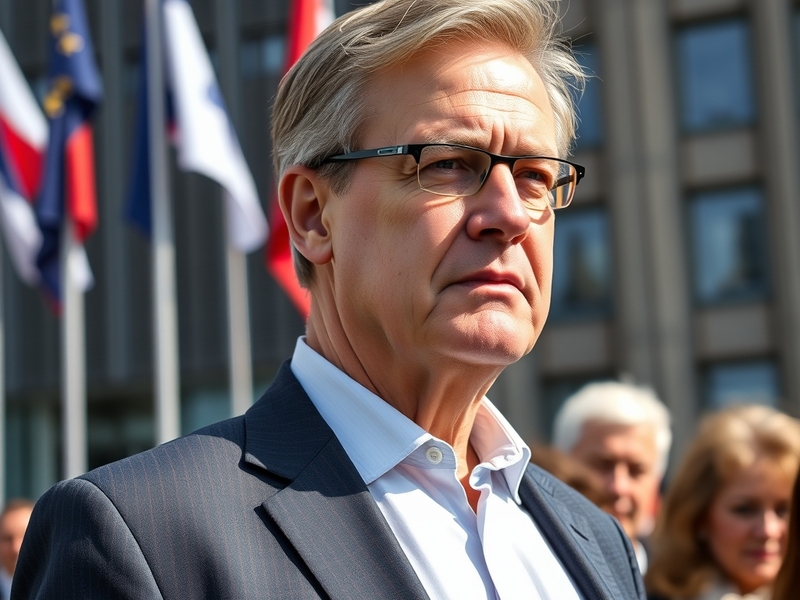
Who is Bernd Lange?
Bernd Lange is a notable figure in contemporary politics, particularly recognized for his contributions to the European Parliament. As a member of the Social Democratic Party of Germany (SPD), Lange has been instrumental in shaping various legislative policies that impact not only Germany but also the broader European Union. His work primarily focuses on trade, labor issues, and the digital economy, reflecting a commitment to social justice and economic fairness.
Political Career and Achievements
Lange’s political journey began at a young age. He has held various positions within the SPD and has been a Member of the European Parliament (MEP) since 2009. His tenure in the European Parliament has been marked by significant achievements, particularly in the area of trade. He has served as the Chair of the Committee on International Trade, where he advocated for fair trade agreements that prioritize labor rights and environmental sustainability.
Some of his notable contributions include:
- Advocating for transparency in trade negotiations.
- Promoting the inclusion of labor standards in trade agreements.
- Supporting initiatives aimed at combating climate change through trade policy.
Through these efforts, Lange has positioned himself as a champion for both economic growth and social equity, striving to ensure that trade policies benefit all segments of society.
Global Perspective on Trade and Labor Rights
The impact of Lange’s work extends beyond Europe. In a globalized economy, trade agreements often influence labor rights and environmental practices around the world. Lange’s focus on integrating social standards into trade deals highlights a growing recognition of the interconnectedness of economies. Countries are increasingly aware that neglecting labor rights can lead to social unrest and economic instability.
As trade agreements evolve, Lange emphasizes the need for a balanced approach that considers:
- Economic benefits for all parties involved.
- Protection of workers’ rights across borders.
- Environmental sustainability in production practices.
This comprehensive view is essential in fostering a fairer global trade system. By advocating for policies that prioritize these aspects, Lange contributes to a vision of international trade that aligns with ethical standards.
Cultural Context and Future Challenges
In the context of European politics, Lange’s work reflects broader cultural shifts towards social democracy and progressive values. The rise of populism and nationalist sentiments in various countries has posed challenges to the ideals of open trade and cooperation. Lange’s advocacy for inclusive policies seeks to counter these trends by demonstrating the tangible benefits of collaboration and fairness in trade.
Looking ahead, Lange faces several challenges, including:
- The need to address public skepticism towards globalization.
- Balancing national interests with European unity.
- Ensuring that future trade agreements are equitable and sustainable.
To navigate these challenges, Lange will need to engage with diverse stakeholders, including labor unions, environmental groups, and business leaders. His ability to forge consensus will be crucial in advancing policies that reflect the values of a modern, interconnected world.
Conclusion
Bernd Lange’s contributions to European politics and trade policy are significant and multifaceted. His commitment to social justice, labor rights, and environmental sustainability positions him as a key player in shaping the future of trade in Europe and beyond. As global dynamics continue to shift, Lange’s approach will be essential in fostering a fair and equitable trade system that benefits all. To learn more about the intersection of politics and trade, visit our Politics and Business sections.