Understanding Nor’easters: A Meteorological Overview
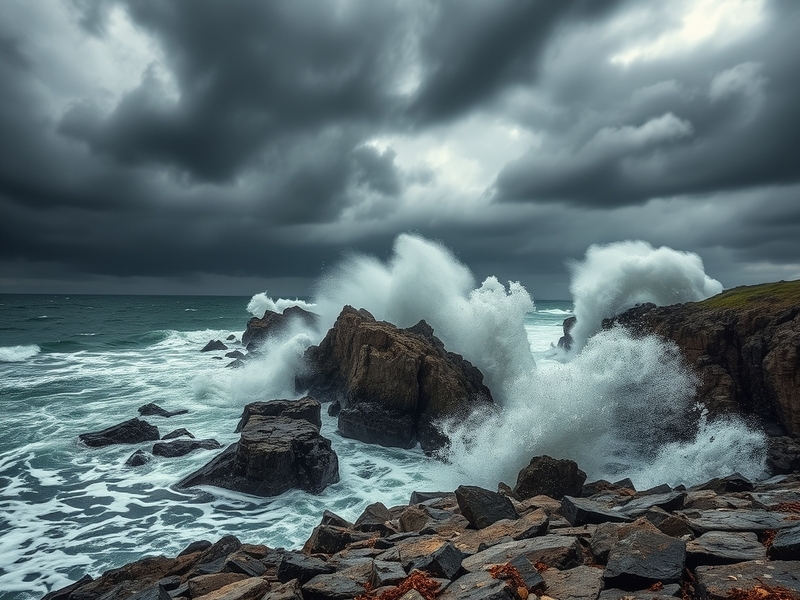
Nor’easters are powerful storms that primarily affect the northeastern United States. Characterized by strong winds and heavy precipitation, these weather systems can bring about significant disruptions. Typically occurring during the winter months, they can lead to blizzards, coastal flooding, and hazardous travel conditions. The unique combination of cold air from the north and warm, moist air from the Atlantic Ocean creates the ideal conditions for these storms.
Formation and Characteristics
The formation of a nor’easter is a complex process involving several meteorological factors. Here are the key components that contribute to the development of these storms:
- Low-Pressure Systems: Nor’easters often originate from low-pressure systems that form along the eastern seaboard.
- Temperature Contrasts: The clash between cold air from Canada and warm, moist air from the Atlantic is crucial.
- Jet Stream Dynamics: The positioning of the jet stream can steer these storms and influence their intensity.
- Geographical Influence: Coastal geography can exacerbate the effects of the storm, particularly in areas prone to flooding.
As these storms evolve, they can intensify rapidly, leading to severe weather conditions that can last for several days. The National Oceanic and Atmospheric Administration (NOAA) closely monitors these systems to provide timely warnings to affected regions.
Impact on Communities
Nor’easters can have profound implications for the communities they impact. These storms often result in:
- Transportation Disruptions: Heavy snowfall and strong winds can lead to flight cancellations and road closures.
- Power Outages: Ice accumulation on power lines and trees can cause widespread outages, affecting thousands of residents.
- Economic Consequences: Businesses may close, and the costs associated with snow removal and repairs can strain local budgets.
- Public Safety Risks: Travel becomes hazardous, and emergency services may face challenges in reaching those in need.
In addition to immediate impacts, the long-term effects of these storms can alter community dynamics. For instance, repeated nor’easters may lead to increased investment in infrastructure to mitigate flooding risks or enhance emergency preparedness.
Climate Change and Nor’easters
The relationship between climate change and nor’easters is a growing area of research. As global temperatures rise, scientists are investigating how these storms might evolve. Some studies suggest that warmer ocean temperatures could lead to more intense storms, with heavier precipitation and stronger winds.
Additionally, rising sea levels may exacerbate coastal flooding during nor’easters, posing a greater risk to coastal communities. Understanding these trends is essential for developing adaptive strategies to protect vulnerable areas.
Conclusion
Nor’easters are formidable weather events that can significantly impact the northeastern United States. Their formation is influenced by various meteorological factors, and their effects can be felt across multiple sectors of society. As climate change continues to reshape our environment, the characteristics and consequences of nor’easters may also change, necessitating ongoing research and preparedness efforts. Communities must stay informed and adapt to the evolving nature of these powerful storms.