The Evolution of Professional Wrestling
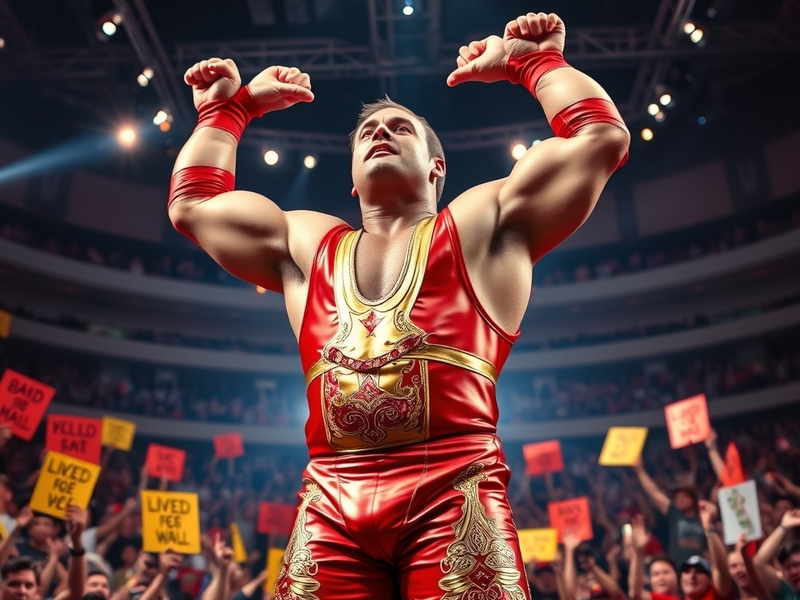
Professional wrestling has evolved dramatically since its inception, transforming from a carnival attraction into a global entertainment powerhouse. Initially, wrestling matches were unscripted competitions, but over time, they adopted theatrical elements, creating a unique blend of sport and performance art. This evolution has allowed wrestling to capture audiences worldwide, with promotions like WWE, New Japan Pro-Wrestling, and AEW leading the charge.
Global Perspectives on Wrestling
Wrestling is not just an American pastime. Across the globe, different cultures have embraced the sport, each adding its own flavor to the tradition. For example:
- Lucha Libre in Mexico: Known for its colorful masks and high-flying maneuvers, Lucha Libre features a distinct style that emphasizes athleticism and storytelling.
- Puroresu in Japan: This style focuses on strong, hard-hitting matches that blur the lines between reality and performance, often featuring longer match times and intricate storytelling.
- British Catch Wrestling: With roots in the UK, this style emphasizes technical skills and submission holds, showcasing the sport’s grappling heritage.
These variations highlight how wrestling can adapt and thrive in different cultural contexts, appealing to diverse audiences while maintaining its core elements.
The Role of Storytelling in Wrestling
At its heart, professional wrestling is about storytelling. Wrestlers portray characters, often exaggerated versions of themselves, creating compelling narratives that captivate fans. This aspect of wrestling distinguishes it from other sports, as the outcomes are predetermined, allowing for intricate plotlines to unfold.
Story arcs can range from classic good vs. evil rivalries to complex character developments and unexpected alliances. The ability to engage audiences through storytelling has contributed significantly to wrestling’s popularity. Iconic figures like The Rock, Stone Cold Steve Austin, and John Cena have not only excelled in the ring but have also become cultural icons through their compelling narratives.
The Future of Professional Wrestling
As technology advances, the future of professional wrestling looks promising. The rise of social media platforms has allowed wrestlers to connect with fans on a personal level, creating a more engaging experience. Promotions are also embracing streaming services, making wrestling more accessible than ever.
Moreover, the emergence of independent wrestling promotions has introduced fresh talent and innovative ideas. These promotions often focus on unique storytelling and diverse wrestling styles, appealing to niche audiences. As a result, the wrestling landscape is becoming increasingly varied and vibrant.
In conclusion, professional wrestling is a dynamic and multifaceted form of entertainment that continues to evolve. By blending athleticism, storytelling, and cultural influences, it remains relevant across generations and geographies. As the industry adapts to new trends and technologies, the future promises to be as exciting as its storied past.