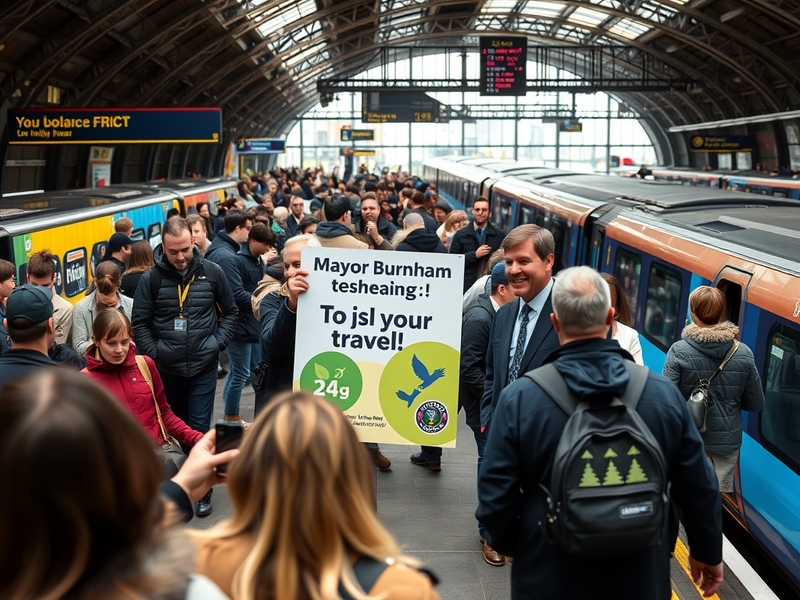
Andy Burnham’s Commuter Behavior Campaign: A New Approach to Urban Mobility
In the bustling city of Manchester, Mayor Andy Burnham has initiated a campaign aimed at transforming commuter behavior. This initiative not only addresses the pressing issue of urban congestion but also seeks to promote sustainable transport options among residents. By encouraging a shift in how people travel, Burnham hopes to create a more efficient and eco-friendly urban environment.
The Goals of the Campaign
At the heart of Burnham’s commuter behavior campaign are several key objectives. These goals reflect a broader vision for a modern, interconnected city that prioritizes the needs of its citizens and the environment. The campaign focuses on:
- Reducing traffic congestion during peak hours
- Encouraging public transport usage
- Promoting active travel methods such as cycling and walking
- Enhancing air quality through reduced emissions
- Raising awareness about the benefits of sustainable commuting
By addressing these goals, the campaign not only aims to alleviate immediate transportation challenges but also to foster long-term changes in commuter habits.
Context and Background
Urban areas face significant challenges related to transportation. As cities grow, the strain on infrastructure becomes more pronounced, leading to increased traffic congestion and pollution. In Manchester, as in many other metropolitan areas, the need for innovative solutions is critical. Burnham’s campaign responds to these challenges by emphasizing a collective responsibility among commuters. It acknowledges that individual choices can have a substantial impact on the community as a whole.
Moreover, the campaign aligns with broader national and global efforts to combat climate change. With increasing awareness of environmental issues, cities are looking for ways to reduce their carbon footprint. The shift towards sustainable commuting is not merely an option; it is becoming a necessity for urban centers worldwide. Burnham’s initiative is a proactive step in this direction, setting a precedent for other cities to follow.
Implications for the Future
The implications of this campaign extend beyond just improved commuting practices. A successful shift in commuter behavior can lead to several positive outcomes:
- Enhanced Public Health: With more people walking and cycling, public health can improve due to increased physical activity and reduced air pollution.
- Economic Benefits: Less congestion can lead to increased productivity and efficiency, benefiting local businesses and the economy.
- Community Engagement: By involving residents in the campaign, Burnham fosters a sense of community ownership and responsibility towards urban mobility.
- Environmental Impact: A reduction in vehicle emissions can contribute significantly to the fight against climate change, making cities more livable.
As Manchester embarks on this journey, it will be essential to monitor and assess the outcomes of the campaign. Feedback from commuters and data on transportation patterns will provide valuable insights into the effectiveness of the initiative. Adapting strategies based on these findings will be crucial for sustained success.
Conclusion
Andy Burnham’s commuter behavior campaign represents a forward-thinking approach to urban mobility. By focusing on sustainable transport options and encouraging a shift in commuter habits, Manchester is setting an example for other cities grappling with similar challenges. The campaign’s success could herald a new era of urban transportation, marked by reduced congestion, improved air quality, and a more engaged community. As we look to the future, the lessons learned from this initiative may well influence transportation policies and practices across the globe. For more insights into urban mobility and related topics, visit our transportation category and explore our sustainability resources.