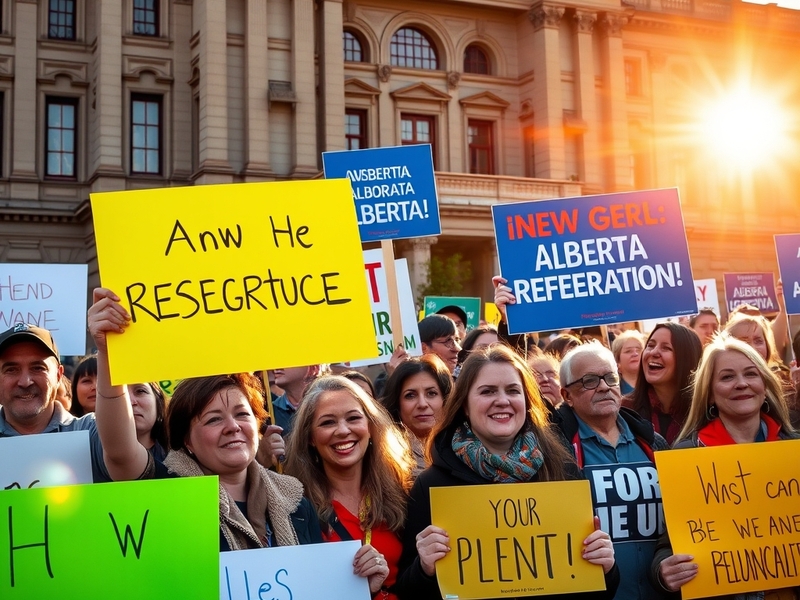
Understanding the Alberta Referendum: A Historical Context
The Alberta referendum serves as a crucial moment in the province’s political landscape. While referendums are not new to Canada, Alberta’s recent push for direct democracy reflects a growing trend among provinces seeking to assert their autonomy. This article aims to explore the context, implications, and reactions surrounding the Alberta referendum.
The Context Behind the Referendum
Alberta has a rich tapestry of history that shapes its current political climate. The province has long been viewed as a stronghold of conservative values, often at odds with federal policies. The referendum process is a means for Albertans to express their discontent with perceived federal overreach. This sentiment has been particularly pronounced in areas such as energy policy, taxation, and social governance.
In recent years, economic downturns and changes in leadership have intensified discussions about Alberta’s future. Many residents feel that their voices are not adequately represented in Ottawa, prompting calls for a referendum to address key issues. This desire for local governance is echoed in various regions around the world, where populations are increasingly seeking to influence policy directly.
Key Issues at Stake
Several pivotal issues are driving the Alberta referendum debate. These include:
- Energy Policy: Alberta is home to vast oil and gas reserves. Many residents argue that federal regulations hinder the province’s economic potential.
- Taxation: Concerns about federal taxation policies have led to discussions about Alberta’s fiscal autonomy.
- Social Policies: A growing divide in social issues has prompted calls for a referendum on matters like education and health care.
Each of these issues resonates with Albertans, revealing a complex landscape of opinions and priorities. The referendum provides a platform for these voices, allowing citizens to directly influence their governance.
Global Perspectives on Referendums
Referendums are a common tool for gauging public opinion worldwide. Countries like the United Kingdom and Switzerland have successfully utilized referendums to determine key national issues. In the UK, the Brexit referendum showcased the power of direct democracy, leading to significant political change. Similarly, Switzerland’s frequent use of referendums allows its citizens to have a direct say in legislation, fostering a culture of political engagement.
However, the implications of referendums are not always straightforward. While they can empower citizens, they can also lead to division and polarization. In Alberta, the referendum could either strengthen provincial unity or exacerbate existing tensions between different political factions. Understanding these dynamics requires a careful analysis of not just local sentiments but also global trends in governance.
Conclusion: The Road Ahead for Alberta
The Alberta referendum represents a critical juncture for the province. It allows citizens to voice their concerns and influence the direction of their governance. As the referendum approaches, the outcomes will likely have lasting effects on Alberta’s political landscape. The results could either reinforce a desire for autonomy or signal a need for reconciliation with federal authorities.
As Alberta navigates this complex political terrain, it will be essential to consider the lessons learned from other regions that have embraced direct democracy. The outcomes of such processes can vary widely, and Alberta’s journey will be closely watched by both national and international observers. The referendum is not merely a local event but a reflection of broader trends in governance and citizen engagement.
For those interested in more political analysis, visit our Politics section for additional insights and updates.