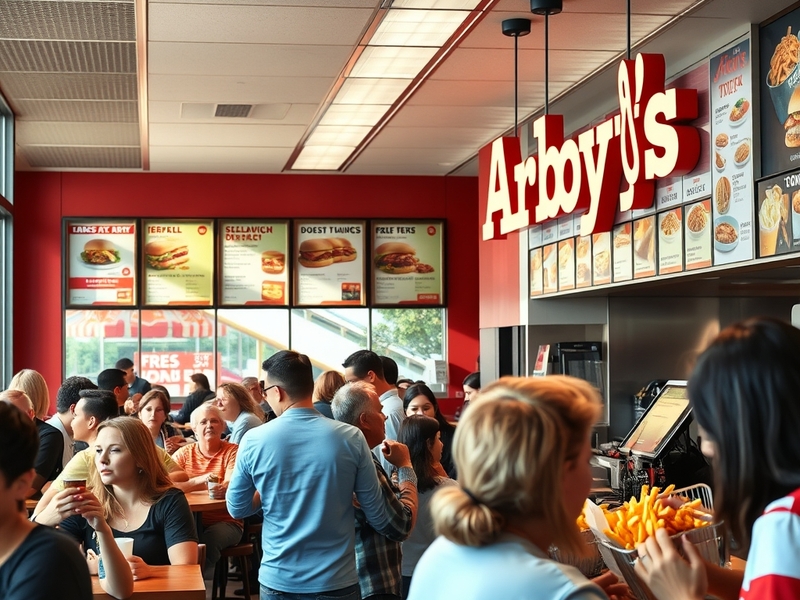
Exploring Arby’s: A Fast Food Staple
Arby’s has long been a fixture in the American fast-food scene, known for its unique offerings that set it apart from traditional burger joints. Founded in 1964, the chain has carved a niche for itself with its focus on roast beef sandwiches, which have become emblematic of its brand. Over the years, Arby’s has expanded its menu to include a variety of meats, sides, and even desserts, appealing to a broad audience.
The Menu: A Meaty Affair
What makes Arby’s stand out is its commitment to serving a range of meat-based options. While the roast beef sandwich remains the flagship item, the menu has evolved significantly. Customers can choose from a selection that includes turkey, brisket, and even lamb. This diverse offering allows Arby’s to cater to different tastes and preferences.
Key components of Arby’s menu include:
- Classic Roast Beef Sandwich
- Beef ‘n Cheddar
- Turkey and Swiss Sandwich
- Brisket Sandwich
- Curly Fries and other sides
This variety not only attracts meat lovers but also positions Arby’s as a more sophisticated option in the fast-food category. The ability to customize sandwiches and choose from various toppings further enhances the customer experience.
Marketing Strategies: “We Have the Meats”
Arby’s marketing campaigns have been notable for their creativity and humor. The slogan “We Have the Meats” has become iconic, effectively communicating the brand’s dedication to meat-centric offerings. This straightforward messaging resonates with consumers who prioritize quality and variety in their fast-food choices.
Additionally, Arby’s utilizes social media platforms to engage with younger audiences. Their clever and often humorous posts not only promote menu items but also establish a relatable brand persona. This strategy has proven effective in increasing brand loyalty and attracting a new generation of customers.
Broader Implications: Fast Food and Consumer Trends
The evolution of Arby’s reflects broader trends within the fast-food industry. As consumer preferences shift towards healthier options, there has been a growing emphasis on transparency and quality in food sourcing. Arby’s has responded by promoting the quality of its meats and the absence of artificial ingredients in some menu items.
Moreover, the rise of food delivery services has influenced how fast-food chains operate. Arby’s has adapted by expanding its delivery options, ensuring that it remains competitive in a rapidly changing marketplace. The convenience of delivery aligns with the increasing consumer demand for quick and easy meal solutions.
Conclusion: The Future of Arby’s
As Arby’s continues to innovate and adapt to changing consumer preferences, its commitment to quality and variety will be crucial. The brand’s ability to maintain its core identity while exploring new menu items and marketing strategies sets it apart in a crowded marketplace. With a focus on customer engagement and modern dining trends, Arby’s is well-positioned for future growth.
For more insights into fast food trends and what’s next for the industry, check out our Food and Trending categories.