Understanding Food Lion: A Grocery Store Giant
Food Lion is a prominent grocery store chain that has carved a niche for itself in the Southeastern United States. With roots dating back to 1957, the brand has consistently adapted to changing consumer preferences and market dynamics. Today, it operates over 1,000 stores across several states, providing a wide range of products including fresh produce, meats, dairy, and household essentials.
History and Growth of Food Lion
The origins of Food Lion can be traced back to a small grocery store in Salisbury, North Carolina. Over the decades, the company expanded rapidly, becoming a household name in the region. Its growth strategy has included both organic expansion and strategic acquisitions, allowing it to increase its footprint significantly.
Key milestones in the company’s history include:
- 1960s: Expansion into Virginia and South Carolina.
- 1983: Rebranding from Food Town to Food Lion, emphasizing a more customer-friendly image.
- 2000s: Introduction of loyalty programs and online shopping options.
- 2010: Major renovations to stores to enhance the shopping experience.
Today, Food Lion is known for its commitment to providing quality products at affordable prices. The company has also made significant strides in sustainability and community engagement, which are increasingly important to modern consumers.
Customer Experience and Offerings
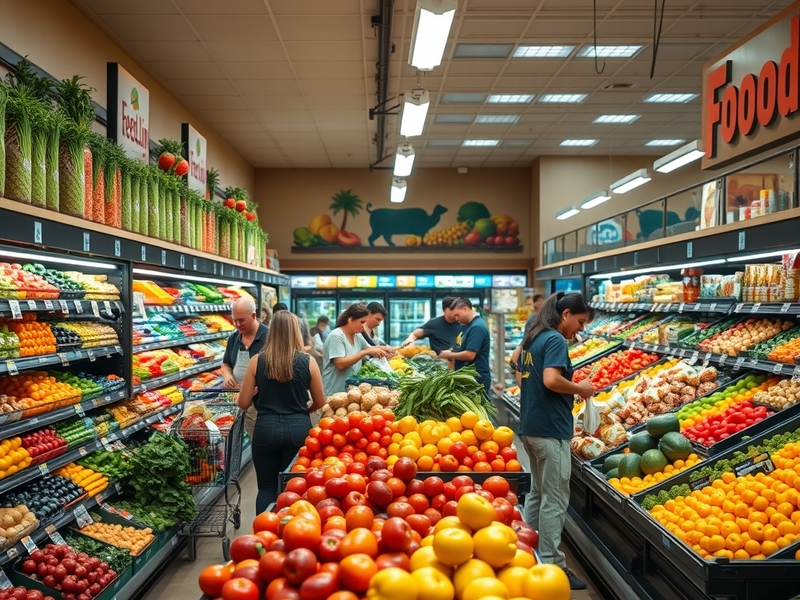
One of the key aspects that sets Food Lion apart from its competitors is its focus on customer experience. The chain has implemented several initiatives to make shopping more convenient and enjoyable. For example, their stores are designed for easy navigation, ensuring that customers can quickly find what they need.
Food Lion offers a variety of products, including:
- Fresh produce sourced from local farms when possible.
- A wide selection of organic and health-conscious items.
- In-house brands that provide quality alternatives to national brands.
- Prepared meals and deli items for those on the go.
The store’s commitment to customer service is evident in its trained staff, who are available to assist shoppers with any inquiries. Additionally, Food Lion has embraced technology by offering a user-friendly app that allows customers to create shopping lists, view weekly specials, and access digital coupons.
Broader Implications of Food Lion’s Success
The success of Food Lion reflects broader trends in the grocery retail industry. As consumers become more health-conscious and environmentally aware, supermarkets are adapting to meet these demands. Food Lion’s focus on fresh, local produce and sustainability initiatives positions it well in a competitive market.
Moreover, the rise of online shopping has transformed how consumers approach grocery shopping. Food Lion’s integration of e-commerce options demonstrates its willingness to evolve with changing consumer habits. This adaptability not only enhances customer satisfaction but also helps the brand stay relevant in a fast-paced retail environment.
In conclusion, Food Lion’s journey from a small grocery store to a leading supermarket chain is a testament to its ability to innovate and adapt. By prioritizing customer experience and sustainability, the brand has built a loyal customer base and established itself as a key player in the grocery industry. As the retail landscape continues to evolve, Food Lion’s strategies may serve as a model for other retailers aiming to thrive in an increasingly competitive market.