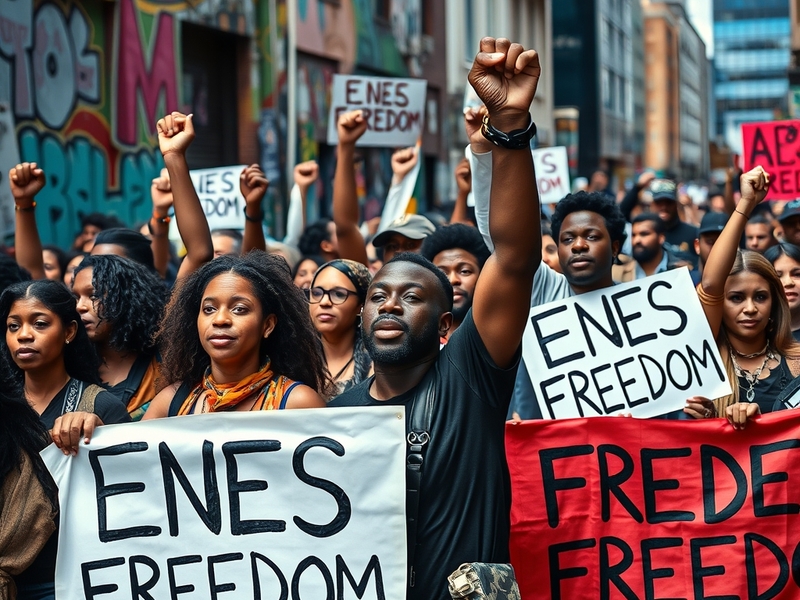
Understanding Enes Freedom: A Journey Beyond Basketball
Enes Freedom, formerly known as Enes Kanter, has emerged as a significant figure both on and off the basketball court. His transition from a professional athlete to a vocal advocate for human rights has drawn attention globally. While his basketball career has been marked by impressive statistics and achievements, it is his activism that has defined his recent narrative.
From NBA Stardom to Activism
Freedom’s journey began in Turkey, where he was born and raised. He made a name for himself in the NBA, playing for several teams, including the Utah Jazz and Boston Celtics. However, his outspoken criticism of the Turkish government and its president, Recep Tayyip Erdoğan, led to significant repercussions. Freedom became a target of political persecution, which forced him to seek asylum in the United States.
This shift in his life and career illustrates a broader theme of athletes using their platforms for social justice. In recent years, numerous sports figures have harnessed their fame to advocate for various causes. Freedom’s activism is particularly poignant given the context of human rights violations occurring in Turkey and beyond.
The Impact of Freedom’s Advocacy
Freedom has been an ardent supporter of the Uyghur people, advocating against the Chinese government’s treatment of this ethnic minority. His commitment to human rights extends to various issues, including freedom of speech and political oppression. By using his social media presence and public appearances, he has managed to raise awareness about these critical issues.
Some key aspects of Freedom’s advocacy include:
- Human Rights Awareness: He consistently highlights the struggles faced by oppressed groups.
- Social Media Engagement: Freedom utilizes platforms like Twitter and Instagram to reach a wider audience.
- Public Speaking: He participates in discussions and panels focused on social justice and human rights.
His efforts have not gone unnoticed, as he has received both praise and criticism. While many commend his courage, others question the effectiveness of celebrity activism. Nevertheless, Freedom’s commitment to his cause remains unwavering.
Global Reactions and Cultural Context
The global response to Freedom’s activism varies significantly. In the United States, he is often celebrated as a hero for standing up against tyranny. Many view his actions as a necessary call to action, particularly in a time when authoritarian regimes are increasingly suppressing dissent.
Conversely, in Turkey and other countries with similar political climates, his actions are met with hostility. The Turkish government has denounced him, labeling him a traitor. This dichotomy reflects a larger cultural divide regarding freedom of expression and human rights. In many Western nations, Freedom is seen as a champion, while in his homeland, he is vilified.
Conclusion: A Legacy in the Making
Enes Freedom’s journey is a testament to the power of individual action in the face of oppression. His transition from a basketball player to a human rights advocate illustrates a profound personal evolution. As he continues to speak out against injustices, he serves as an inspiration for many, especially young athletes considering how they can leverage their platforms for good.
In a world where the lines between sports and activism are increasingly blurred, Freedom stands out. His story encourages others to reflect on the role of athletes in societal issues and the potential influence they can wield. The legacy he is building, rooted in courage and conviction, may very well inspire future generations to advocate for justice in their own ways.
For more insights on sports and activism, check out our Sports section.