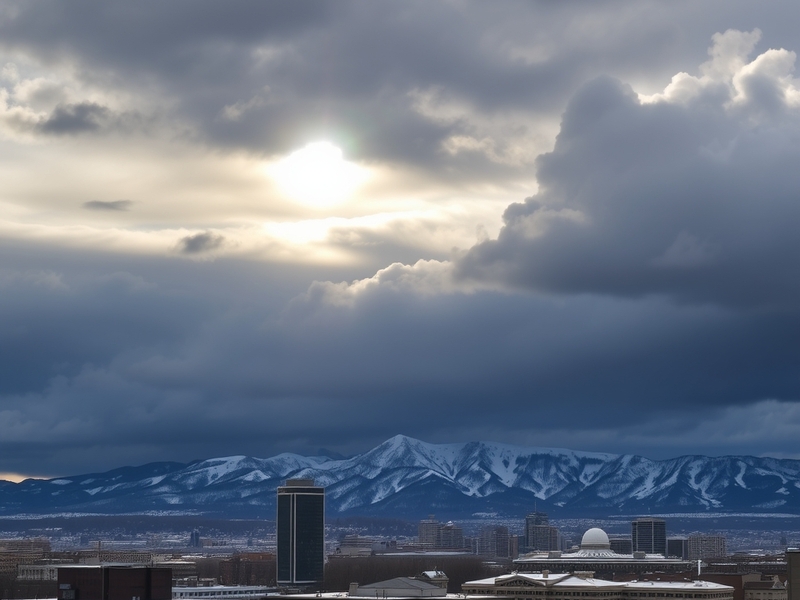
Understanding Salt Lake City Weather Patterns
Salt Lake City, located in the heart of Utah, experiences a unique climate characterized by its distinct four seasons. The city sits at an elevation of about 4,200 feet, which influences its weather patterns significantly. This elevation contributes to a semi-arid climate, with cold winters and hot summers. Understanding the nuances of Salt Lake City’s weather can help residents and visitors prepare for various activities throughout the year.
Seasonal Overview
The weather in Salt Lake City varies greatly with the seasons. Here’s a brief overview:
- Winter (December – February): Winters are cold, with average temperatures ranging from 20°F to 40°F. Snow is common, particularly in the nearby mountains, making it a popular destination for skiing and snowboarding.
- Spring (March – May): Spring brings milder temperatures, ranging from 40°F to 70°F. However, it can be unpredictable, with occasional snowstorms mixed with sunny days.
- Summer (June – August): Summers are hot and dry, with temperatures often exceeding 90°F. This is the best time for outdoor activities, including hiking, biking, and exploring the Great Salt Lake.
- Fall (September – November): Fall sees a gradual cooling, with temperatures ranging from 30°F to 70°F. The changing leaves offer stunning views, particularly in the nearby canyons.
Impact of Geography on Weather
The geographical features surrounding Salt Lake City play a crucial role in its weather. The Wasatch Range to the east creates a barrier that affects precipitation patterns. As moisture-laden winds move in from the west, they rise over the mountains, cooling and condensing to produce rain or snow. This phenomenon results in a rain shadow effect, leading to drier conditions on the western side of the range.
Additionally, the Great Salt Lake contributes to localized weather patterns. It can moderate temperatures but also create unique weather events such as lake-effect snow, which can lead to heavier snowfall in the valley during winter storms. Understanding these geographical influences is essential for anticipating weather changes.
Preparing for Salt Lake City Weather
Whether you’re a resident or a visitor, being prepared for Salt Lake City’s weather is crucial. Here are some tips to help you adapt to the changing conditions:
- Check the Forecast: Always stay updated with reliable weather forecasts. Websites and apps provide real-time information that can be invaluable.
- Dress in Layers: Given the temperature fluctuations, especially in spring and fall, layering your clothing can help you adjust to changing temperatures throughout the day.
- Plan Outdoor Activities Wisely: During summer, aim for morning or late afternoon outings to avoid the heat. In winter, check snow conditions before heading to ski resorts.
- Stay Hydrated: The dry climate can lead to dehydration, especially during the summer months. Always carry water, particularly when hiking or engaging in outdoor activities.
In conclusion, Salt Lake City’s weather is defined by its distinct seasons and geographical features. Understanding these elements can enhance your experience, whether you are enjoying the winter sports, spring blooms, summer hikes, or fall foliage. With proper preparation and awareness, you can fully embrace all that this vibrant city has to offer throughout the year. For more insights on travel and local activities, be sure to check out our Travel and Culture categories.