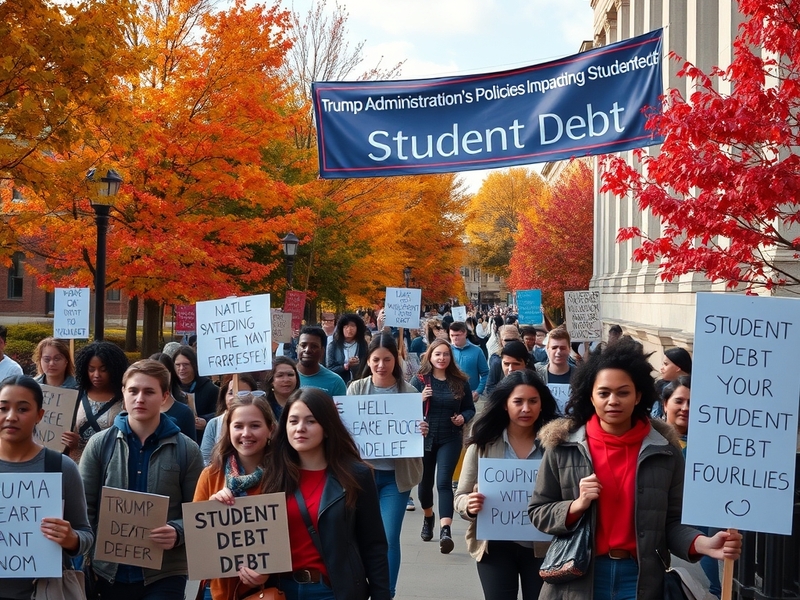
Overview of the Trump Administration’s Student Debt Collection Policies
The Trump administration’s approach to student debt collection significantly altered the landscape for borrowers. This period saw a mix of aggressive collection tactics alongside efforts to reform how student loans are managed. Understanding these changes is crucial for grasping the current state of student debt in America.
Key Changes in Student Debt Collection Practices
Under the Trump administration, several notable policies were implemented that directly impacted student debt collection. These changes included:
- Increased Focus on Collections: The administration prioritized aggressive collection efforts, often employing private debt collectors.
- Legal Challenges: Numerous lawsuits emerged during this time, challenging the legality of certain collection practices.
- Borrower Protections: There were attempts to roll back protections established under previous administrations, which aimed to assist struggling borrowers.
- Forbearance and Repayment Plans: The administration expanded options for borrowers but also complicated the repayment landscape.
Impact on Borrowers
The implications of these policies on borrowers were profound. Many individuals found themselves facing increased pressure from collectors, often lacking the necessary support to navigate their debt. The focus on aggressive collection tactics led to heightened stress and financial strain for countless students and graduates.
Moreover, the legal challenges surrounding these practices meant that borrowers often had to fight for their rights. This situation created a fragmented system where individuals were unsure of their protections and options. As a result, many borrowers remained in the dark about how to manage their debt effectively.
Broader Implications for Student Debt Policy
The Trump administration’s approach to student debt collection has broader implications for the future of education financing. The shift towards aggressive collection methods raises critical questions about the ethics of student loan servicing and the responsibilities of lenders.
As the national conversation around student debt continues to evolve, several key considerations emerge:
- Policy Reforms: Future administrations may feel compelled to reform student debt policy to protect borrowers better.
- Public Sentiment: Growing public awareness and dissatisfaction with student debt burdens could lead to significant political pressure for change.
- Financial Education: There is an increasing need for financial literacy programs to help borrowers understand their options and rights.
Conclusion
The Trump administration’s student debt collection policies have left a lasting impact on borrowers and the overall student loan landscape. As we move forward, it is essential to consider how these practices shape future policies and borrower experiences. Increased advocacy for borrower protections and clearer communication from lenders will be crucial in addressing the ongoing challenges faced by millions of Americans burdened by student debt.