Introduction to the Reticulated Python
The reticulated python (Malayopython reticulatus) is one of the largest snake species in the world, often recognized for its striking patterns and impressive size. Native to Southeast Asia, these serpents can reach lengths of over 20 feet, making them a subject of fascination for both wildlife enthusiasts and researchers. Their unique characteristics and behaviors make them a significant species in the study of reptiles.
Physical Characteristics
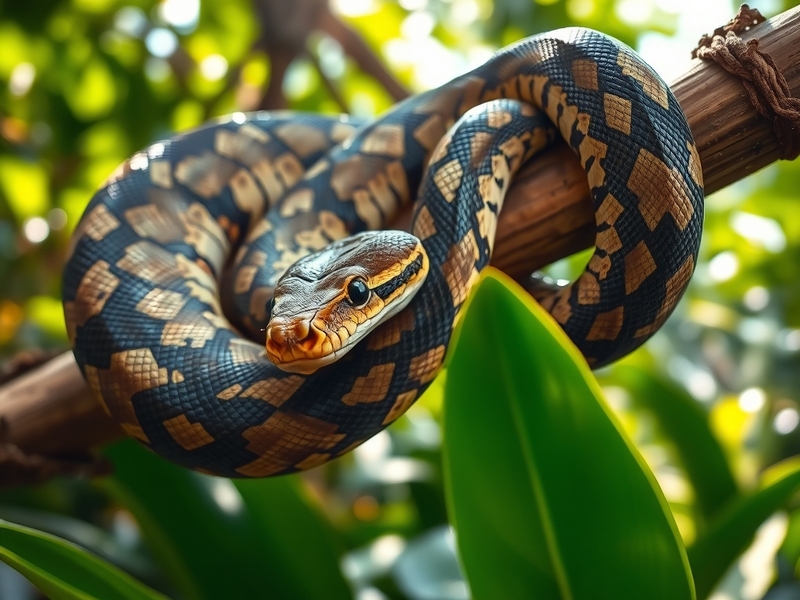
Reticulated pythons are known for their distinctive color patterns, which consist of a series of intricate geometric shapes. The base color is usually a yellow or cream, adorned with dark brown or black markings. This coloration serves not only as camouflage in their natural habitats but also plays a role in their social interactions.
In terms of size, reticulated pythons are among the longest snakes globally. Some recorded specimens have exceeded 25 feet in length. Adult pythons typically weigh between 100 to 200 pounds, depending on their age and diet. Their robust bodies are equipped with powerful muscles, allowing them to constrict and subdue their prey effectively.
Habitat and Distribution
These snakes inhabit a variety of environments, including rainforests, grasslands, and wetlands. Their geographical range extends across several countries, including:
- Indonesia
- Malaysia
- Thailand
- Philippines
- Myanmar
Reticulated pythons are often found near water bodies, such as rivers and swamps, where they hunt for prey. Their ability to swim proficiently allows them to traverse aquatic environments, making them versatile hunters.
Behavior and Diet
Reticulated pythons are primarily nocturnal, which means they are most active during the night. They are ambush predators, relying on their excellent camouflage to blend into their surroundings while waiting for unsuspecting prey to pass by. Their diet mainly consists of:
- Rodents
- Birds
- Small to medium-sized mammals
- Occasionally, larger animals such as deer or pigs
Once they catch their prey, reticulated pythons use their constriction method to suffocate it before swallowing it whole. This feeding strategy allows them to consume prey that is significantly larger than their head.
Conservation Status and Human Interaction
The conservation status of the reticulated python is currently listed as Least Concern by the International Union for Conservation of Nature (IUCN). However, habitat loss and hunting pose significant threats to their populations. In some regions, they are hunted for their skin, which is highly valued in the fashion industry.
While these snakes can be dangerous due to their size and strength, they are often misunderstood. Many people fear them, leading to unnecessary killings. Education about their ecological role and behavior can help mitigate these fears. For more insights on different snake species, check out our animals category.
Conclusion
The reticulated python is a remarkable species that showcases the diversity and complexity of the reptile world. From their impressive physical attributes to their fascinating behaviors, these snakes play a crucial role in their ecosystems. Understanding and respecting their place in nature can help ensure their survival for generations to come. For related articles, visit our reptiles category.