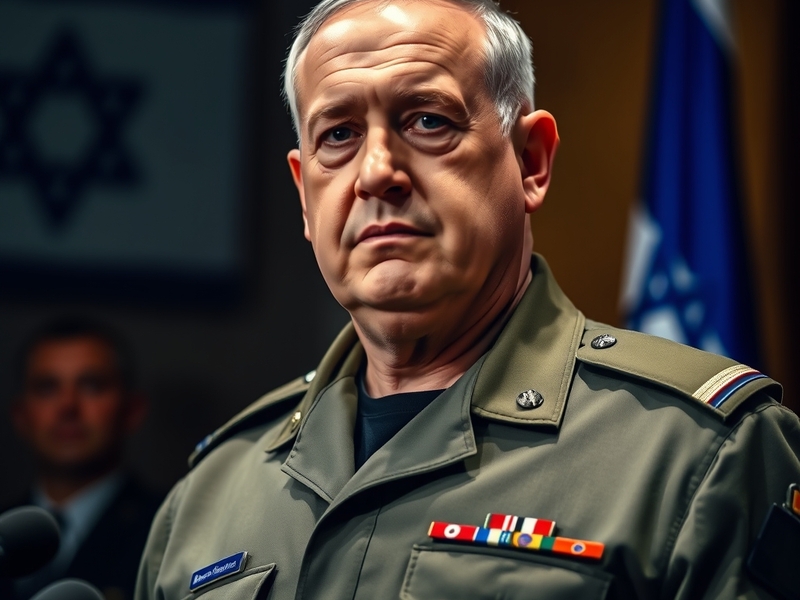
Understanding Gadi Eisenkot: A Military Leader’s Legacy
Gadi Eisenkot, a prominent figure in the Israeli Defense Forces (IDF), has had a significant impact on the military landscape in Israel and beyond. Serving as the Chief of General Staff from 2015 to 2019, Eisenkot’s tenure was marked by strategic military operations and a focus on modernizing Israel’s defense capabilities. His leadership style and decisions have left a lasting imprint on Israel’s military doctrine.
Background and Military Career
Born in 1960 in the Israeli city of Haifa, Eisenkot’s military career began when he enlisted in the IDF in 1978. Over the years, he climbed the ranks through various key positions, showcasing his tactical acumen and leadership skills. His experience includes:
- Serving as a commander in the elite Golani Brigade
- Leading the Northern Command
- Overseeing operations during the 2014 Gaza conflict
- Focusing on intelligence and cyber warfare advancements
These roles prepared him for his appointment as Chief of General Staff, where he advocated for a more versatile and technologically advanced military force. Eisenkot’s approach emphasized not only traditional combat readiness but also the importance of intelligence and strategic innovation.
Strategic Innovations Under Eisenkot
During his leadership, Eisenkot implemented several strategic innovations that reshaped the IDF’s operational capabilities. One of his key initiatives was the “Gideon Plan,” aimed at restructuring the army to adapt to new threats and challenges. This plan involved reallocating resources and enhancing training programs, focusing on:
- Improving joint operations among different military branches
- Investing in advanced technologies, including drones and cyber capabilities
- Strengthening alliances with international military partners
- Enhancing the IDF’s intelligence-gathering capabilities
These changes were not merely tactical; they represented a shift in how the IDF viewed warfare in the 21st century. Eisenkot’s emphasis on intelligence and technology allowed Israel to maintain a strategic edge over adversaries, particularly in an ever-evolving conflict landscape.
Broader Implications of Eisenkot’s Leadership
The implications of Gadi Eisenkot’s leadership extend beyond military operations. His tenure coincided with significant geopolitical developments in the Middle East, including shifting alliances and emerging threats. Eisenkot’s strategies were designed not only to address immediate security concerns but also to position Israel as a key player in regional stability.
Furthermore, Eisenkot’s focus on intelligence and technology has broader implications for how nations approach defense in the modern era. As conflicts increasingly involve cyber warfare and asymmetric tactics, his approach serves as a model for other nations seeking to adapt. The IDF’s success under his command demonstrates the importance of innovation and adaptability in military strategy.
In conclusion, Gadi Eisenkot’s legacy as a military leader is characterized by strategic foresight and a commitment to modernization. His initiatives have not only shaped the IDF but also provided insights into the future of military operations. As nations around the globe confront similar challenges, the lessons learned from Eisenkot’s tenure will likely resonate well beyond Israel’s borders.