The Madrid Train System: A Model of Efficiency and Culture
The Madrid train system, known as Renfe, stands out as one of the most efficient transportation networks in Europe. Connecting the Spanish capital to various regions, it plays a vital role in the daily lives of commuters and tourists alike. The network not only facilitates travel but also reflects the cultural tapestry of Spain, showcasing its history, architecture, and modern advancements.
Overview of the Madrid Train Network
Renfe operates multiple train services, including high-speed trains, suburban trains, and regional connections. Each service offers unique benefits, making it easier for passengers to navigate the city and beyond.
- High-Speed Trains (AVE): These trains connect Madrid with major cities like Barcelona, Seville, and Valencia, reducing travel time significantly.
- Suburban Trains (Cercanías): Ideal for locals, these trains cover the metropolitan area, making it convenient to reach surrounding towns.
- Regional Trains: These services connect smaller cities and towns to Madrid, fostering economic growth and tourism.
The integration of these services not only enhances mobility but also promotes sustainable travel. With a strong emphasis on reducing carbon footprints, Madrid’s train system is a crucial player in Spain’s efforts to combat climate change.
Cultural Significance of the Train Experience
Traveling by train in Madrid is not merely a means of transportation; it is an opportunity to experience the rich cultural heritage of Spain. Each journey offers glimpses into the regions visited, from the architecture of train stations to the local cuisine available at train stops.
For instance, the Atocha Station, one of the most iconic in Madrid, features a tropical garden and a stunning glass roof, symbolizing the blend of history and modernity. Visitors can enjoy a variety of dining options, including traditional Spanish tapas, making the station a destination in itself.
Challenges and Future Developments
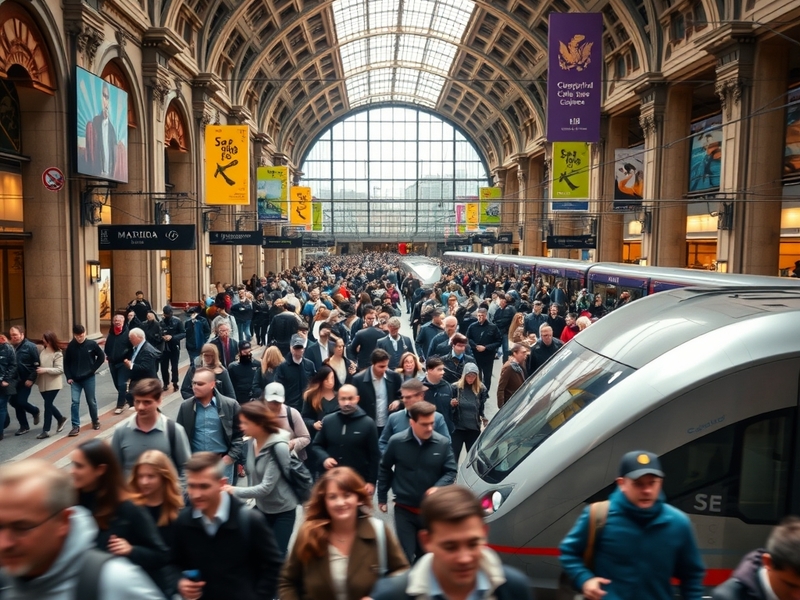
Despite its strengths, the Madrid train system faces challenges. Overcrowding during peak hours is a common issue, particularly in suburban trains. As the population grows, the demand for efficient and reliable transportation continues to rise.
Renfe is addressing these challenges through several initiatives:
- Expansion of Services: Plans to introduce more trains and increase frequency during rush hours aim to alleviate congestion.
- Technological Upgrades: Implementing advanced ticketing systems and real-time tracking ensures a smoother travel experience.
- Infrastructure Improvements: Upgrading existing tracks and stations enhances safety and efficiency.
These developments not only aim to improve the user experience but also to position Madrid as a leader in sustainable urban transportation.
Conclusion
The Madrid train system exemplifies how transportation can serve as a bridge between urban life and cultural identity. With its efficient services, cultural significance, and ongoing improvements, it stands as a model for other cities worldwide. As Madrid continues to evolve, its train network plays a pivotal role in shaping the future of mobility and sustainability. Travelers and locals alike can look forward to a more connected and culturally rich experience.