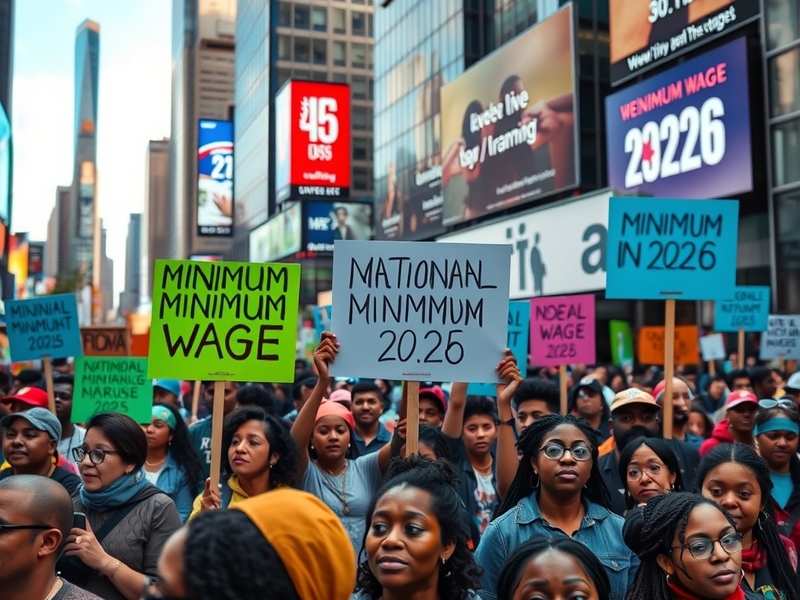
The Evolution of Minimum Wage Policies Worldwide
The concept of a national minimum wage has evolved significantly over the years. While some countries have embraced this economic tool to combat poverty and promote fair labor practices, others remain hesitant. As we look ahead to 2026, understanding the global landscape of minimum wage policies reveals a complex interplay of economic, social, and political factors.
Current Trends in Minimum Wage Legislation
As of 2023, many nations have established or are in the process of establishing minimum wage laws. These laws vary widely in terms of their structure, implementation, and impact on the workforce. Here are some notable trends:
- Increased Rates: Many countries are raising their minimum wage rates in response to inflation and the rising cost of living.
- Regional Variations: Some nations allow regional governments to set their minimum wage, leading to significant disparities in wage levels.
- Focus on Living Wage: There’s a growing movement advocating for wages that reflect living costs rather than simply a minimum threshold.
- Indexing Wages: Some governments are linking minimum wage increases to inflation rates to ensure wages keep pace with the economic environment.
The Impacts of Minimum Wage Increases
Raising the minimum wage can have profound effects on both workers and businesses. Economists often debate the pros and cons of such policies. Here are some key considerations:
- Increased Income for Workers: Higher minimum wages can lift many out of poverty, allowing for improved living standards.
- Potential Job Losses: Some argue that significant increases may lead employers to reduce their workforce or automate jobs.
- Consumer Spending: When workers earn more, their increased spending can stimulate the economy, benefiting businesses.
- Inflationary Pressure: Higher wages can lead to increased costs for businesses, which may be passed on to consumers through price hikes.
Global Perspectives on Minimum Wage Policies
Different countries approach minimum wage legislation based on their unique economic conditions and cultural contexts. For example, in Scandinavian countries, robust social safety nets and collective bargaining have led to higher wages without significant unemployment. Conversely, in some developing nations, the absence of a minimum wage can result in exploitative labor practices.
In the United States, the debate surrounding the federal minimum wage continues. As of 2023, it stands at $7.25 per hour, a rate many argue is insufficient for a decent standard of living. Various states have enacted their own higher minimum wages, reflecting local economic conditions.
In contrast, countries like Australia have implemented a national minimum wage that aims to ensure a fair standard of living for all workers. This model showcases how a strong regulatory framework can support both workers and businesses effectively.
As we approach 2026, it is essential to consider how these policies will adapt to future economic challenges. The ongoing evaluation of minimum wage impacts will likely shape discussions in many countries, influencing legislative changes and public opinion.
Conclusion
The national minimum wage remains a critical issue in labor economics and social justice. With varying approaches worldwide, the conversation around minimum wage policies is expected to evolve. As nations prepare for 2026, understanding the implications of these policies will be crucial for policymakers, businesses, and workers alike. Engaging with these discussions, whether through local advocacy or global forums, will help shape fair labor practices for the future.
For more insights into economic trends and their implications, visit our Business section on Dave’s Locker.