Understanding the Rise of DoorDash and Instacart
In recent years, the on-demand delivery market has witnessed significant growth, with companies like DoorDash and Instacart leading the charge. Both platforms offer unique services that cater to the evolving needs of consumers. DoorDash focuses primarily on food delivery, while Instacart specializes in grocery shopping. This article explores the nuances of each service, their implications for the food and retail industries, and how they are reshaping consumer behavior.
Service Offerings and User Experience
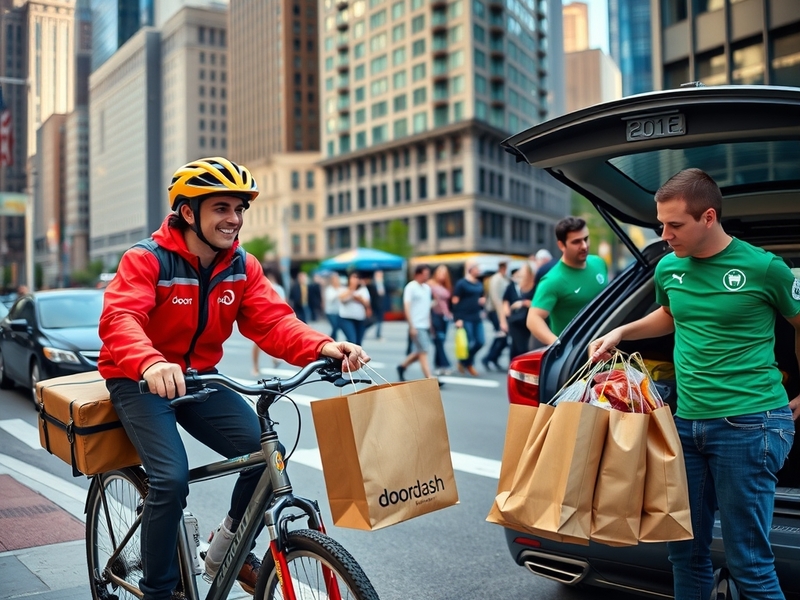
DoorDash provides a straightforward food delivery service that connects customers with local restaurants. Users can browse menus, place orders, and track their deliveries in real-time. The app’s user-friendly interface enhances the overall experience, making it easy to discover new dining options.
On the other hand, Instacart operates as a personal grocery shopper. Customers can select items from their favorite grocery stores, and Instacart shoppers will pick and pack these items for delivery. This service has become particularly popular among consumers seeking convenience and time savings.
Here’s a quick comparison of the two services:
- Delivery Focus: DoorDash is centered on food, while Instacart focuses on groceries.
- Shopping Experience: DoorDash allows for direct restaurant interaction; Instacart provides a curated grocery shopping experience.
- Delivery Speed: Both services offer same-day delivery, but DoorDash typically delivers food within minutes.
Impact on Traditional Retail and Dining
The emergence of these platforms has significant implications for traditional retail and dining establishments. Restaurants have had to adapt to the rise of food delivery services, often relying on platforms like DoorDash to reach a broader audience. This has led to a shift in how restaurants operate, with many now focusing on takeout and delivery options to sustain their business.
In the grocery sector, Instacart has transformed the shopping experience. Many consumers now prefer the convenience of online grocery shopping, leading to changes in store layouts and inventory management. Traditional grocery stores are increasingly integrating technology to compete with online delivery services, such as offering in-store pickup and enhanced app functionalities.
Consumer Behavior and Future Trends
The convenience offered by DoorDash and Instacart has altered consumer behavior significantly. As people become accustomed to quick and easy delivery options, expectations for service speed and quality have risen. This shift has profound implications for how businesses operate and interact with their customers.
Looking ahead, several trends are likely to shape the future of on-demand delivery:
- Increased Competition: As more players enter the market, companies will need to differentiate themselves through better pricing and enhanced customer service.
- Integration of Technology: The use of artificial intelligence and machine learning will improve logistics, making delivery more efficient.
- Focus on Sustainability: Consumers are becoming more environmentally conscious, prompting companies to adopt eco-friendly practices.
Both DoorDash and Instacart are likely to expand their services further, potentially incorporating meal prep kits or partnerships with local farmers to enhance their offerings. As they evolve, their impact on consumer habits will undoubtedly grow.
Conclusion
DoorDash and Instacart have not only changed how we access food and groceries but have also influenced broader trends in retail and dining. The convenience they offer is appealing, but it comes with challenges for traditional businesses that must adapt to a rapidly changing landscape. Understanding these dynamics is crucial for anyone looking to navigate the future of consumption.
For more insights into the evolving world of delivery services, check out our Food section or explore the latest in Trending topics.