Understanding Panic Buying: A Behavioral Response
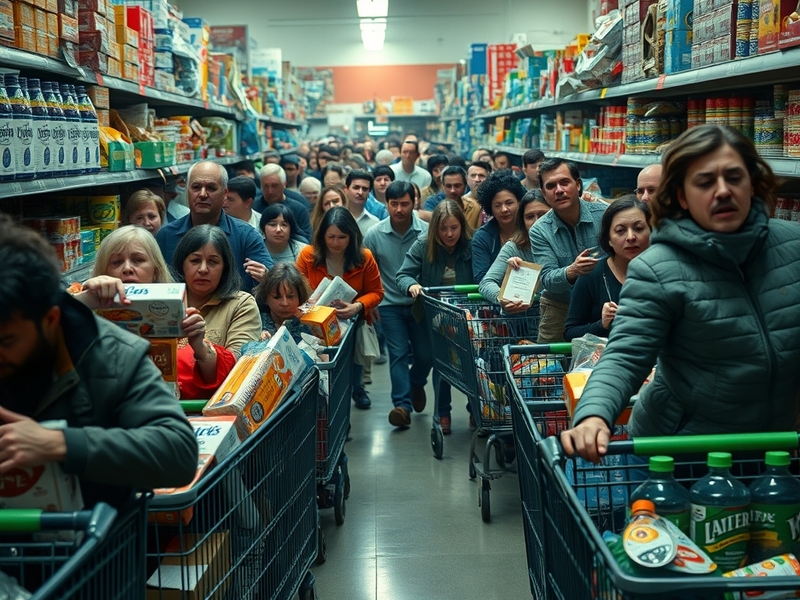
Panic buying refers to the phenomenon where consumers rush to purchase large quantities of goods, often in response to perceived shortages or crises. This behavior can be triggered by various factors, including natural disasters, economic instability, or health emergencies. The COVID-19 pandemic, for instance, saw a dramatic rise in panic buying, as consumers flocked to stores to stock up on essentials.
This reaction is not merely a reflection of individual behavior but rather a complex interplay of psychological and social factors. Fear of scarcity can lead people to act irrationally, overriding their usual purchasing habits. Understanding the underlying motivations can provide insight into this widespread behavior.
Psychological Factors Behind Panic Buying
Several psychological elements contribute to panic buying. Key factors include:
- Fear and Anxiety: Uncertainty about the future can lead to heightened anxiety, prompting individuals to secure resources.
- Social Influence: Observing others buying excessively can create a bandwagon effect, where individuals feel compelled to follow suit.
- Loss Aversion: The fear of missing out on essential items can drive consumers to purchase more than they need.
These factors can create a cycle of behavior that becomes self-reinforcing. As more people engage in panic buying, the perception of scarcity increases, leading to even more buying. This cycle can have significant ramifications for supply chains and local economies.
Impact on Supply Chains and Retailers
Panic buying can severely disrupt supply chains. Retailers often struggle to keep shelves stocked during such periods, leading to empty aisles and frustrated customers. The sudden surge in demand can outpace the ability of suppliers to deliver goods, resulting in shortages of essential items such as food, cleaning supplies, and personal care products.
Moreover, retailers may need to implement measures to manage inventory and prevent hoarding. Some strategies include:
- Establishing purchase limits on high-demand items.
- Enhancing communication with suppliers to forecast demand more accurately.
- Implementing customer education campaigns to discourage panic buying.
These tactics can help stabilize the situation, but they require careful management and coordination among various stakeholders.
Long-Term Consequences of Panic Buying
The long-term implications of panic buying extend beyond immediate shortages. Retailers may experience shifts in consumer behavior, as some individuals may continue to stockpile goods even after the crisis has passed. This can lead to altered purchasing patterns and a potential decrease in sales for certain products.
Additionally, panic buying can exacerbate inequalities within communities. Vulnerable populations may struggle to access essential items during shortages, leading to disparities in food security and overall well-being. Addressing these issues requires a multi-faceted approach that includes community support and effective policy measures.
In conclusion, panic buying is a complex behavior driven by psychological factors and social influences. Its impact on supply chains and retailers can be profound, leading to immediate shortages and long-term changes in consumer behavior. Understanding the motivations behind this phenomenon can help in developing strategies to mitigate its effects in future crises. For more insights on consumer behavior and economic trends, visit our Business and News sections.