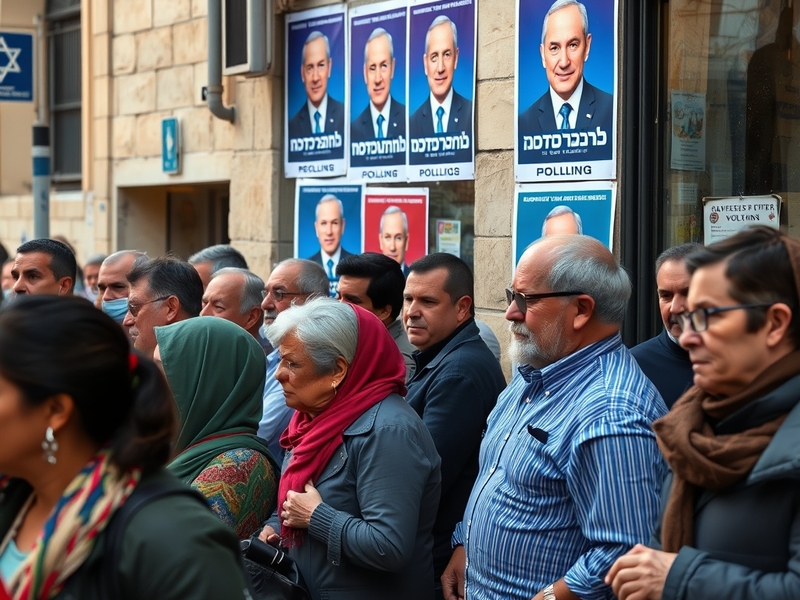
Overview of Israel’s Political Landscape
The political scene in Israel has undergone significant transformations in recent years, with Prime Minister Benjamin Netanyahu at the center of the turmoil. His leadership has been characterized by a series of elections, controversies, and shifting alliances. As Israel prepares for its upcoming elections, the implications of Netanyahu’s policies and strategies are more critical than ever.
Netanyahu’s Tenure and Political Strategy
Benjamin Netanyahu, leader of the Likud party, has served multiple terms as Prime Minister, making him one of the longest-serving leaders in Israel’s history. His tenure has been marked by a focus on security, economic growth, and a strong stance against Iran and other perceived threats. However, his leadership style has also drawn criticism for fostering division within Israeli society.
Netanyahu’s strategy often involves leveraging his experience and connections to maintain power. He has demonstrated a knack for forming coalitions, even when his party does not secure a majority. His ability to appeal to right-wing voters and religious factions has allowed him to remain relevant in a changing political environment.
As the elections approach, Netanyahu’s campaign is expected to emphasize the following key points:
- Security concerns regarding regional adversaries
- Economic stability and growth
- Maintaining strong ties with the United States
- Continued settlement expansion in contested areas
The Role of Opposition Parties
Opposition parties in Israel have struggled to unite against Netanyahu’s Likud party. Various factions, including the Yesh Atid and Labor parties, have attempted to coordinate efforts, but ideological differences often hinder their effectiveness. The rise of new political movements, such as the Ra’am party, has added complexity to the electoral landscape.
Key opposition figures, such as Yair Lapid and Merav Michaeli, have criticized Netanyahu’s governance, focusing on issues such as corruption and social inequality. They argue that a change in leadership is essential for addressing the pressing challenges facing Israeli society.
Impact of Recent Events on the Elections
Recent events, including ongoing tensions in Gaza and judicial reforms proposed by Netanyahu’s government, have significantly influenced public sentiment. The proposed reforms, aimed at limiting the power of the judiciary, have sparked widespread protests and concerns about democracy in Israel. Many citizens view these moves as an attempt to consolidate power and undermine judicial independence.
The conflict with Gaza has also shaped voter priorities. Many Israelis prioritize security, especially in light of recent escalations. This situation has led some to rally around Netanyahu, viewing him as a strong leader capable of handling such crises.
As the elections draw near, the following factors could play a pivotal role in determining the outcome:
- Public perception of Netanyahu’s handling of security issues
- Voter turnout among various demographics
- Coalition-building efforts among opposition parties
- Impact of protests and public dissent on voter sentiment
Conclusion: The Future of Israeli Politics
The upcoming elections in Israel represent a critical juncture for the country’s political future. Netanyahu’s ability to navigate challenges and maintain his leadership will be tested as various factions vie for power. The dynamics between the ruling party and opposition will likely shape the policies and direction of the nation for years to come.
As citizens prepare to cast their votes, the stakes are high. The outcome will not only affect Netanyahu’s political career but also the broader implications for Israel’s democracy and society.