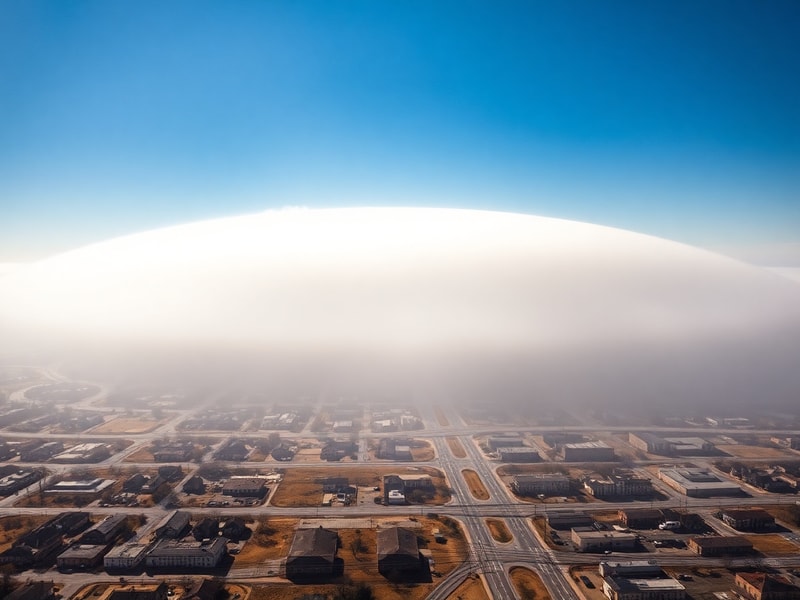
Understanding the Heat Dome: A Scorching Weather Phenomenon
When temperatures soar to extreme levels, meteorologists often point to a weather pattern known as a heat dome. This phenomenon occurs when a large area of high pressure traps hot air over a region for days or even weeks. Unlike typical summer heatwaves, which may bring temporary spikes in temperature, a heat dome creates a stagnant, suffocating environment that can push heat indices well beyond what humans—and ecosystems—can safely endure.
The mechanics behind a heat dome are rooted in atmospheric physics. High-pressure systems act like a lid on a pot, preventing hot air from rising and dispersing. Instead, the air sinks, compresses, and warms further, intensifying the heat. This trapped air mass can stretch across hundreds of miles, affecting millions of people at once. The result is a relentless stretch of record-breaking temperatures that strain power grids, worsen air quality, and pose serious health risks.
How a Heat Dome Forms and Why It Persists
A heat dome typically develops when a high-pressure ridge becomes stationary over a continent or large landmass. This often happens during the summer when the jet stream weakens and meanders, allowing ridges of high pressure to linger in place. The longer the system remains stationary, the more severe the heat becomes. In some cases, heat domes can persist for weeks, especially in regions far from cooling ocean breezes.
One of the most notorious examples occurred in the Pacific Northwest in June 2021. A heat dome settled over Oregon, Washington, and British Columbia, shattering all-time temperature records. Portland hit 116°F (47°C), while Seattle reached 108°F (42°C). The event was so extreme that it caused hundreds of heat-related deaths and triggered widespread wildfires. Scientists later confirmed that climate change had made such an event at least 150 times more likely.
Heat domes are not just random weather events. They are influenced by broader atmospheric patterns, including La Niña and the positioning of the jet stream. When the jet stream dips south in one area, it can force a high-pressure ridge to bulge northward elsewhere—creating the perfect conditions for a heat dome to form.
Key Characteristics of a Heat Dome
To recognize a heat dome, watch for these defining traits:
- Persistent high pressure: The system remains in place for several days or longer, with little movement.
- Extreme daytime temperatures: Often 10 to 20 degrees above normal for the season.
- Minimal nighttime relief: Temperatures may not drop significantly overnight, preventing recovery from heat stress.
- Stagnant air quality: Pollutants and ozone levels rise as air circulation slows to a crawl.
- Widespread impact: Affects large geographic areas, including urban centers and rural communities alike.
These characteristics make heat domes particularly dangerous. Unlike a brief heatwave, which may last a day or two, a heat dome’s prolonged exposure increases the risk of heat exhaustion, heatstroke, and even death—especially among vulnerable populations such as the elderly, children, and those with preexisting health conditions.
The Broader Impact: Health, Environment, and Society
The consequences of a heat dome extend far beyond discomfort. Public health systems face immense pressure as hospitals see a surge in heat-related illnesses. Emergency rooms report spikes in cases of dehydration, kidney failure, and cardiovascular distress. In 2003, a heat dome over Europe led to an estimated 70,000 excess deaths, highlighting the deadly potential of prolonged extreme heat.
Infrastructure also suffers. Power grids can become overloaded as air conditioners run nonstop, leading to blackouts. Roads may buckle under the heat, and rail lines can warp, disrupting transportation. Agriculture takes a hit too—crops wilt, livestock become stressed, and dairy production drops when cows struggle to regulate their body temperature.
Environmentally, heat domes accelerate drought conditions and increase the risk of wildfires. Dry vegetation becomes tinder, and a single spark can ignite a catastrophic blaze. In 2021, the Lytton Creek wildfire in British Columbia burned over 33,000 acres after a heat dome created the perfect fire conditions. The fire destroyed the town of Lytton, which had just set Canada’s all-time temperature record days earlier.
As global temperatures rise due to climate change, heat domes are expected to become more frequent, intense, and long-lasting. According to the Intergovernmental Panel on Climate Change (IPCC), every additional degree of global warming increases the likelihood of extreme heat events. This means that what was once considered a rare weather phenomenon could become a regular summer occurrence in many parts of the world.
Can We Predict or Prevent Heat Domes?
While we cannot yet stop a heat dome from forming, advances in meteorology allow us to predict them with increasing accuracy. Forecasters use computer models that simulate atmospheric conditions days in advance. These models help governments and emergency services issue timely warnings, giving communities a chance to prepare.
Prevention, however, is more complex. Reducing greenhouse gas emissions remains the most effective long-term strategy to mitigate the frequency and severity of heat domes. Cities can also adapt by expanding green spaces, increasing shade coverage, and designing buildings with better heat resistance. Cooling centers, public hydration campaigns, and early warning systems can save lives during extreme heat events.
Yet adaptation has its limits. As temperatures continue to climb, societies must grapple with difficult questions about equity and access. Not everyone can afford air conditioning. Not every neighborhood has tree-lined streets. The burden of extreme heat disproportionately falls on low-income communities and marginalized groups, exacerbating existing inequalities.
Looking Ahead: The Future of Heat Domes
The story of the heat dome is not just about weather—it’s about the intersection of climate, health, and social justice. As these events become more common, they will challenge how we plan our cities, manage our resources, and protect our most vulnerable neighbors. The 2021 Pacific Northwest heat dome served as a wake-up call, proving that even regions unaccustomed to extreme heat are not immune.
Moving forward, collaboration between scientists, policymakers, and communities will be essential. We must invest in climate resilience, prioritize public health, and rethink urban design. Heat domes are not going away. But with proactive measures, we can reduce their impact and build a safer, cooler future.
For those interested in tracking weather patterns and climate trends, Dave’s Locker Science section offers in-depth analysis and expert commentary. To stay updated on extreme weather events and their broader implications, visit Dave’s Locker News for real-time reporting and insights.