Who is Peter Murrell and Why His Role Matters
Peter Murrell’s name has become closely associated with Scotland’s political landscape, particularly in recent years. As the husband of former First Minister Nicola Sturgeon, he has often operated behind the scenes, but his professional background and public profile have drawn increasing scrutiny. Murrell’s career spans decades in public service, finance, and organizational leadership—roles that positioned him as a quiet but influential figure in Scottish politics.
Beyond his personal connection to one of the UK’s most prominent political families, Murrell’s work with the Scottish National Party (SNP) and his financial oversight roles have raised questions about transparency, accountability, and the intersection of personal and professional ethics. His resignation from key positions in 2023 marked a turning point, prompting broader discussions about the boundaries between political loyalty and institutional governance.
The Early Years and Professional Foundation
Peter Murrell was born and raised in Scotland, where he developed an early interest in economics and public policy. After completing his education, he entered the financial sector, working in roles that demanded precision and strategic thinking. His career trajectory included positions at major financial institutions, where he honed skills in budgeting, risk assessment, and organizational management.
By the early 2000s, Murrell transitioned into public service, aligning himself with the SNP as the party gained momentum in Scottish politics. His financial acumen made him a natural fit for roles requiring fiscal oversight, particularly within the SNP’s growing infrastructure. Colleagues and political observers have noted his methodical approach, often describing him as detail-oriented and reserved—a contrast to the more public-facing nature of his wife’s career.
The SNP Years: Finance, Loyalty, and Scrutiny
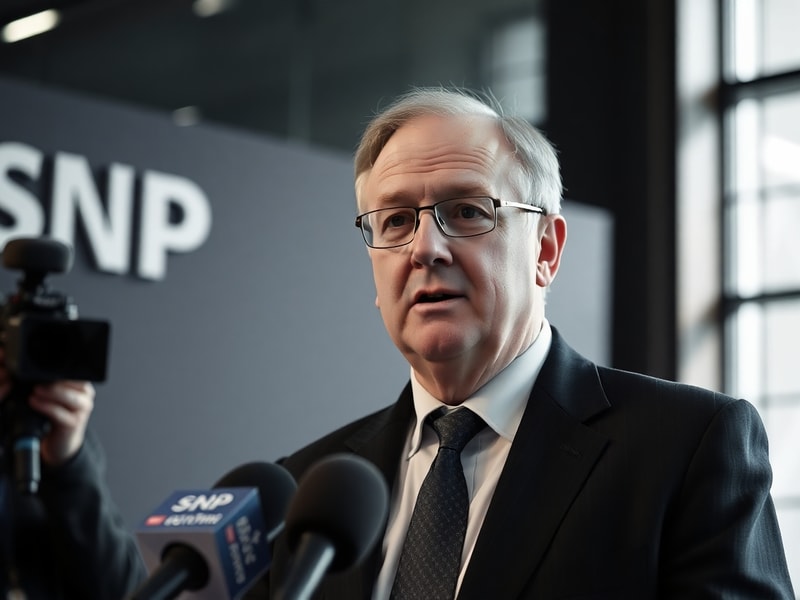
Murrell’s most visible role came as the SNP’s chief executive, a position he held for over a decade. In this capacity, he oversaw the party’s financial operations, ensuring compliance with regulatory standards while managing substantial budgets. The SNP’s rise to power in 2007 and its subsequent dominance in Scottish politics placed Murrell at the heart of one of the UK’s most dynamic political movements.
However, his tenure was not without controversy. Critics have questioned the transparency of the SNP’s finances during his leadership, particularly regarding donations, spending, and reporting practices. In 2021, the party faced scrutiny from electoral authorities over potential breaches of campaign finance laws, leading to fines and reputational damage. Murrell’s role in these matters became a focal point for inquiries, with some calling for greater accountability within the party’s leadership.
Murrell’s personal life also became intertwined with his professional challenges. His marriage to Nicola Sturgeon, who served as First Minister from 2014 to 2024, placed him in a uniquely scrutinized position. While spouses of political leaders often navigate public expectations, Murrell’s direct involvement in SNP operations blurred the lines between personal and professional boundaries. This dynamic fueled debates about conflicts of interest and the need for clearer ethical guidelines in political organizations.
The 2023 Resignation and Fallout
In March 2023, Peter Murrell resigned from his position as SNP chief executive amid mounting pressure over the party’s financial practices. The move followed police investigations into allegations of fraud related to donations and spending, though Murrell was never charged. His resignation marked a significant moment in the SNP’s history, symbolizing the end of an era defined by centralized control and financial oversight under his watch.
The fallout extended beyond his immediate resignation. Nicola Sturgeon’s leadership faced unprecedented challenges, culminating in her own departure from office later that year. While Murrell’s resignation was framed as a step toward addressing institutional issues, it also raised broader questions about the SNP’s governance culture and the pressures of operating at the highest levels of Scottish politics.
In the aftermath, Murrell largely retreated from public view, though his name occasionally resurfaced in media reports. His silence contrasted sharply with the political battles unfolding around him, leaving many to wonder about his future role—or lack thereof—in public life. For now, his legacy remains tied to the SNP’s financial controversies and the delicate balance between loyalty and accountability in political organizations.
Broader Implications: Power, Transparency, and Trust
Peter Murrell’s story is more than a tale of personal and professional upheaval; it reflects deeper issues in modern politics. The intersection of finance, power, and public trust is a fraught space, particularly in movements that position themselves as champions of transparency. The SNP’s struggles under Murrell’s leadership underscore the challenges of maintaining integrity while operating in a hyper-competitive political environment.
One key lesson is the importance of institutional checks and balances. Murrell’s long tenure as SNP chief executive raises questions about the risks of concentrated authority. Without robust oversight mechanisms, even well-intentioned leaders can find themselves entangled in controversies that undermine public confidence. The SNP’s experience serves as a case study for other political parties navigating similar pressures.
Another consideration is the role of personal relationships in professional settings. Murrell’s marriage to Nicola Sturgeon placed him in a position where personal loyalty could be perceived as conflicting with institutional responsibilities. While such dynamics are not uncommon in politics, the lack of clear boundaries can exacerbate perceptions of favoritism or impropriety. Future leaders might benefit from establishing explicit ethical guidelines to prevent similar conflicts.
Finally, the scrutiny faced by Murrell highlights the evolving expectations of political organizations. In an era of heightened transparency and digital activism, even minor lapses in accountability can escalate into full-blown crises. Parties must adapt by prioritizing clear financial practices and proactive communication to maintain trust with their supporters and the public.
Key Takeaways: What Murrell’s Story Reveals
The complexities of Peter Murrell’s career and resignation offer several insights for observers of Scottish and UK politics:
- Financial Oversight Matters: Political parties operate with public funds and donor contributions, making rigorous financial management essential. Murrell’s tenure underscores the need for transparency and accountability in these processes.
- Personal and Professional Boundaries: The blending of personal relationships with professional roles can create conflicts of interest. Clear ethical standards are necessary to mitigate such risks.
- Institutional Culture: A culture of centralized control may lead to vulnerabilities, particularly when leaders operate without sufficient checks. Diverse leadership structures can help prevent abuses of power.
- Public Trust is Fragile: Scandals, even those not directly involving criminal activity, can erode trust in political institutions. Proactive measures to address concerns are critical for maintaining credibility.
- The Cost of Scrutiny: High-profile figures like Murrell face intense public and media scrutiny, which can overshadow their contributions. Balancing accountability with fairness remains a persistent challenge.
Looking Ahead: Murrell’s Legacy and the Future of the SNP
As the SNP continues to evolve in the post-Sturgeon era, Peter Murrell’s legacy serves as both a cautionary tale and a catalyst for reform. His resignation forced the party to confront longstanding issues, prompting calls for greater transparency and structural changes. While the full impact of these reforms remains to be seen, the SNP’s ability to rebuild trust will depend on its willingness to learn from past mistakes.
For Murrell himself, the future remains uncertain. Whether he returns to public life in any capacity or remains on the sidelines is unclear. His story, however, offers a reminder of the complexities inherent in political leadership—where financial stewardship, personal relationships, and institutional integrity often collide.
The broader lesson extends beyond Scotland. In an era where political movements are increasingly scrutinized, the Murrell case highlights the need for vigilance, reform, and a commitment to ethical governance. Only time will tell how the SNP—and other parties—adapt to these challenges, but the stakes could not be higher.