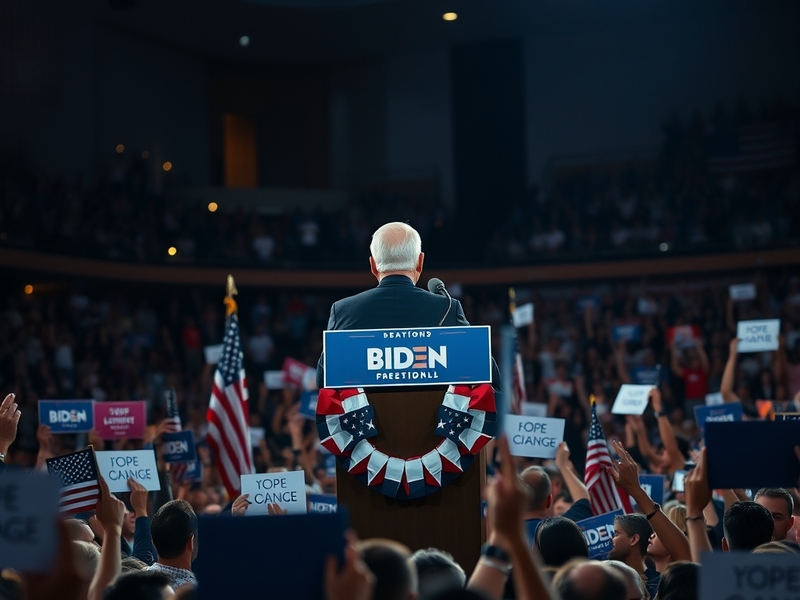
Overview of the 2020 U.S. Presidential Election
The 2020 U.S. presidential election was a pivotal moment in American history, characterized by high voter turnout and intense political polarization. Joe Biden, the Democratic nominee, emerged victorious against the incumbent president, Donald Trump. This election was not only significant for the United States but also had implications worldwide, affecting global politics, economics, and international relations.
Key Moments Leading to the Election
Several events shaped the political landscape leading up to the election. The COVID-19 pandemic was a major factor, influencing both voter sentiment and the logistics of the election itself. As the virus spread, issues surrounding public health and economic stability became central to the candidates’ platforms. Additionally, nationwide protests against racial injustice highlighted social issues that resonated deeply with voters.
Here are some significant moments from the election year:
- The emergence of the pandemic and its impact on public health policies.
- Heightened discussions around racial equality following the death of George Floyd.
- Trump’s handling of the economy and its effects on working-class Americans.
- The role of social media in shaping public opinion and campaign strategies.
Election Results and Voter Turnout
The election, held on November 3, 2020, saw Joe Biden receive over 81 million votes, translating to 51.3% of the popular vote. Donald Trump garnered approximately 74 million votes, or 46.8%. This marked a historic voter turnout, with around 159 million Americans participating, representing 66.7% of the eligible voting population. Such levels of engagement were unprecedented in recent history.
The Electoral College results further solidified Biden’s victory, as he secured 306 electoral votes compared to Trump’s 232. This outcome was significant not only for the Democratic Party but also for the broader political climate in the U.S. and around the globe.
Global Reactions and Implications
The international response to the election results varied widely. Many global leaders expressed relief at Biden’s victory, anticipating a shift in U.S. foreign policy. Issues such as climate change, international trade, and diplomatic relations were expected to undergo changes under the new administration. Countries that had strained relations with the U.S. during Trump’s presidency hoped for a more diplomatic approach.
Key global implications include:
- Climate Policy: Biden’s commitment to rejoining the Paris Agreement signaled a renewed focus on environmental issues.
- International Relations: Allies anticipated a more cooperative approach to foreign policy, particularly with NATO and the European Union.
- Trade Agreements: The Biden administration was expected to reassess tariffs and trade policies established during Trump’s tenure.
Conclusion
The 2020 U.S. presidential election was a defining moment that showcased the resilience of democracy amid unprecedented challenges. Joe Biden’s victory not only altered the political landscape of the United States but also reverberated across the globe. As nations look toward the future, the implications of this election will continue to shape international relations and global policies for years to come.
For more insights into political events, visit our Politics section. Additionally, if you’re interested in how sports intersect with politics, check out our Sports category.