Understanding the Importance of Sustainable Food Practices
Feeding our future hinges on the adoption of sustainable food practices that not only address current needs but also ensure availability for generations to come. As global populations rise and climate change impacts food production, the urgency for a more sustainable approach has never been clearer. Sustainable agriculture focuses on producing food in a way that is environmentally friendly, economically viable, and socially responsible.
Farmers and producers are increasingly recognizing that their methods can significantly impact the planet. By adopting practices such as crop rotation, organic farming, and integrated pest management, they can contribute to a healthier ecosystem. Additionally, these sustainable practices can lead to higher quality produce, which benefits consumers as well.
Innovative Solutions for Food Security
Innovations in technology and farming techniques are pivotal in addressing food security challenges. Solutions such as vertical farming and aquaponics are gaining traction as they maximize space and resources, allowing food to be grown in urban environments. These methods not only reduce transportation emissions but also provide fresh produce directly to consumers.
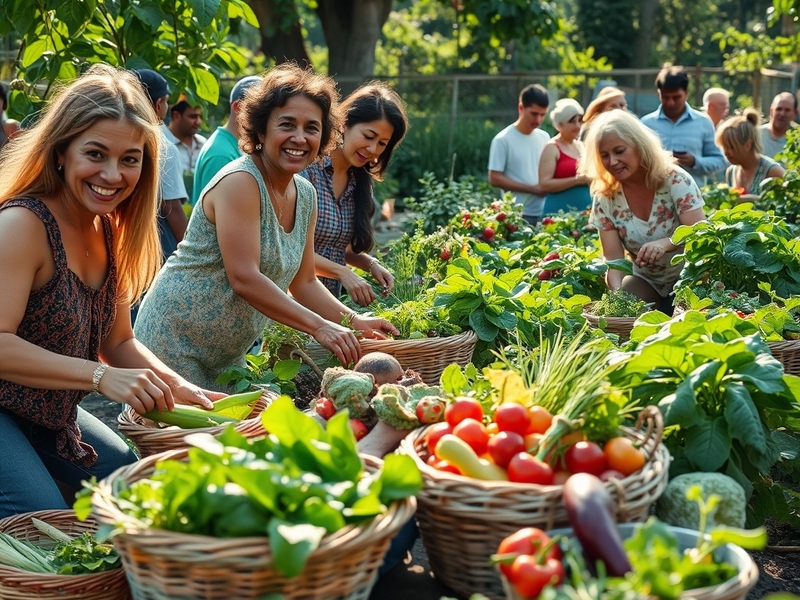
Furthermore, community-supported agriculture (CSA) initiatives have become a popular way for consumers to connect directly with local farmers. By investing in local farms, consumers help support sustainable practices while ensuring a steady supply of fresh produce. This model fosters a sense of community and promotes awareness about the origins of food.
The Role of Education in Shaping Future Food Choices
Education plays a crucial role in shaping individuals’ food choices and awareness of sustainability. Schools and organizations are increasingly incorporating nutrition and environmental education into their curricula. This educational approach empowers the younger generation to make informed decisions regarding their diets and the impact of their food choices on the environment.
Programs that teach children about gardening, cooking, and the importance of local food systems can foster a lifelong appreciation for sustainable practices. By understanding where food comes from and how it is produced, individuals are more likely to support sustainable options in their daily lives.
Challenges to Sustainable Food Systems
Despite the many advancements, several challenges remain in establishing sustainable food systems. Economic factors, such as the cost of organic farming inputs and market access for small farmers, can hinder progress. Additionally, climate change continues to pose significant risks to food production, with fluctuating weather patterns affecting crop yields.
To combat these challenges, collaboration is essential. Farmers, consumers, and policymakers must work together to create policies that support sustainable practices. Here are some key areas where collective action can make a difference:
- Advocating for policies that support local food systems
- Investing in research for sustainable agricultural practices
- Promoting awareness campaigns about the benefits of sustainable eating
- Supporting fair trade and ethical sourcing practices
By addressing these areas, we can build a food system that not only meets current demands but also protects our planet for future generations.
In conclusion, feeding our future requires a multifaceted approach that emphasizes sustainability, innovation, and education. As we navigate the complexities of food production and consumption, it is imperative to support practices that ensure food security while protecting our environment. By making informed choices and advocating for sustainable practices, we can contribute to a healthier planet and a more secure future for all.