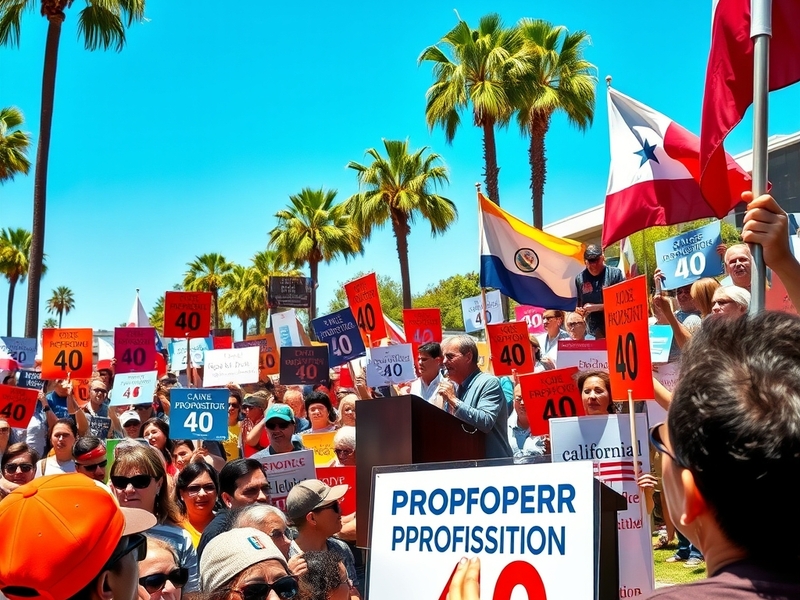
Understanding Prop 40: A Closer Look
Proposition 40, a significant piece of legislation, has garnered attention for its potential impact on various sectors. This proposition, which was presented to voters, focuses on a specific area of policy that could reshape local governance and community dynamics. With implications that span across economic, social, and environmental realms, it is crucial to dissect its provisions and the broader context surrounding its introduction.
Key Provisions of Proposition 40
At its core, Prop 40 includes several crucial points that voters need to be aware of. Understanding these provisions can provide clarity on how this legislation could influence daily life and governance. Here are some key aspects:
- Policy Changes: Prop 40 proposes changes to existing regulations that govern local land use.
- Community Involvement: The measure emphasizes the importance of public input in decision-making processes.
- Environmental Impact: It aims to enhance protections for local ecosystems, promoting sustainability.
- Funding Allocations: Specific funds will be allocated to support community projects and infrastructure improvements.
The Context and Motivation Behind Prop 40
To fully understand Prop 40, it is essential to consider the context in which it was introduced. Recent trends in urban development and community planning have highlighted the need for a more engaged and responsive governmental approach. Many communities have felt the strain of rapid development without adequate public consultation. This has led to growing calls for legislation that prioritizes community voices and environmental stewardship.
Moreover, there has been a marked increase in awareness regarding climate change and its ramifications. Proposition 40 seeks to address these concerns by integrating robust environmental protections into local governance. This alignment with ecological priorities reflects a broader societal shift towards sustainability.
Broader Implications of Prop 40
The implications of Prop 40 extend beyond its immediate provisions. Should this proposition pass, it could set a precedent for similar legislative efforts across the state and even the nation. Here are some potential outcomes:
- Enhanced Civic Engagement: Increased public participation in governance could empower communities, leading to more tailored and effective policies.
- Strengthened Environmental Protections: By embedding ecological considerations into local policy, Prop 40 could inspire more environmentally conscious legislation in other areas.
- Economic Growth: Investing in community projects could stimulate local economies, providing jobs and enhancing quality of life.
However, there are also concerns regarding the feasibility of these changes. Critics argue that the implementation of such measures may lead to bureaucratic delays and increased costs. Balancing community desires with practical governance remains a challenge that must be addressed.
Conclusion: The Future of Prop 40
As Proposition 40 moves forward, its fate will depend on public perception and voter turnout. The proposition embodies a shift towards more inclusive governance and environmental responsibility, reflecting the values of many constituents. Its passage could signify a turning point in how local governments engage with their communities and address pressing environmental issues.
Ultimately, whether Prop 40 succeeds or fails will provide critical insights into the evolving relationship between citizens and their governments. It is a reflection of our collective aspirations for a more sustainable and participatory future.