Understanding the Role of British Patrol Ships
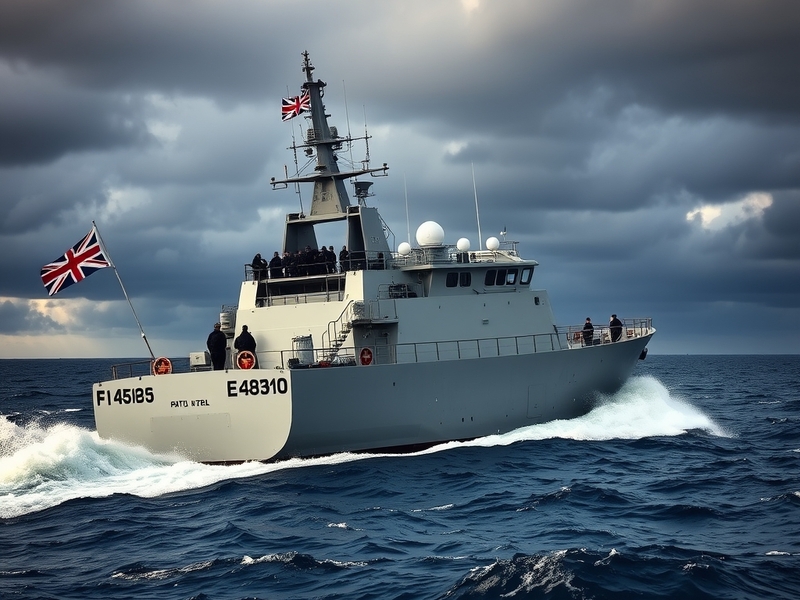
British patrol ships serve a crucial function in maritime security and defense. These vessels are designed to monitor and protect the waters surrounding the United Kingdom and its interests abroad. Their missions often include anti-piracy operations, counter-narcotics efforts, and humanitarian assistance. The role of these ships has evolved significantly, adapting to new threats and geopolitical challenges.
Types of British Patrol Ships
The Royal Navy operates various types of patrol ships, each tailored for specific missions. Some of the notable classes include:
- River-class: These vessels are primarily used for fishery protection, environmental monitoring, and surveillance operations.
- HMS Mersey: Named after the river in Liverpool, this ship has been instrumental in various operations, including anti-smuggling and border patrol.
- HMS Clyde: A key player in the defense of British interests in the Falkland Islands, HMS Clyde is equipped for long-range patrols.
Each class is designed with specific capabilities, ensuring that the Royal Navy can respond effectively to a wide range of maritime challenges.
Global Context and Cultural Significance
British patrol ships operate not only in national waters but also in international territories. Their presence is a symbol of the UK’s commitment to maintaining maritime security and upholding international law. In recent years, the role of these ships has expanded beyond traditional defense tasks. They are now involved in humanitarian missions, disaster relief, and environmental protection efforts.
The cultural significance of these vessels cannot be understated. They represent a long history of naval power and maritime exploration. The British have a storied tradition of shipbuilding and naval warfare, and patrol ships are a continuation of this legacy. Their operations often reflect broader geopolitical strategies, such as maintaining stability in regions prone to conflict or providing assistance in the face of natural disasters.
Challenges Faced by British Patrol Ships
While British patrol ships are equipped to handle a variety of missions, they face several challenges. These include:
- Budget Constraints: As defense budgets fluctuate, the Royal Navy must make difficult decisions regarding the maintenance and deployment of its fleet.
- Technological Advancements: The rapid pace of technological change requires continuous upgrades to equipment and training for personnel.
- Geopolitical Tensions: Increasing tensions in various regions can complicate patrol operations and necessitate a more robust naval presence.
Addressing these challenges is vital for ensuring that British patrol ships remain effective in their roles. Continuous investment in both personnel and technology will be essential for future success.
The Future of British Patrol Ships
Looking ahead, the future of British patrol ships will likely involve greater integration with international partners. Collaborative missions with NATO allies and other nations can enhance operational effectiveness and foster stronger diplomatic ties. Furthermore, advancements in technology, such as unmanned systems and enhanced surveillance capabilities, will play a significant role in reshaping patrol operations.
In conclusion, British patrol ships are integral to the UK’s maritime strategy. They embody a rich naval heritage while adapting to the demands of modern security challenges. Through their continued evolution, these vessels will remain at the forefront of safeguarding the nation’s interests on the high seas.