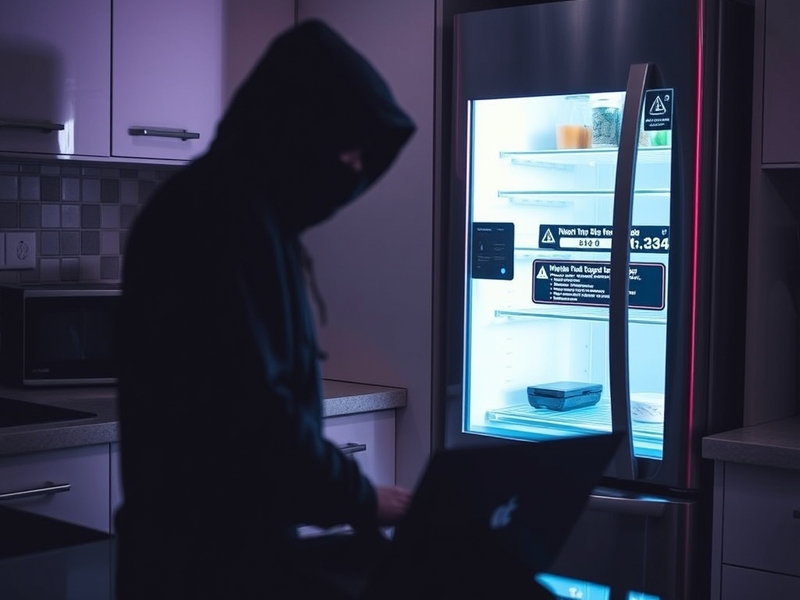
Understanding the Fridge Cyber Attack Phenomenon
Cybersecurity threats have evolved, infiltrating not only computers and smartphones but also everyday appliances like refrigerators. The recent surge in cyber attacks targeting smart fridges highlights the vulnerabilities inherent in our increasingly connected homes. These incidents raise significant concerns about privacy, security, and the implications for our daily lives.
The Mechanics of Smart Fridge Cyber Attacks
Smart fridges, equipped with internet connectivity and advanced features, can be manipulated by hackers to gain unauthorized access. The attack vectors often involve:
- Weak Passwords: Many consumers fail to change default passwords, leaving devices susceptible to easy breaches.
- Outdated Software: Failing to update firmware can leave security holes that hackers exploit.
- Insecure Networks: Connecting smart appliances to unsecured Wi-Fi networks opens them up to external attacks.
Once compromised, these devices can be used to gather personal data or even launch attacks on other systems within the home network. The implications are vast, ranging from identity theft to potential physical harm.
Global Implications and Cultural Context
The rise in fridge cyber attacks reflects a larger trend in cybersecurity vulnerabilities across the globe. In regions like North America and Europe, where smart home devices are commonplace, the risk is particularly pronounced. Consumers are often unaware of the potential threats posed by these technologies.
In contrast, regions with less penetration of smart home devices may not yet experience these threats, but the globalization of technology means that these issues will eventually reach all corners of the world. As smart appliances become more integrated into everyday life, understanding and addressing these threats will be crucial.
Preventive Measures and Future Outlook
To mitigate the risks associated with smart fridge cyber attacks, consumers and manufacturers alike must prioritize security. Here are some essential steps:
- Regularly update device firmware to patch vulnerabilities.
- Change default passwords to strong, unique passwords.
- Utilize secure Wi-Fi networks with strong encryption.
- Educate users about the importance of cybersecurity in smart devices.
Looking ahead, as technology continues to advance, the industry must also adapt. Manufacturers should prioritize security features in their designs, while consumers must remain vigilant about maintaining their devices’ safety. A collaborative effort between users and manufacturers can help create a more secure smart home environment.
In conclusion, the emergence of fridge cyber attacks serves as a reminder of the vulnerabilities that accompany technological advancements. As smart appliances become increasingly integrated into our lives, understanding the risks and taking proactive measures will be essential in safeguarding our personal information and ensuring a secure home environment.