The Significance of the Reaping in The Hunger Games
The Reaping, a central event in Suzanne Collins’ “The Hunger Games,” serves as a grim reminder of the oppressive control wielded by the Capitol over the districts. Each year, children are chosen to participate in a brutal competition that tests their strength, wit, and survival skills. The bleak atmosphere of the Reaping day sets the tone for the entire narrative, reflecting themes of power, sacrifice, and rebellion.
Setting the Scene: Sunrise on Reaping Day
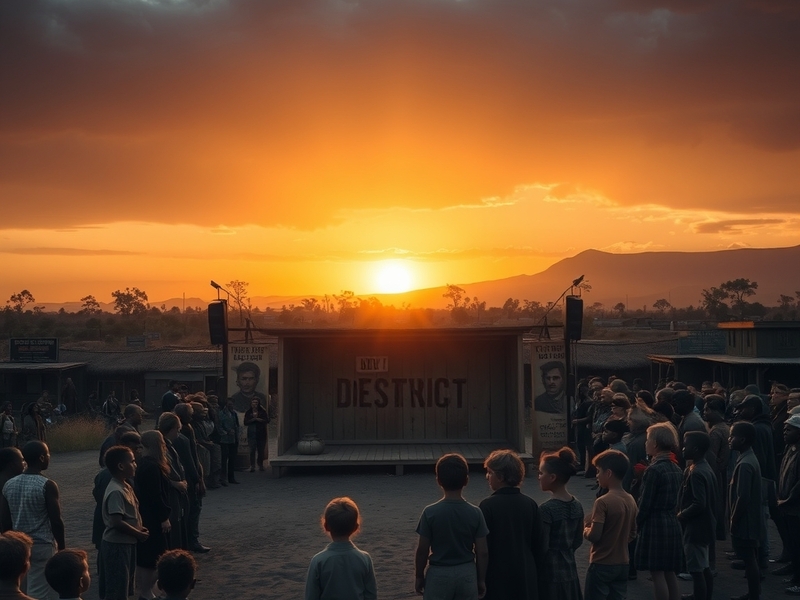
As dawn breaks on the day of the Reaping, the atmosphere is heavy with tension and fear. The sun rises over District 12, illuminating the stark reality of the inhabitants’ lives. This moment is not merely a backdrop; it symbolizes hope and despair intertwined. The bright morning light contrasts sharply with the dark fate awaiting the chosen tributes.
The Reaping itself is a public spectacle, drawing the attention of the entire district. Citizens gather, their expressions a mix of resignation and dread. The event becomes a ritualized performance, highlighting the Capitol’s power to manipulate and control the populace. This setting serves as an essential catalyst for the story, propelling characters like Katniss Everdeen into a fight for survival.
The Emotional Toll of the Reaping
The emotional impact of the Reaping extends beyond the immediate fear of being selected. Families are torn apart, and friendships are tested as the reality of the Games looms large. The Reaping creates an atmosphere of distrust and anxiety, where alliances are fragile and survival instincts kick in. This tension is palpable, especially among the children who must grapple with the possibility of being thrust into a deadly arena.
Key points regarding the emotional toll of the Reaping include:
- Loss of innocence: Children are forced to confront mortality at a young age.
- Community dynamics: The event alters relationships as citizens either bond over shared fear or turn against one another.
- Parental anxiety: Parents face the heart-wrenching possibility of losing their children.
- Resilience: Despite the fear, the Reaping ignites a spirit of rebellion among some characters.
Broader Implications of the Reaping
The Reaping is not just a plot device; it serves to critique societal structures and the morality of governance. It reflects the consequences of a society that prioritizes entertainment over human life. The Capitol’s manipulation of the Reaping illustrates a disturbing reality where the powerful exploit the vulnerable for their gain. This theme resonates with modern audiences, prompting reflections on social justice and the ethics of power.
Moreover, the Reaping is a commentary on desensitization. The citizens of the districts become accustomed to the annual selection, showcasing how systemic oppression can normalize violence. This normalization is a crucial aspect of the narrative, as it challenges readers to consider the implications of apathy in the face of injustice.
Conclusion: The Reaping as a Catalyst for Change
The Reaping is a pivotal moment in “The Hunger Games,” encapsulating the struggles of individuals against a tyrannical regime. Through the lens of this event, readers witness the transformation of Katniss from a frightened girl into a symbol of hope and resistance. The emotional weight of the Reaping serves as both a personal and political awakening, ultimately leading to rebellion against the Capitol.
In conclusion, the significance of the Reaping extends far beyond its immediate context. It raises critical questions about power, sacrifice, and the human spirit’s capacity to resist oppression. As the story unfolds, the effects of the Reaping ripple through the lives of the characters, shaping their destinies and the future of their world.