The Voting Process in Nevada
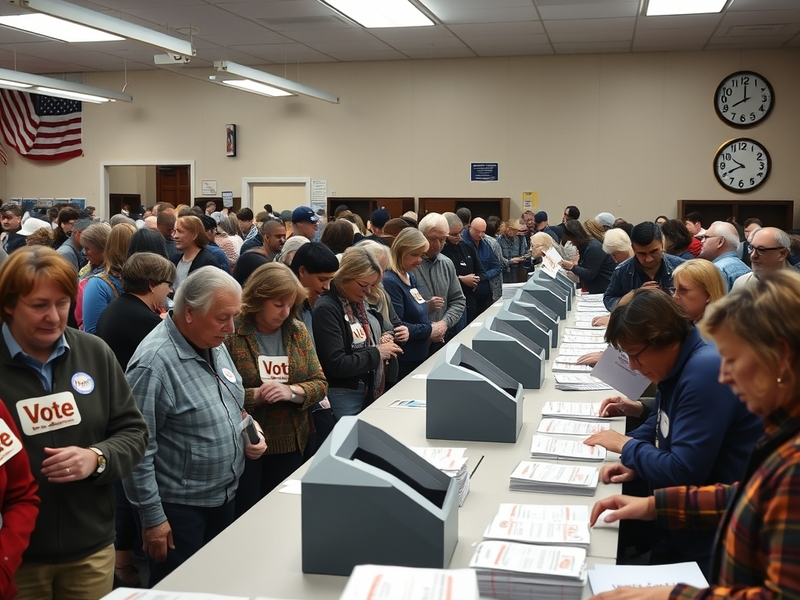
Nevada has gained attention for its prolonged vote-counting process, especially during elections. While some citizens express frustration, understanding the reasons behind the delays reveals a complex system shaped by various factors. The state employs a mix of mail-in and in-person voting, which brings both advantages and challenges.
Mail-in Voting: A Double-Edged Sword
One notable factor contributing to the extended counting times is Nevada’s significant reliance on mail-in ballots. While this method enhances accessibility and encourages participation, it also introduces logistical complications. Each mail-in ballot must be verified for authenticity, which involves checking signatures and ensuring that ballots are not submitted multiple times.
The sheer volume of mail-in ballots can overwhelm election officials, particularly in high-turnout years. For example, in the 2020 election, Nevada saw a record number of mail-in ballots, necessitating extensive resources and time to process them accurately.
State Regulations and Procedures
Nevada has specific regulations that dictate how votes are counted. The state mandates that ballots cannot be counted until the polls close, which means that any mail-in ballots received prior to this time must be held until the official counting begins. This rule, while ensuring fairness, can lead to delays.
Election officials prioritize accuracy over speed. They use a meticulous process that includes:
- Signature verification
- Ballot sorting
- Counting and double-checking
This thorough approach ensures the integrity of the election results but inevitably extends the timeline for final counts.
Comparative Analysis: Global Perspectives
When examining Nevada’s vote-counting process, it is interesting to compare it with other nations. Countries like Canada and Australia have also faced challenges with vote counting, but they often utilize different systems. For instance, Canada employs a more centralized approach to counting, which can expedite the process. In contrast, many European nations utilize advanced technology that streamlines the counting of ballots.
Additionally, cultural attitudes toward voting and counting can influence processes. In some places, there is a greater emphasis on speed, while others prioritize accuracy and transparency. Understanding these differences can provide valuable insights into how various regions handle electoral processes.
Conclusion: Balancing Speed and Accuracy
The prolonged vote-counting process in Nevada reflects a commitment to ensuring that every vote is counted accurately. While delays can be frustrating, they underscore the complexity of modern electoral systems, particularly in a state with high mail-in voting participation. As technology evolves and regulations adapt, there is potential for improved efficiency while maintaining the integrity of the democratic process.
For those interested in more insights into current events and political analysis, visit our News section or explore our Politics category for deeper discussions on related topics.