The Thrill of Roller Coasters: A Journey Through Time
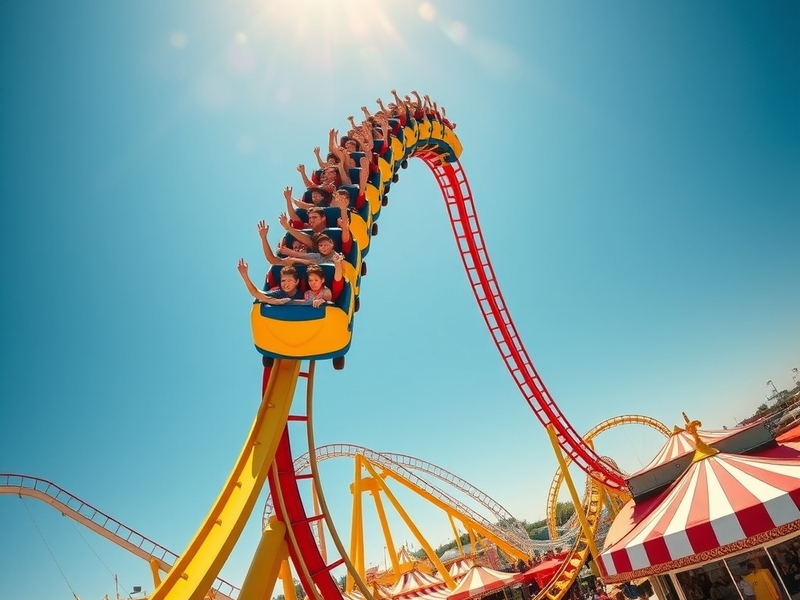
Roller coasters have long been a staple of amusement parks, drawing thrill-seekers with their dizzying heights and heart-pounding speeds. These mechanical marvels are not just rides; they are complex engineering feats that evoke excitement and fear. With a rich history dating back to the 17th century, roller coasters have evolved significantly over the years, both in design and technology.
A Brief History of Roller Coasters
The origins of roller coasters can be traced back to the ice slides of Russia in the early 1600s. These wooden structures were initially built for winter fun, but as they gained popularity, the concept was adapted for summer enjoyment. The first recorded roller coaster in America, the “Switchback Railway,” was introduced in 1884 at Coney Island. It featured a simple design with a series of dips and turns that thrilled riders.
As technology progressed, so did the designs of roller coasters. Steel coasters emerged in the 1950s, allowing for more intricate designs and smoother rides. Today, coasters can reach astonishing speeds of over 75 miles per hour and heights exceeding 300 feet. The innovation in coaster design reflects not only advancements in engineering but also a growing desire for more thrilling experiences.
The Anatomy of a Roller Coaster
Understanding the components of a roller coaster can enhance the appreciation for these thrilling rides. Here are the key elements that make up a typical roller coaster:
- Track: The pathway that guides the coaster train, which can be made of wood or steel.
- Train: The series of cars that carry riders, designed to maximize safety and comfort.
- Lift Hill: The initial climb that builds anticipation before the descent.
- Drops: The steep descents that create the sensation of weightlessness.
- Inversions: Loops and corkscrews that turn riders upside down.
Each of these components plays a critical role in the overall experience, providing both thrills and safety. The careful engineering behind roller coasters ensures that even the most daring designs can be enjoyed without compromising rider safety.
The Cultural Impact of Roller Coasters
Roller coasters have transcended their role as mere amusement rides to become symbols of adventure and freedom. They serve as a microcosm of society’s appetite for risk and the thrill of the unknown. Parks like Six Flags and Cedar Point have become pilgrimage sites for coaster enthusiasts, who often travel great distances to experience the latest and greatest rides.
Moreover, the rise of social media has amplified the roller coaster experience. Riders often share their experiences online, showcasing their reactions and documenting their rides. This has created a vibrant community of enthusiasts who exchange tips, reviews, and even participate in coaster-themed events. The thrill of a roller coaster ride is now often coupled with the thrill of sharing that experience with a larger audience.
Conclusion: The Future of Roller Coasters
As technology continues to advance, the future of roller coasters looks promising. Innovations such as virtual reality integration and magnetic propulsion systems are already being tested, promising even more exhilarating experiences. The combination of technology and creativity will likely lead to the development of rides that push the boundaries of physics and imagination.
Roller coasters are more than entertainment; they reflect our fascination with speed, height, and the thrill of risk. As we look ahead, the evolution of roller coasters will undoubtedly continue to captivate audiences of all ages, ensuring that they remain a beloved aspect of amusement parks for generations to come.