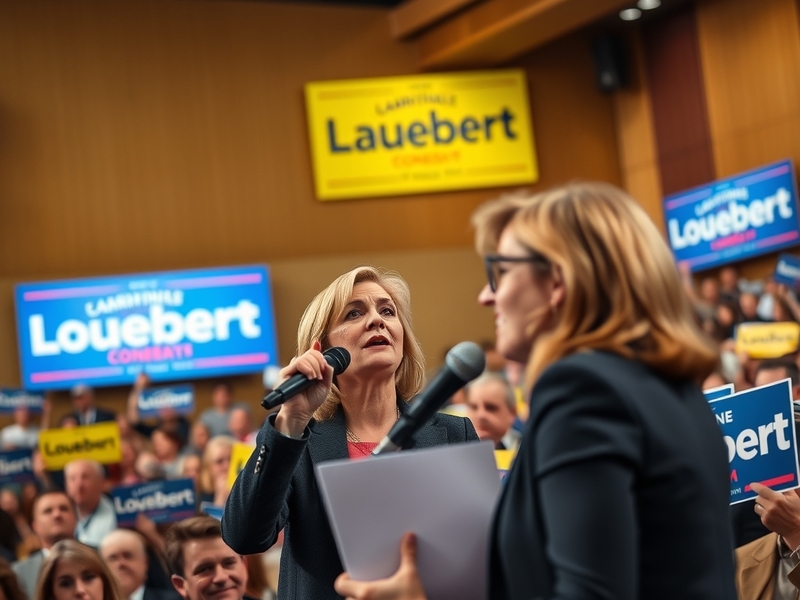
Overview of Lauren Boebert’s Political Journey
Lauren Boebert, a Republican representative from Colorado, has been a polarizing figure since her election to Congress in 2020. Known for her outspoken views and advocacy for Second Amendment rights, Boebert quickly established herself as a significant voice within the party. Her political journey reflects broader trends in American politics, particularly the rise of populism and a shift towards more extreme positions.
Recent Election Results and Implications
In the recent midterm elections, Boebert faced a tough challenge that highlighted the changing dynamics in her district. Initially thought to be a safe seat, her district’s demographics and political leanings have shifted, making her reelection bid more competitive. The results of the election showed her narrowly winning against her Democratic opponent, which raised eyebrows about her future prospects.
The close nature of the election results indicates a potential shift in voter sentiment. Factors such as economic concerns, social issues, and national debates surrounding gun control and healthcare played significant roles in shaping voter opinions. Many analysts suggest that Boebert’s hardline stances may not resonate as strongly with moderate voters in her district.
Cultural Context and the Rise of Populism
Boebert’s political rise can be seen as part of a larger global trend where populist leaders gain traction by tapping into public dissatisfaction with the political establishment. This phenomenon is not unique to the United States; similar movements have emerged in various countries, often characterized by a rejection of traditional political norms and an embrace of more radical policies.
Understanding this context is essential for analyzing Boebert’s appeal. Her supporters often cite her authenticity and willingness to challenge the status quo as key reasons for their support. However, critics argue that her approach contributes to divisiveness and political polarization.
Future Prospects and Challenges
Looking ahead, Boebert faces several challenges as she navigates the political landscape. The following factors will likely influence her political future:
- Voter Sentiment: Continued engagement with constituents will be crucial. If she fails to address the concerns of moderate voters, her support may dwindle.
- Party Dynamics: As the Republican Party grapples with internal divisions, Boebert’s alignment with more extreme factions could either bolster her position or alienate more centrist supporters.
- Legislative Achievements: Success in passing significant legislation related to her key issues could enhance her credibility and strengthen her electoral base.
In conclusion, Lauren Boebert’s political journey is emblematic of the current state of American politics, marked by increasing polarization and the rise of populism. Her recent election results signal potential vulnerabilities that could reshape her future in Congress. As she continues to navigate these challenges, the broader implications for the Republican Party and American politics remain to be seen.