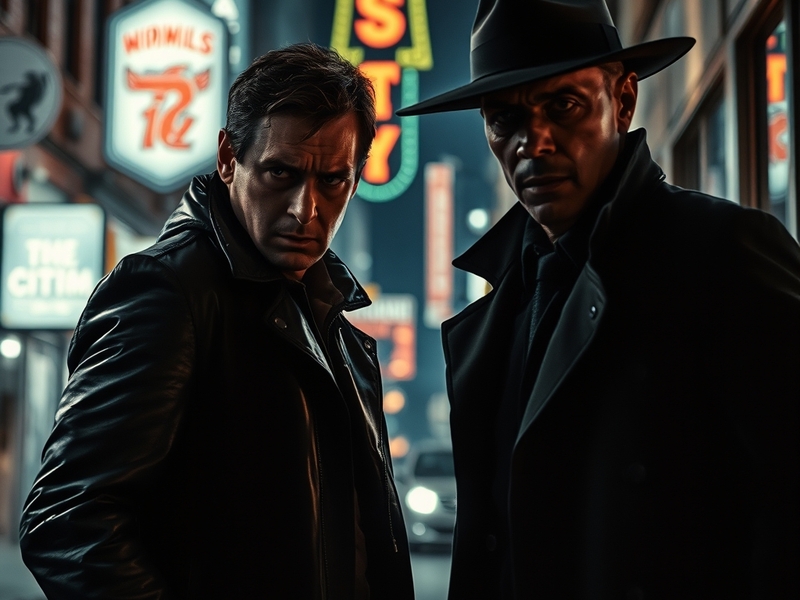
Understanding the Action Thriller Genre
The action thriller genre combines the adrenaline-fueled excitement of action films with the suspenseful elements of thrillers. This fusion creates a unique cinematic experience that keeps audiences on the edge of their seats. From explosive car chases to intricate plot twists, action thrillers are designed to captivate viewers through both visual spectacle and narrative tension.
At their core, action thrillers often feature protagonists who are thrust into high-stakes situations. They must navigate through danger while unraveling a plot that typically involves crime, espionage, or conspiracy. The genre has evolved over the years, reflecting societal fears and desires, while also adapting to advancements in filmmaking technology.
Key Elements of Action Thrillers
Several essential components define action thrillers, setting them apart from other genres. Understanding these elements can provide insight into what makes these films so engaging.
- Fast-Paced Action: High-octane sequences are a staple, including shootouts, chases, and hand-to-hand combat.
- Complex Characters: Protagonists are often deeply flawed, adding layers to their motivations and decisions.
- Suspenseful Plot: The narrative typically involves a race against time, with twists and turns that keep viewers guessing.
- High Stakes: The stakes are usually life-or-death, which amplifies the tension and urgency of the story.
- Technological Innovations: Modern action thrillers often incorporate cutting-edge technology, both in terms of plot elements and special effects.
The Evolution of Action Thrillers
Since the genre’s inception, action thrillers have evolved significantly. The early films often focused on straightforward narratives and physical stunts. However, as audiences’ tastes have changed, so too have the stories being told. Today, these films often explore deeper themes such as morality, justice, and the consequences of violence.
One notable shift is the increasing complexity of villains. No longer are antagonists merely evil for the sake of it; they are often portrayed with intricate backstories that make them relatable or even sympathetic. This change has added depth to the narratives and has made the conflict between hero and villain more engaging.
Moreover, the global landscape has influenced the genre. International settings and multicultural characters have become more common, reflecting a more interconnected world. Films such as “Skyfall” and “The Bourne Identity” showcase this trend, as they blend action with geopolitics, exploring themes of espionage and national security.
Broader Implications of Action Thrillers
The popularity of action thrillers extends beyond entertainment; they often mirror societal issues and psychological fears. The genre has the power to comment on topics such as terrorism, government surveillance, and personal freedom. For example, films like “Enemy of the State” and “Snowden” delve into the implications of privacy in the digital age, raising awareness about surveillance and civil liberties.
Furthermore, the action thriller genre can influence public perception and shape cultural narratives. When films portray certain groups or issues, they can significantly impact societal attitudes. This influence underscores the responsibility filmmakers have in their storytelling choices.
As technology continues to advance, the action thriller genre is likely to evolve further. With the rise of virtual reality and interactive storytelling, audiences may soon experience these narratives in entirely new ways, blurring the lines between viewer and participant. This shift could redefine how stories are told and experienced, creating even more immersive and engaging action thrillers.
In conclusion, action thrillers are a dynamic genre that captivates audiences through their blend of excitement and suspense. As they evolve, they continue to reflect societal issues and shape cultural narratives. With their ability to entertain while also provoking thought, action thrillers are likely to remain a significant part of cinematic storytelling for years to come.