Sailing into Magic: The Global Appeal of Disney Cruise Ships
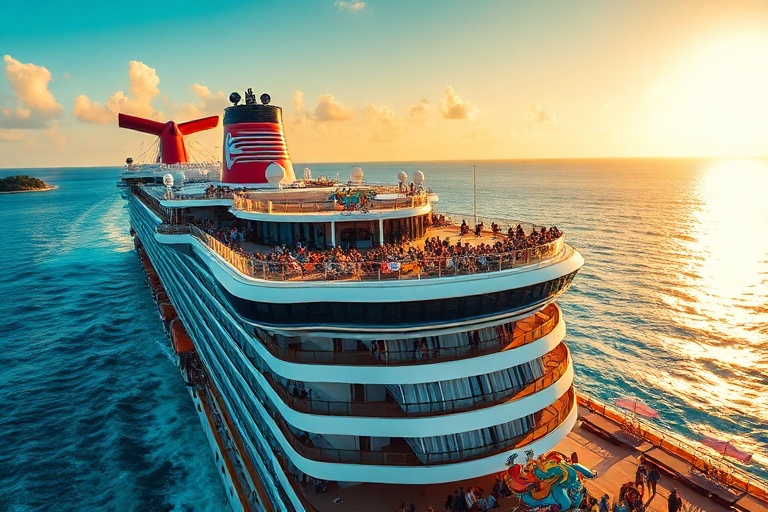
Disney Cruise Line has redefined family vacations since its 1995 debut, blending nautical adventure with the brand’s signature storytelling. These ships carry millions of passengers each year across the Caribbean, Mediterranean, and beyond, offering a floating theme park experience that resonates from Tokyo to Barcelona. What began as a niche offering for Disney fans has grown into a global travel phenomenon, shaping how families plan vacations worldwide.
The fleet’s expansion—now including six ships with the 2024 launch of Disney Destiny—reflects Disney’s strategic investment in experiential travel. Unlike traditional cruise lines, Disney’s ships are designed as immersive extensions of its parks, featuring Broadway-style shows, character meet-and-greets, and themed dining that cater to both children and adults. This approach has made Disney Cruise Line a benchmark for family-friendly hospitality, influencing competitors to enhance their own youth programs.
A Floating Theme Park: What Sets Disney Cruises Apart
Every Disney cruise ship is a microcosm of the brand’s creativity. The vessels feature distinct neighborhoods, such as the adults-only Quiet Cove on newer ships, alongside youth clubs that adapt activities to local cultures. For example, during European itineraries, Disney integrates regional storytelling—like Scandinavian folklore on Baltic Sea routes—into onboard entertainment. This localization ensures the magic feels authentic, regardless of departure port.
The ships’ design also reflects global influences. The Disney Wish, launched in 2022, incorporates Art Deco motifs inspired by 1920s transatlantic liners, a nod to the golden age of cruising. Meanwhile, the Disney Dream and Disney Fantasy emphasize tropical themes, with interiors evoking the Caribbean’s vibrant colors. These details matter to travelers who prioritize aesthetic experiences over standard cruise amenities.
Food plays a pivotal role in the Disney cruise identity. Rotational dining—where guests rotate between themed restaurants each night—ensures culinary variety. On Mediterranean sailings, menus often feature local ingredients like Spanish saffron or Italian truffles, elevating the dining experience beyond typical cruise fare. This attention to regional flavors aligns with global food tourism trends, where authenticity drives satisfaction.
Routes That Bridge Cultures: Where Disney Ships Sail
Disney Cruise Line operates in diverse regions, each offering unique cultural exchanges. The Caribbean remains a staple, with ships like the Disney Magic stopping at ports like Cozumel and St. Maarten, where passengers can explore Mayan ruins or Dutch colonial architecture. These itineraries attract North American families seeking a mix of relaxation and adventure.
In Europe, Disney’s summer sailings target multigenerational groups eager to combine cruising with cultural immersion. The Disney Dream frequently sails from Barcelona to the Greek Isles, allowing travelers to visit the Acropolis by day and enjoy a Frozen-themed deck party by night. Such routes cater to European preferences for compact, high-value vacations.
Asia represents a growing frontier for Disney. The Disney Fantasy and Disney Wonder have berthed in Japan and China, where demand for premium family travel is surging. In Tokyo, Disney’s ships dock near teamLab Planets, a digital art museum that complements the cruise’s futuristic design elements. These partnerships create synergies that attract tech-savvy and culturally curious travelers.
Below is a snapshot of Disney’s most popular itineraries and their cultural highlights:
- Alaska: Glacier viewing and Indigenous cultural tours in Juneau or Skagway.
- Northern Europe: Viking history in Norway and Hans Christian Andersen’s Denmark.
- Bahamas: Nassau’s straw markets and Atlantis Resort’s marine exhibits.
- Mexico: Colonial charm in Puerto Vallarta and eco-tourism in Costa Rica.
The Business of Magic: Disney’s Cruise Line Growth Strategy
Disney Cruise Line’s success stems from a calculated expansion plan. The company’s 2024 investment in Disney Destiny—a ship tailored for the European market—signals a focus on high-spending travelers in that region. Analysts note that Disney’s cruise division now generates over $2 billion annually, with profit margins exceeding those of its parks and resorts.
This growth aligns with broader industry trends. Cruise lines are prioritizing sustainability and experiential travel, and Disney’s LNG-powered ships (like the Disney Wish) reduce emissions while offering quieter, more luxurious voyages. The company also leverages its IP to cross-promote cruises with Disney+, theme parks, and merchandise, creating a seamless ecosystem for fans.
However, challenges persist. Rising fuel costs and labor shortages have impacted itineraries, leading to occasional cancellations. Yet Disney’s strong brand loyalty mitigates these risks. Families often book years in advance, drawn by exclusive perks like character interactions and onboard credit offers. This loyalty is evident in the cruise line’s 85% repeat guest rate.
The economic impact of Disney cruises extends beyond passenger spending. Ports like Port Canaveral and Barcelona report increased tourism revenue from Disney passengers who extend their stays. Local businesses—from tour operators to souvenir shops—benefit from the influx of families with disposable income. In some regions, Disney’s presence has revitalized waterfront districts, turning once-sleepy harbors into vibrant tourist hubs.
Why Disney Cruises Outshine the Competition
While competitors like Royal Caribbean and Norwegian Cruise Line focus on adrenaline-packed amenities (e.g., skydiving simulators or go-kart tracks), Disney’s strength lies in its emotional connection. Themed deck parties, such as Pirates in the Caribbean or Frozen Deck Show, create shared memories that resonate across cultures. This emotional appeal is harder to replicate than physical attractions.
Disney also excels in accessibility. The cruise line’s “It’s a Small World” nursery and autism-friendly programming ensure inclusivity for travelers with diverse needs. Such initiatives align with global trends toward adaptive tourism, where destinations prioritize universal design. By addressing these gaps, Disney broadens its appeal beyond traditional family demographics.
For travelers seeking alternatives to Disney’s structured environment, the cruise line offers flexibility. Adults-only areas, spa retreats, and wine-pairing events cater to couples and solo adventurers. This dual approach—balancing family entertainment with adult-oriented spaces—has broadened Disney’s audience to include millennials and empty-nesters.
Planning Your Disney Cruise: Tips from Seasoned Travelers
Booking early is essential. Disney’s most popular sailings—especially holiday or summer routes—sell out months in advance. Travelers should also consider itinerary timing. For example, European cruises in shoulder seasons (May or September) offer pleasant weather without the peak-season crowds. Meanwhile, Caribbean sailings in winter coincide with North American school breaks, making them ideal for families.
Onboard, guests should prioritize dining reservations. Popular restaurants like Animator’s Palate (where meals are animated around guests) require advance booking. Families with young children may benefit from early dining times to accommodate bedtime routines. For those seeking relaxation, the adults-only Senses Spa offers a serene retreat.
Exploring ports independently can yield richer cultural experiences. While Disney offers excursions, local guides often provide deeper insights. For instance, in Santorini, a private tour of the island’s wineries may surpass the cruise line’s standard volcano hike. Researching ports in advance ensures travelers maximize their time ashore.
For those new to cruising, Disney’s shorter itineraries (3-5 nights) serve as an excellent introduction. These voyages allow families to test the waters—literally—without committing to a week-long journey. Plus, the cruise line’s “Disney Cruise Line Adventures” program rewards repeat guests with exclusive perks, from priority boarding to onboard discounts.
A Lasting Legacy on the High Seas
Disney Cruise Line has transformed family travel by merging entertainment, culture, and hospitality into a seamless voyage. Its ships are not just modes of transport but destinations in themselves, where every detail—from the carpet patterns to the cocktail menus—tells a story. As Disney expands its fleet and itineraries, the cruise line will continue shaping global tourism trends, proving that magic can be found both on land and at sea.
For travelers seeking a vacation that balances adventure with nostalgia, Disney Cruise Line offers an unparalleled experience. Whether gliding past the Norwegian fjords or dancing under the stars in the Caribbean, guests leave with memories as vivid as the animations that inspired them.