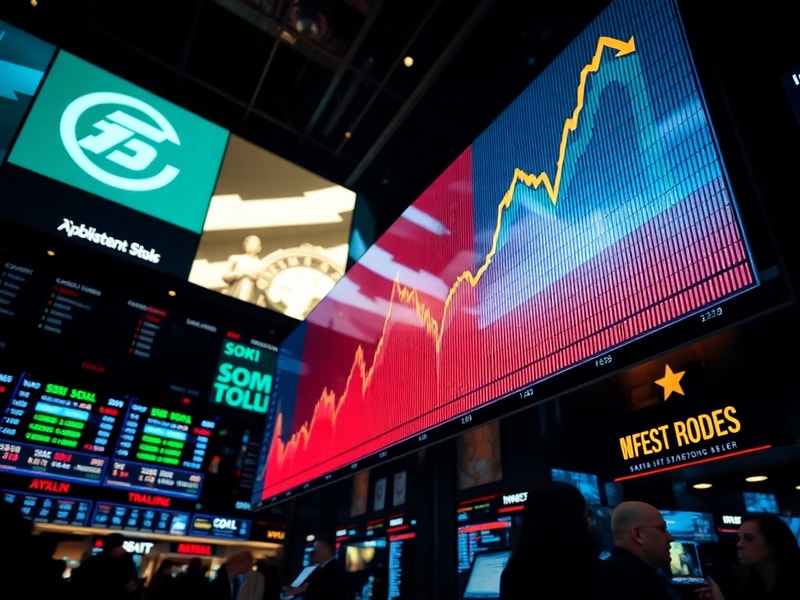
The Current State of Oil Prices
The price of oil is a critical factor that affects economies, businesses, and consumers worldwide. Fluctuations in oil prices can have profound implications, impacting everything from transportation costs to inflation rates. As of late 2023, the global oil market is experiencing significant volatility due to a variety of geopolitical and economic factors.
Factors Influencing Oil Prices
Several key factors contribute to the fluctuations in oil prices. Understanding these elements can provide insight into the market dynamics. Here are some of the primary influences:
- Geopolitical Tensions: Conflicts in oil-rich regions often lead to supply disruptions, which can drive prices up.
- Supply and Demand: Basic economic principles dictate that when demand exceeds supply, prices rise.
- OPEC Decisions: The Organization of the Petroleum Exporting Countries plays a crucial role in regulating oil production to manage prices.
- Economic Indicators: Global economic health, including GDP growth rates and industrial activity, impacts oil demand.
- Technological Advances: Innovations in extraction and production can alter supply capabilities, affecting prices.
Global Impacts of Oil Price Changes
The rise and fall of oil prices have far-reaching consequences across the globe. For oil-exporting nations, high prices can lead to increased revenue and economic growth. Conversely, for oil-importing countries, soaring prices can strain budgets and lead to inflation.
In addition, the impact of oil prices extends to various sectors:
- Transportation: Higher oil prices result in increased fuel costs, affecting everything from airline tickets to grocery prices.
- Manufacturing: Companies reliant on oil for production may experience higher operational costs, which can lead to increased prices for consumers.
- Investment: Fluctuations in oil prices can influence investment in alternative energy sources, as higher oil prices make renewables more attractive.
The Cultural Context of Oil Prices
Oil prices are not solely an economic issue; they also carry cultural significance. For many nations, oil is intertwined with national identity, pride, and security. Countries like Saudi Arabia and Russia have built their economies around oil exports, shaping their political and social landscapes.
Moreover, the cultural narrative surrounding oil has evolved. With the growing awareness of climate change, there is an increasing push towards sustainable energy sources. This shift is not just economic but also social, as communities advocate for cleaner energy solutions. The conversation around oil prices is now also a conversation about environmental responsibility and energy independence.
In conclusion, the price of oil is influenced by a myriad of factors that intersect with global economic and cultural contexts. As the world continues to navigate the complexities of energy production and consumption, understanding these dynamics becomes increasingly crucial. The implications of oil prices will remain a significant topic of discussion as economies adapt to both current realities and future challenges. For more insights into how various factors shape our world, check out our Business and Finance sections.