Understanding the Recent Building Collapses in NYC
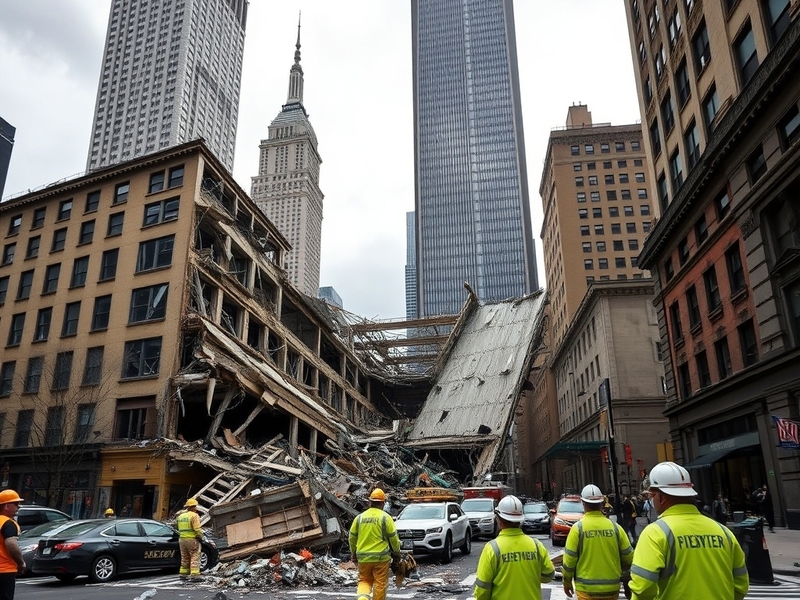
New York City has always been a bustling hub of activity, with its skyline filled with towering structures that have become iconic symbols of urban life. However, recent building collapses have raised serious concerns about safety regulations and construction practices. These incidents not only threaten lives but also highlight the need for stringent oversight in the construction industry.
Notable Incidents: A Closer Look
Several notable building collapses in NYC have made headlines in recent years. Among these incidents, a few stand out due to their tragic outcomes and the lessons learned:
- East Harlem Explosion (2014) – A gas explosion led to the collapse of two buildings, resulting in eight fatalities. This disaster emphasized the importance of proper gas line maintenance.
- Lower Manhattan Construction Site (2021) – A partially constructed building collapsed, injuring several workers. Investigations revealed that safety protocols were not adequately followed.
- Bronx Apartment Building (2022) – A fire caused structural failure, leading to a collapse that displaced numerous residents. This incident highlighted issues in emergency response and building materials.
Causes of Building Collapses
The reasons behind building collapses can vary significantly. Some common factors include:
- Poor Construction Practices – Inadequate adherence to building codes and regulations can lead to structural weaknesses.
- Neglect of Maintenance – Aging buildings may suffer from deterioration that goes unnoticed until it is too late.
- Natural Disasters – Events like earthquakes or severe storms can compromise structural integrity.
- Human Error – Mistakes made during construction or renovation can have dire consequences.
Understanding these causes is essential for preventing future incidents. Ensuring that construction practices meet established safety standards is crucial for the protection of workers and residents alike.
The Role of Regulations and Oversight
In the wake of these collapses, there has been increased scrutiny on the regulatory framework governing construction in New York City. Agencies like the Department of Buildings (DOB) are tasked with enforcing safety codes and conducting inspections. However, the effectiveness of these regulations is often called into question.
Improving oversight can involve several strategies:
- Enhancing training for inspectors to recognize potential hazards.
- Increasing penalties for non-compliance with safety regulations.
- Implementing more frequent inspections, especially in high-risk areas.
- Encouraging community involvement in monitoring construction projects.
By adopting these measures, New York City can work towards ensuring that such tragedies do not repeat themselves.
Community Impact and Future Outlook
The impact of building collapses extends beyond immediate physical damage. Communities suffer emotional and economic setbacks as well. Families may lose homes, while local businesses can experience declines due to safety fears. Rebuilding efforts often take years, disrupting lives and livelihoods.
Looking forward, it is imperative for city officials, construction companies, and community members to collaborate on creating a safer urban environment. Public awareness campaigns can educate residents about safety measures and encourage vigilance regarding construction practices.
Ultimately, the goal is to foster a culture of safety that prioritizes the well-being of all New Yorkers. It requires a commitment to rigorous standards, continuous improvement, and proactive measures to prevent future disasters.