Curaçao vs Panama: A Comparative Analysis
Curaçao and Panama, both located in the Caribbean and Central America respectively, offer unique cultural experiences and economic opportunities. While they share geographical proximity, the two nations differ significantly in their landscapes, economies, and cultural identities. Understanding these differences can provide valuable insights for travelers and investors alike.
Geographical and Cultural Landscape
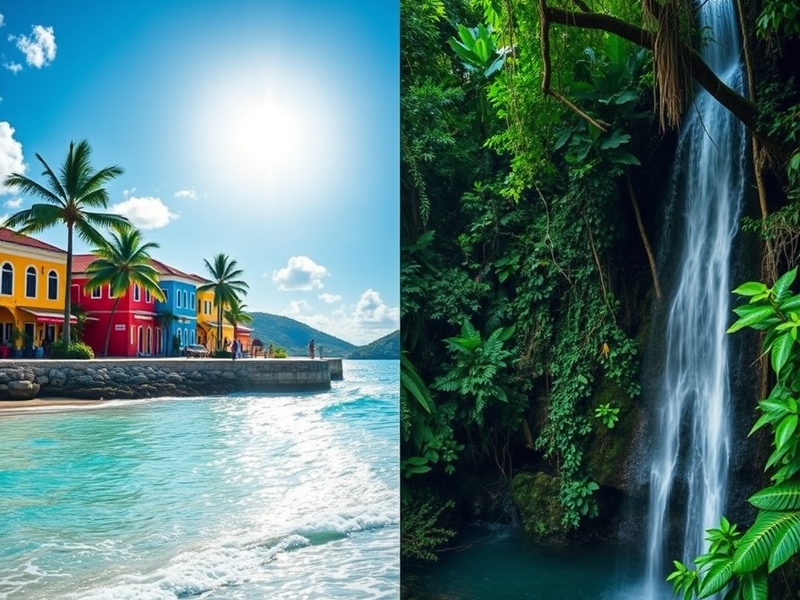
Curaçao, part of the ABC Islands, is known for its stunning beaches, vibrant coral reefs, and a rich blend of cultures influenced by its colonial past. With a population of about 160,000, the island boasts a diverse heritage, including Dutch, African, and Caribbean influences. The capital, Willemstad, is famous for its colorful architecture and historical significance.
In contrast, Panama is a larger country with a population exceeding 4 million. It is best known for the Panama Canal, a crucial conduit for international maritime trade. Panama City, the capital, is a bustling metropolis that combines modern skyscrapers with historical sites. The cultural landscape is equally varied, influenced by indigenous groups, Spanish colonization, and a melting pot of immigrant communities.
Economic Opportunities
Both Curaçao and Panama present distinct economic advantages. Curaçao’s economy is primarily driven by tourism, oil refining, and international financial services. The island attracts visitors with its picturesque beaches and vibrant nightlife, making it a popular choice for vacationers. However, it is also working to diversify its economy to reduce dependency on tourism.
On the other hand, Panama’s economy is one of the fastest-growing in the region, largely due to the Panama Canal. The canal not only generates significant revenue but also stimulates related industries such as logistics, banking, and tourism. The country’s strategic location makes it a hub for international trade and commerce, providing ample opportunities for investment.
Key Economic Differences
- Tourism vs. Trade: Curaçao relies heavily on tourism, while Panama benefits from its status as a trade center.
- Size of Economy: Panama’s economy is larger and more diverse compared to Curaçao.
- Investment Opportunities: Panama offers more opportunities for foreign investment due to its growing infrastructure and business-friendly policies.
Political Context and Stability
Political stability is crucial for economic growth and development. Curaçao operates under the Kingdom of the Netherlands, which provides a level of political stability and support. The local government has autonomy over many areas, including tourism and education, which can affect its economic policies directly.
In contrast, Panama has a more complex political landscape, with a history of military coups and political changes. However, in recent years, the country has made significant strides toward democracy and stability. The current government emphasizes transparency and anti-corruption measures, which are vital for fostering both local and foreign investment.
Travel Considerations
- Accessibility: Curaçao is accessible via direct flights from several major cities, while Panama has a more extensive network of international flights.
- Visa Requirements: Both destinations have relatively lenient visa policies for tourists, but specific requirements may vary.
- Language: Dutch and Papiamentu are spoken in Curaçao, while Spanish is predominant in Panama. English is widely understood in both places.
Broader Implications
The comparison between Curaçao and Panama highlights the diverse opportunities available in the Caribbean and Central America. For travelers, each destination offers unique experiences and attractions. Investors, on the other hand, must consider the economic landscapes and political environments before making decisions.
As global dynamics continue to shift, understanding the nuances between countries like Curaçao and Panama becomes increasingly important. The rise of digital nomadism and remote work is also reshaping how these nations attract talent and investment. Both countries are adapting to these trends, which could redefine their economic futures.
In conclusion, while Curaçao and Panama share some similarities, their differences present distinct opportunities and challenges. Whether one is seeking a vacation destination or potential investment, the key is to understand the unique attributes each country offers. Exploring these differences can lead to more informed decisions, whether for leisure or business.