Understanding the UEFA Nations League Schedule
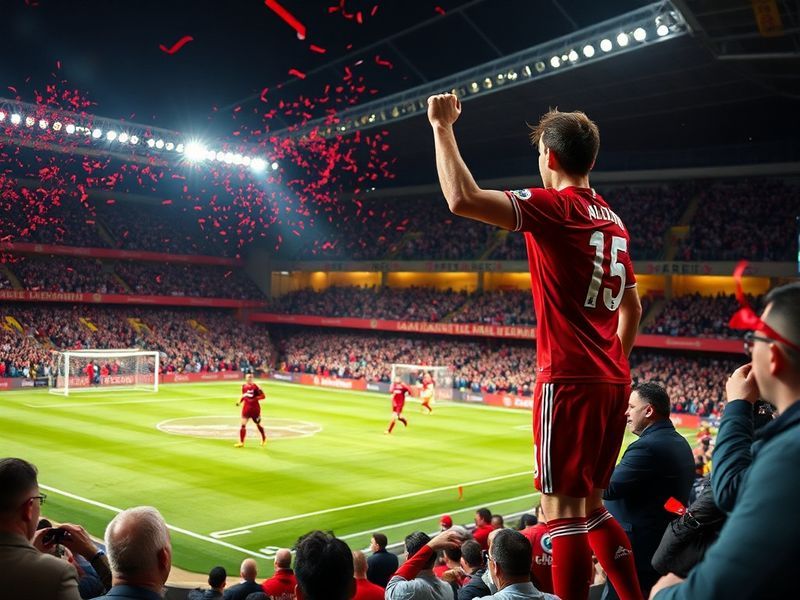
The UEFA Nations League has rapidly evolved into a significant fixture in the international football calendar. Established to enhance competitive matches, it offers teams a chance to secure qualification for major tournaments. As the next season approaches, understanding the schedule becomes crucial for fans, teams, and analysts alike. This article will break down the upcoming schedule, its implications, and how it affects various stakeholders.
Key Dates and Format
The UEFA Nations League operates on a structured format that includes league phases followed by knockout rounds. The next edition is set to commence with group matches, followed by semi-finals and finals. Here are some important dates to keep in mind:
- Group Stage Matches: September 2023 – November 2023
- Knockout Stage: June 2024
- Finals: June 2024
These matches will not only dictate the standings in the league but also influence qualification for the upcoming UEFA Euro 2024. Teams are keen to perform well, as their positions can lead to better seeding in future tournaments.
Impact on Teams and Players
The UEFA Nations League serves multiple purposes. For national teams, it’s an opportunity to build cohesion and test tactics ahead of major competitions. Players, too, have much at stake. Those who excel may find themselves in the spotlight, potentially leading to transfers or improved contracts.
Moreover, the league format allows for more competitive games compared to traditional friendlies. Nations that might struggle in qualifiers can still find a platform to showcase their talent. This is especially important for developing football nations looking to gain experience against stronger opponents.
Fan Engagement and Broadcasting
As the schedule unfolds, fan engagement remains a critical focus. With matches being broadcast across various platforms, accessibility plays a vital role in reaching audiences. Fans can expect to see matches available on both traditional TV networks and online streaming services.
The UEFA Nations League has also introduced various interactive elements to enhance the viewing experience. From live stats to in-depth analyses, fans are no longer passive observers; they can engage with the content in real time. This evolution in broadcasting is indicative of the changing landscape of sports media.
Conclusion
The UEFA Nations League schedule is more than just a series of matches; it represents a shift in how international football is organized and consumed. With key dates approaching, teams are gearing up for what promises to be an exciting season. Fans should stay informed and engaged, as the outcomes will have lasting impacts on both players and national teams. For more insights into sports and analysis, visit our sports category and stay updated.