Global Alliances: The Dynamics Between Trump, Putin, and Xi Jinping
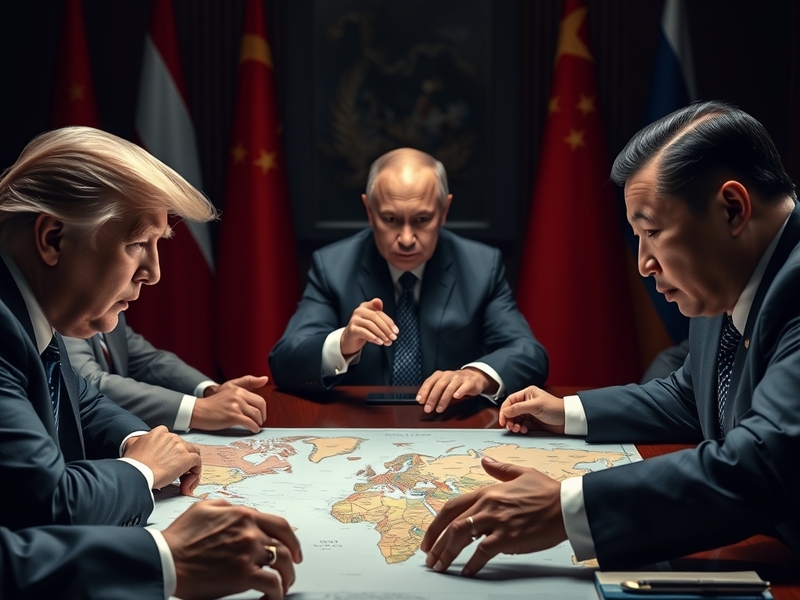
The interactions among key global leaders such as Donald Trump, Vladimir Putin, and Xi Jinping have shaped international relations significantly over the past decade. Each leader represents a powerful nation with distinct political agendas and ideologies. Their relationships are often characterized by both cooperation and tension, reflecting the complexities of global diplomacy.
Historical Context of Their Relations
The paths of Trump, Putin, and Xi have crossed at various international summits and discussions, often focusing on issues like trade, military conflicts, and cyber security. The foundational years of their relationships can be traced back to Trump’s election in 2016, which brought a shift in U.S. foreign policy that was both unpredictable and engaging.
Trump’s approach towards Russia was initially perceived as friendly, with his administration seeking to establish a rapport with Putin. This was a significant departure from the previous U.S. policies that were more critical of Russian actions. However, this perceived camaraderie was complicated by ongoing investigations into Russian interference in the 2016 election.
Conversely, Xi Jinping’s China maintained a careful balance between cooperation and competition with both the U.S. and Russia. Under Xi’s leadership, China has sought to expand its influence globally, which often conflicts with U.S. interests. This dynamic makes the interactions among the three leaders particularly intriguing.
Key Areas of Cooperation and Conflict
While there are moments of collaboration, the relationship among Trump, Putin, and Xi is fraught with areas of conflict. Some key areas include:
- Trade Policies: The U.S.-China trade war initiated under Trump had significant implications for global economics, impacting both Russia and China.
- Military Alliances: Russia and China have strengthened their military ties, often in response to perceived U.S. aggression in various regions.
- Cybersecurity: Accusations of cyber warfare and espionage have created a backdrop of distrust, complicating diplomatic relations.
- Climate Change: While Trump withdrew from the Paris Agreement, Xi has positioned China as a leader in climate action, creating further ideological divides.
This interplay of cooperation and conflict is not only fascinating but also indicative of the broader geopolitical landscape. Each leader’s actions are often driven by domestic pressures as well, influencing their foreign policy choices.
The Impact of Leadership Styles
The leadership styles of Trump, Putin, and Xi significantly affect their relationships. Trump’s unorthodox approach often led to abrupt policy shifts, while Putin’s assertive tactics are rooted in a long-standing desire to restore Russia’s influence on the global stage. Xi’s leadership, characterized by a strong centralized control, has allowed China to pursue a more aggressive foreign policy.
These distinct styles have led to a complex web of interactions. For instance, Trump’s focus on personal diplomacy created opportunities for direct engagement, yet it also led to unpredictability. In contrast, Putin’s strategic maneuvers often aim at exploiting divisions within Western alliances, while Xi seeks to project strength through economic initiatives such as the Belt and Road Initiative.
Looking Ahead: The Future of Their Relationships
The future of relations among Trump, Putin, and Xi remains uncertain. With shifting political landscapes, both in the U.S. and globally, the dynamics could evolve. The potential for collaboration exists, particularly in areas such as climate change and anti-terrorism efforts, but these are often overshadowed by fundamental disagreements.
As geopolitical tensions rise, the relationships among these leaders will likely continue to influence global events. Observers are keenly watching how upcoming elections, policy changes, and international crises will reshape their interactions.
In conclusion, the interplay between Trump, Putin, and Xi Jinping is a reflection of the broader complexities inherent in international relations today. Their relationships, marked by both cooperation and conflict, will undoubtedly shape the future of global politics. Understanding these dynamics is crucial for anyone interested in the ongoing evolution of international affairs.