Understanding the Asda Merger
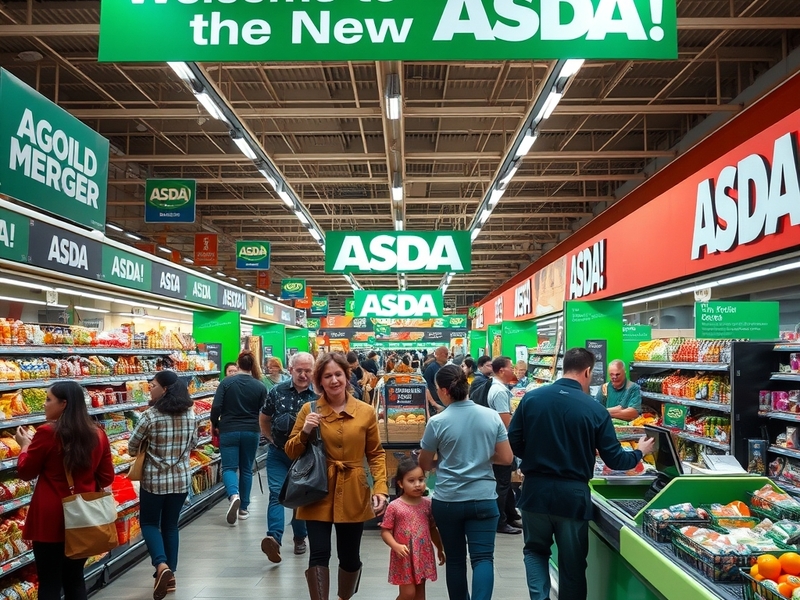
The recent merger involving Asda has stirred discussions across various sectors, particularly in retail and business. This strategic move reflects the ongoing shifts in the grocery market, influenced by consumer behavior, economic conditions, and technological advancements. Asda, a prominent player in the UK supermarket sector, has long been known for its competitive pricing and extensive product range. The merger marks a significant turning point in its operational strategy.
The Implications of the Merger
Asda’s merger is not merely a business strategy; it also carries significant implications for the retail landscape. By combining resources and expertise with its new partner, Asda aims to enhance its market position and operational efficiency. This change could lead to:
- Improved Supply Chain Management: Merging can streamline logistics, reducing costs and improving product availability.
- Expanded Product Range: The merger may allow Asda to offer a wider variety of products, catering to diverse consumer needs.
- Increased Competitive Edge: With enhanced resources, Asda can better compete with rivals like Tesco and Sainsbury’s.
These factors could significantly influence consumer shopping habits and expectations, as well as impact pricing strategies across the sector.
Cultural Context and Global Perspective
The Asda merger is reflective of broader trends in the global retail market. In recent years, many retailers have sought partnerships and mergers to navigate the increasingly competitive landscape. For instance, grocery chains in the U.S. and Europe have also engaged in similar strategies to bolster market presence.
In the UK, the grocery market is characterized by a few dominant players, making it essential for companies like Asda to adapt to changing consumer preferences. The rise of e-commerce and the increasing demand for online shopping options have compelled retailers to innovate continually. This merger could be seen as a response to those pressures, allowing Asda to invest in technology and enhance its online platforms.
Consumer Reactions and Future Prospects
Consumer reactions to the merger have been mixed. Some shoppers are optimistic about the potential benefits, such as improved pricing and a wider selection of products. Others, however, express concerns regarding the concentration of market power and the potential for reduced competition.
Looking ahead, the success of the Asda merger will depend on several factors:
- How effectively the companies integrate their operations and cultures.
- The ability to maintain or lower prices while improving service quality.
- Responding to customer feedback and adapting to market changes.
Ultimately, Asda’s future will hinge on its ability to innovate and stay relevant in a rapidly evolving market. As consumers become more discerning, the pressure will be on Asda to deliver not only value but also a shopping experience that resonates with their needs.
In conclusion, the Asda merger represents a significant development in the retail industry. It reflects the need for companies to adapt and evolve in a competitive market. As the merger unfolds, it will be crucial to monitor its impact on consumers, competitors, and the overall market dynamics. For those interested in the business and retail sectors, this merger serves as a case study on the importance of strategic partnerships in navigating challenges and opportunities.