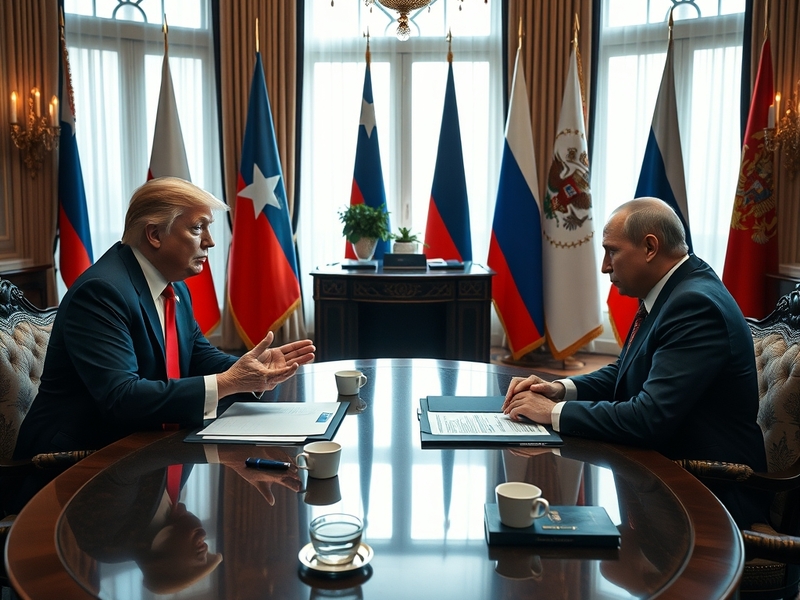
Context of the Meeting
The meeting between Donald Trump and Vladimir Putin has always attracted significant attention. It symbolizes the complex relationship between the United States and Russia, two nations that have often found themselves at odds on the global stage. This particular summit, which took place in Helsinki in July 2018, was marked by a backdrop of escalating tensions, allegations of election interference, and concerns over international security.
Prior to the meeting, the geopolitical climate was fraught with accusations. The U.S. had imposed sanctions on Russia due to its annexation of Crimea and its involvement in the Syrian conflict. Meanwhile, Russia had expressed its disdain for NATO and the Western alliance. In this charged atmosphere, the meeting was seen as a critical opportunity for dialogue.
Key Outcomes of the Meeting
During the summit, both leaders addressed several pressing issues. Here are some key points that emerged from their discussions:
- Election Interference: Trump publicly questioned the validity of U.S. intelligence reports regarding Russian interference in the 2016 presidential election.
- Nuclear Arms Control: Both leaders discussed the importance of arms control agreements, signaling an interest in reducing nuclear stockpiles.
- Syrian Conflict: The two nations expressed a shared interest in finding a resolution to the ongoing conflict in Syria.
- Trade Relations: Economic ties and potential trade agreements were also a topic of conversation, reflecting a desire to improve bilateral relations.
Broader Implications for U.S.-Russia Relations
The implications of the Trump-Putin meeting extend beyond the immediate discussions. The summit was emblematic of a broader trend in U.S.-Russia relations, characterized by a mix of confrontation and cooperation. While both leaders expressed a willingness to engage, the underlying tensions remained palpable.
The meeting raised eyebrows among U.S. lawmakers and allies. Many viewed Trump’s conciliatory tone towards Putin as a departure from traditional American foreign policy. Critics argued that it undermined the U.S. stance on human rights and democracy, particularly given Russia’s record on these issues.
Public Reception and Aftermath
The public and media reaction to the meeting was swift and largely negative. Analysts criticized Trump’s remarks and questioned the effectiveness of the summit. The fallout included:
- Calls for investigations into the nature of the discussions.
- Increased scrutiny of Trump’s foreign policy approach.
- Strained relations between the U.S. and its European allies, who were concerned about Trump’s willingness to engage with Putin.
The aftermath of the summit saw a return to more traditional rhetoric from U.S. officials, with renewed emphasis on the importance of NATO and collective security. The meeting may have opened a door for dialogue, but it also highlighted the significant divides that remain between the two countries.
Conclusion
The Trump-Putin meeting in Helsinki was a pivotal moment in U.S.-Russia relations, encapsulating the complexities of diplomacy in an increasingly polarized world. While the discussions touched on vital issues, the broader implications and public reception underscored the challenges both leaders face. The summit demonstrated that while dialogue is essential, it must be approached with caution, given the historical and contemporary tensions that define U.S.-Russia interactions.