Overview of UMass Football
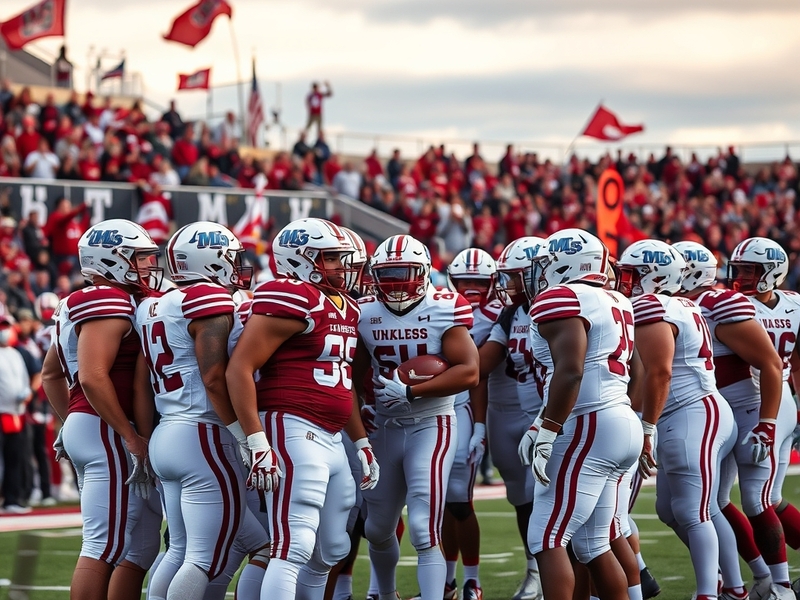
UMass football, representing the University of Massachusetts Amherst, has a rich history filled with both triumphs and challenges. As a member of the Football Bowl Subdivision (FBS), UMass has faced stiff competition in the NCAA landscape. The Minutemen, as they are known, transitioned to FBS in 2012, marking a significant shift in their program. This move aimed to elevate the program’s visibility and competitiveness, but it also brought unique challenges.
Recent Performance and Challenges
In recent seasons, UMass football has struggled to find consistency. The team has faced difficulties in both recruiting and retaining talent, which has hindered their ability to compete at a high level. The transition from FCS to FBS has not been seamless, and the Minutemen have often found themselves outmatched against stronger teams. However, there are signs of hope as the coaching staff works to rebuild the program.
Key challenges include:
- Recruitment issues in a competitive landscape
- Injuries impacting player performance
- Struggles against top-tier FBS opponents
- Need for improved facilities and support
Despite these hurdles, UMass is committed to improving its football program. The school has invested in coaching staff and facilities, aiming to create a more robust environment for student-athletes.
Future Prospects and Strategies
The future of UMass football hinges on several strategic initiatives. The program is focusing on enhancing its recruiting efforts, particularly in the Northeast, where it can tap into a plethora of high school talent. Building relationships with local high schools and showcasing the university’s academic and athletic benefits will be crucial.
Additionally, UMass is exploring partnerships with local businesses and alumni to bolster its financial support. This could lead to improved facilities, which are essential for attracting top recruits. The university’s commitment to enhancing the student-athlete experience is evident in their plans for upgrades.
Key strategies include:
- Strengthening recruitment efforts in nearby states
- Improving training facilities and resources
- Enhancing game-day experiences to attract fans
- Building a strong alumni network for support
Broader Implications for College Football
The situation at UMass reflects broader trends in college football, where programs are constantly adapting to remain competitive. The increasing financial pressures and the evolving landscape of college athletics necessitate that schools invest wisely in their programs. UMass’s experience highlights the importance of strategic planning and community involvement in rebuilding a football program.
In a time when college football is seeing an influx of talent and resources, UMass has the opportunity to carve out its niche. The emphasis on academic performance alongside athletic prowess can attract student-athletes who are looking for a well-rounded college experience. This dual focus not only enriches the program but also enhances the university’s reputation.
In conclusion, UMass football stands at a crossroads. While challenges abound, the potential for growth and improvement is significant. By focusing on recruitment, community engagement, and facility upgrades, the Minutemen can work towards becoming a more competitive force in college football. The journey ahead will require dedication and strategic vision, but the foundation for success is being laid.