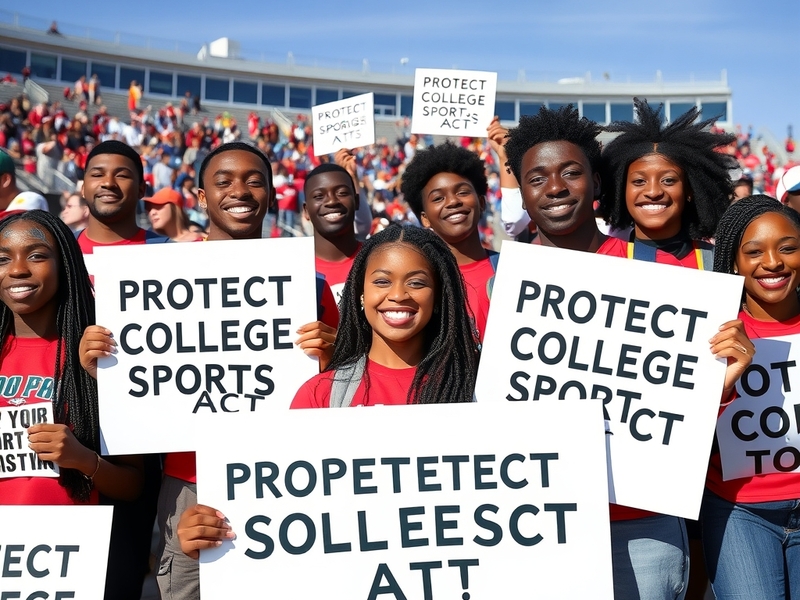
Understanding the Protect College Sports Act
The Protect College Sports Act has emerged as a significant piece of legislation aimed at safeguarding the integrity of college athletics in the United States. This act addresses various issues surrounding the treatment of college athletes, including their rights, compensation, and overall welfare. As discussions around the commercialization of college sports intensify, the act seeks to establish a framework that balances the interests of educational institutions with those of student-athletes.
Key Provisions of the Act
The Protect College Sports Act encompasses several pivotal provisions designed to protect student-athletes. Among its primary aims is the prevention of exploitation and ensuring that athletes receive fair treatment. Key features of the act include:
- Scholarship Protections: Ensures that scholarships for student-athletes cannot be revoked for athletic performance alone.
- Health and Safety Standards: Mandates that colleges provide comprehensive health care and safety measures for athletes.
- Compensation for Name, Image, and Likeness (NIL): Establishes guidelines for athletes to profit from their personal brand without jeopardizing their eligibility.
- Transparency in Recruitment: Requires colleges to disclose recruitment practices and financial arrangements related to athletic programs.
Cultural Impact and Global Perspective
While the Protect College Sports Act is primarily focused on the U.S. collegiate sports system, its implications resonate beyond American borders. In many countries, college sports do not hold the same level of significance as they do in the U.S., where college football and basketball have become cultural staples. However, the growing trend of athlete compensation and rights is gaining traction globally.
In Europe, for instance, the landscape of sports is markedly different. Athletes often transition directly from youth academies to professional leagues, bypassing the college system altogether. This difference raises questions about how similar protections for young athletes could be implemented in various national contexts. Countries like Australia and Canada are beginning to examine their own systems, considering how to enhance athlete welfare while promoting competitive integrity.
Challenges Ahead
Despite the promising aspects of the Protect College Sports Act, its implementation faces numerous challenges. One of the most significant obstacles is the resistance from various stakeholders, including college athletic programs, universities, and even some athletes who fear that increased regulations may complicate their careers.
Moreover, the act’s effectiveness hinges on consistent enforcement and the willingness of institutions to adapt. There is also the ongoing debate about the balance of power between colleges and student-athletes. Some argue that while the act provides necessary protections, it may not go far enough in addressing the systemic issues present in college sports today.
Conclusion
The Protect College Sports Act is a critical step toward reforming the landscape of college athletics in the United States. By addressing the rights and welfare of student-athletes, the act aims to create a more equitable environment. However, for it to succeed, collaboration among all stakeholders is essential. As the conversation about athlete rights continues to evolve, the impact of this legislation may serve as a blueprint for other nations grappling with similar issues in their sports systems.
For more insights into the world of sports, visit our Sports section for the latest news and updates.