
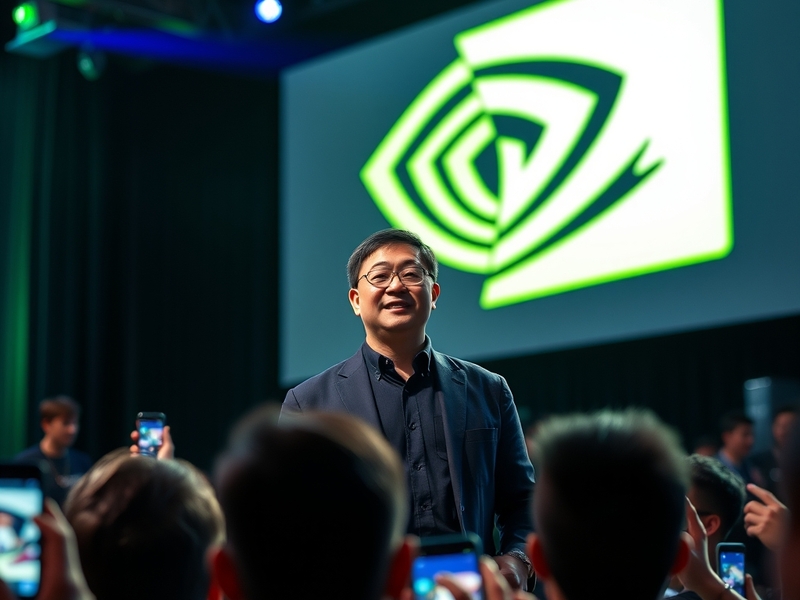
The Visionary Behind NVIDIA: Jensen Huang
Jensen Huang, co-founder and CEO of NVIDIA, is a pivotal figure in the technology sector. His leadership has transformed NVIDIA from a graphics card manufacturer into a leader in artificial intelligence (AI), gaming, and data center solutions. Huang’s vision has not only driven the company’s success but has also played a significant role in shaping the future of computing.
From Graphics Cards to AI Revolution
When NVIDIA was founded in 1993, it focused primarily on producing graphics processing units (GPUs) for gaming. Under Huang’s leadership, the company expanded its scope. Today, NVIDIA is synonymous with AI and machine learning. This shift is largely due to Huang’s foresight in recognizing the potential of GPUs beyond gaming.
Key milestones in this journey include:
- The launch of CUDA in 2006, which allowed developers to use GPU power for general computing.
- Acquisition of Mellanox Technologies in 2019, enhancing data center capabilities.
- Introduction of the NVIDIA A100 Tensor Core GPU, designed specifically for AI workloads.
These innovations have positioned NVIDIA as a leader in sectors such as automotive, healthcare, and cloud computing. Huang’s strategic decisions have led to partnerships with major companies, further solidifying NVIDIA’s role in the tech ecosystem.
Leadership Style and Corporate Culture
Huang’s leadership style is often described as passionate and hands-on. He is known for his intense focus and commitment to innovation. This approach fosters a corporate culture that values creativity and risk-taking. Employees at NVIDIA are encouraged to explore new ideas and push boundaries.
This culture has resulted in groundbreaking products and technologies, but it also comes with challenges. The pressure to continually innovate can lead to burnout among employees. Nonetheless, Huang’s ability to inspire his team keeps the company at the forefront of technological advancements.
The Future of NVIDIA and Broader Implications
Looking ahead, NVIDIA faces both opportunities and challenges. The demand for AI and machine learning solutions is expected to grow exponentially. Huang’s vision for the company includes expanding into new markets and enhancing existing technologies. However, competition is increasing, particularly from companies like AMD and Intel, which are also investing heavily in AI and GPU technology.
Huang’s leadership will be crucial in navigating these challenges. The broader implications of NVIDIA’s advancements extend beyond gaming or AI. As industries increasingly rely on AI, the ethical considerations surrounding its use become more pressing. Huang has often emphasized the importance of responsible AI development, indicating that NVIDIA is aware of its role in this crucial conversation.
In conclusion, Jensen Huang’s influence on NVIDIA and the technology sector as a whole cannot be overstated. His visionary leadership has not only propelled NVIDIA to new heights but has also contributed to the evolution of computing. As the company continues to innovate, the impact of Huang’s decisions will resonate throughout various industries for years to come.