
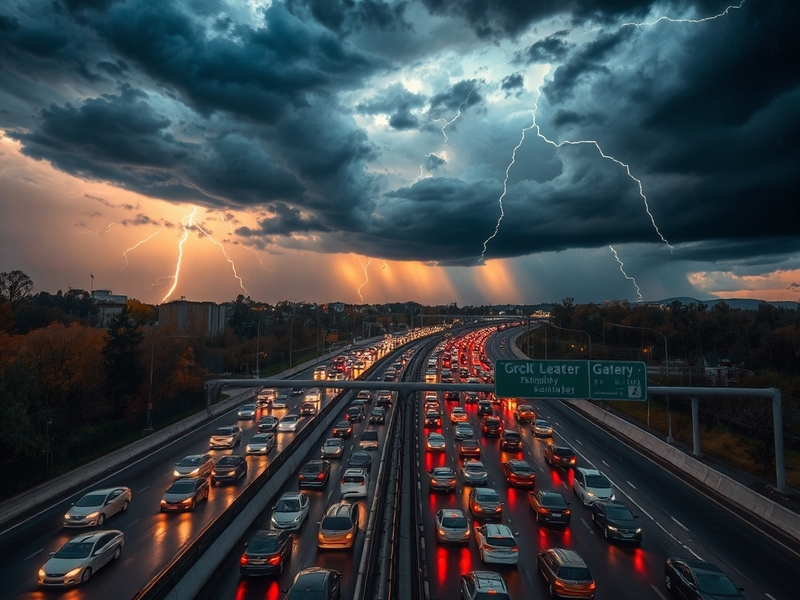
Understanding Thanksgiving Storms and Travel Forecasts
As Thanksgiving approaches, millions of people prepare for one of the busiest travel days of the year. While families look forward to reunions and feasts, weather conditions can significantly impact travel plans. Thanksgiving storms can create hazardous conditions, leading to flight delays, road closures, and other travel disruptions. Understanding the forecast and preparing accordingly is crucial for a smooth holiday experience.
Weather Patterns and Their Impact
Thanksgiving is a time when various weather patterns converge, often resulting in storms that can affect large areas. Cold fronts moving southward collide with warmer, moist air, creating the potential for severe weather. This phenomenon is particularly common in the United States, but other regions around the world also face similar challenges during their holiday seasons.
In the U.S., the Northeast and Midwest are often the most affected areas. Snow, sleet, and ice can make travel treacherous. In contrast, the South may experience heavy rain and thunderstorms. Understanding these regional differences helps travelers anticipate what conditions they may face.
Forecasting Techniques
Modern meteorology employs various techniques to predict weather conditions accurately. Some of the key methods include:
- Satellite Imagery: Provides real-time visuals of cloud cover and storm systems.
- Weather Radar: Tracks precipitation intensity and movement.
- Numerical Weather Prediction Models: Uses complex algorithms to predict future weather patterns based on current conditions.
These forecasting tools allow meteorologists to provide timely updates, helping travelers make informed decisions about their journeys.
Travel Tips for Thanksgiving
Traveling during Thanksgiving can be stressful, especially when inclement weather is in the forecast. Here are some essential tips to help ensure a smoother experience:
- Check the Weather: Regularly monitor forecasts from reliable sources as your travel date approaches.
- Plan Ahead: If possible, travel earlier to avoid peak times and potential weather disruptions.
- Stay Flexible: Be prepared for changes in your travel itinerary and have backup plans in place.
- Pack an Emergency Kit: Include essentials such as blankets, snacks, water, and a first-aid kit in your vehicle.
These strategies can help mitigate the chaos that often accompanies holiday travel, especially during stormy weather.
Cultural Context and Global Perspectives
Thanksgiving is primarily celebrated in the United States and Canada, but many cultures around the world have their own versions of harvest festivals. In countries like Japan, the rice harvest is celebrated with a festival called “Inaho Matsuri,” while in India, “Pongal” marks the end of the harvest season with feasting and festivities. Understanding these cultural contexts can enrich the experience of Thanksgiving for travelers, as they may encounter diverse traditions and practices during their holiday.
Moreover, the impact of weather on travel is a global concern. In Europe, winter storms can disrupt holiday markets and travel plans, while in Australia, summer storms can affect those traveling for Christmas celebrations. As climate change continues to alter weather patterns, the need for accurate forecasting and preparation becomes increasingly vital for travelers worldwide.
In conclusion, Thanksgiving storms can pose significant challenges for travelers, but understanding the weather patterns and preparing accordingly can help minimize disruptions. By staying informed and flexible, families can focus on what truly matters: spending quality time together. As the holiday season approaches, both travelers and meteorologists play essential roles in ensuring safe and enjoyable journeys.