Understanding the Full Moon Beaver Moon
The Full Moon Beaver Moon, which occurs in November, is a significant celestial event that holds various meanings across cultures and traditions. Named for the time of year when beavers are preparing for winter, this full moon has been observed for centuries. Its impact extends beyond mere observation, influencing folklore, agriculture, and even modern spirituality.
Cultural Significance of the Beaver Moon
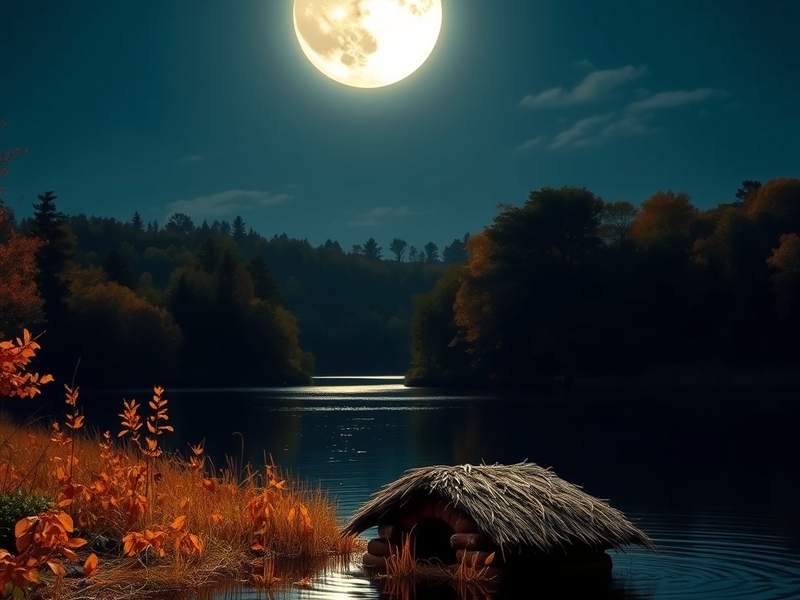
Historically, the Beaver Moon was a time for Native American tribes to set their beaver traps before the swamps froze. This ensured a steady supply of fur for winter clothing and trade. Different cultures have their interpretations of the Beaver Moon, often linking it to themes of preparation and resourcefulness.
In some Native American traditions, the Beaver Moon is also associated with gratitude and reflection. It is a time to give thanks for the abundance of the harvest and to prepare for the colder months ahead. This connection to nature emphasizes the importance of living in harmony with the environment.
Modern Observances and Spiritual Practices
In contemporary society, the Full Moon Beaver Moon has been embraced by various spiritual communities. Many people gather to celebrate this lunar event through rituals and meditations. Common practices include:
- Moonlight ceremonies to honor the transition of seasons.
- Setting intentions for the coming months.
- Creating art or writing inspired by the moon’s energy.
These gatherings often encourage participants to reflect on their personal journeys and to connect with others who share similar interests. The Beaver Moon serves as a reminder of the cyclical nature of life and the importance of preparing for changes.
Scientific Perspective on the Beaver Moon
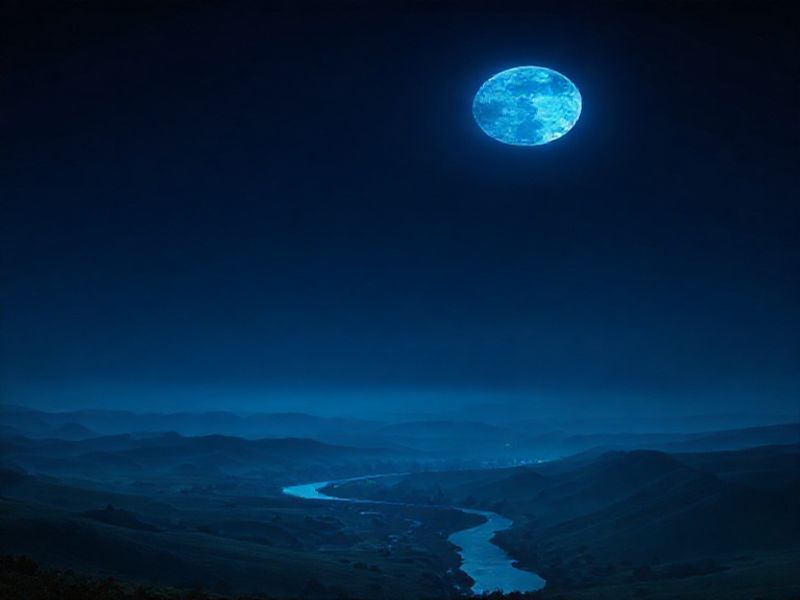
From an astronomical standpoint, the Full Moon Beaver Moon occurs when the moon is fully illuminated by the sun, appearing brightest in the night sky. This month, the moon will be especially visible due to favorable weather conditions in various parts of the world. Observers can expect to see a bright, round moon that may take on a golden hue as it rises above the horizon.
The Beaver Moon is also notable for its positioning in the sky. As the moon travels through its phases, it influences tides and has been thought to affect animal behavior. For instance, some studies suggest that certain animals are more active during full moons, which may impact hunting and farming practices.
Global Celebrations and Observances
Across the globe, the Full Moon Beaver Moon is celebrated in different ways, reflecting local customs and traditions:
- North America: Many Indigenous tribes hold ceremonies to honor the moon and its significance in their culture.
- Europe: In some regions, families gather to share stories and enjoy seasonal foods, celebrating the harvest.
- Asia: Various cultures hold moon-viewing festivals, where people admire the beauty of the full moon while enjoying traditional foods.
These celebrations highlight the universal appreciation for the moon and its role in marking time and seasons. They serve as a reminder of humanity’s connection to nature and the cycles that govern our lives.
Conclusion
The Full Moon Beaver Moon is more than just an astronomical event; it encapsulates a rich tapestry of cultural significance, scientific inquiry, and spiritual practice. Whether you are an avid stargazer, a spiritual seeker, or someone simply interested in the rhythms of nature, this full moon offers an opportunity to reflect, connect, and prepare for the future.
As the Beaver Moon illuminates the night sky, take a moment to appreciate its beauty and the traditions that have been woven around it. Join in the celebrations or simply enjoy the view from your backyard. Each full moon invites us to pause and contemplate the world around us, fostering a deeper connection to the universe.