Understanding the O’Hare Ground Stop
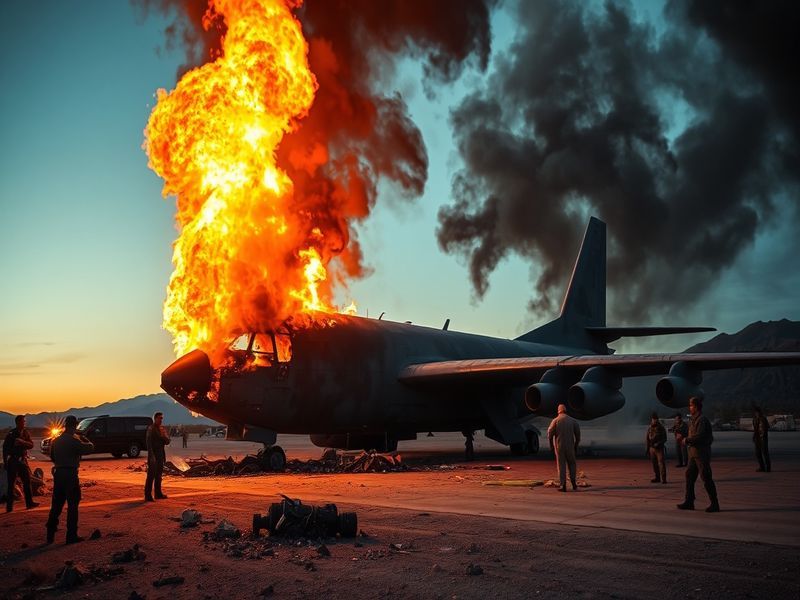
The O’Hare Ground Stop is a significant event within the aviation industry, particularly affecting travelers and airlines in and out of Chicago’s O’Hare International Airport. A ground stop occurs when air traffic control temporarily halts all departures or arrivals at an airport due to various reasons such as severe weather, technical issues, or security concerns. This measure is critical for maintaining safety and efficiency in air travel.
Reasons for a Ground Stop
Ground stops can be triggered by several factors, each impacting airport operations differently. Here are some of the most common reasons:
- Weather Conditions: Severe weather, such as thunderstorms, heavy snow, or fog, can significantly reduce visibility and create unsafe flying conditions.
- Technical Issues: Problems with air traffic control systems or airport equipment can necessitate a ground stop until the issues are resolved.
- Security Alerts: Any heightened security threat may lead to a temporary halt in operations to ensure passenger safety.
- Air Traffic Congestion: When air traffic is too congested, a ground stop can help manage the flow of incoming and outgoing flights.
Impact on Travelers
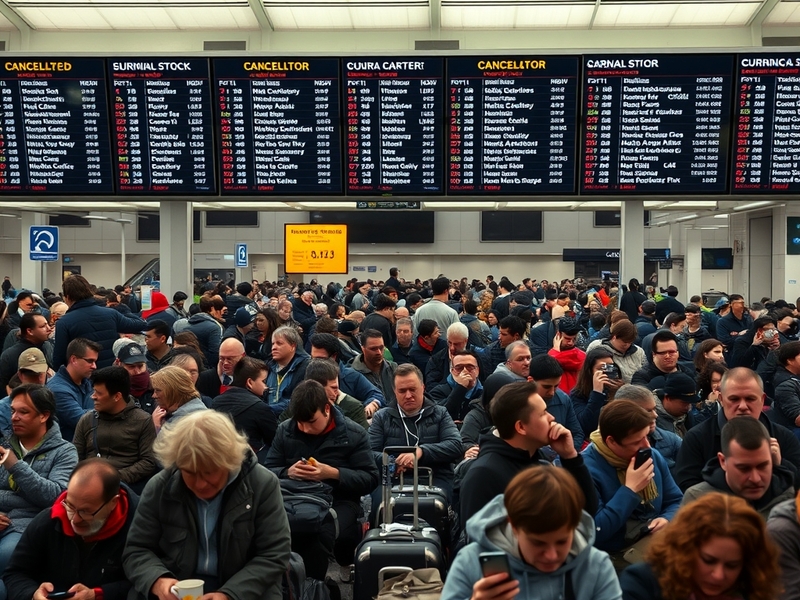
The impact of a ground stop is felt immediately by travelers. Passengers can experience delays, cancellations, and extended waiting times. For those already at the airport, the uncertainty can be frustrating. Airlines often scramble to accommodate affected passengers, leading to a ripple effect on subsequent flights.
Travelers should stay informed during a ground stop. Airlines frequently update their websites and mobile apps with real-time information regarding flight statuses. Additionally, the O’Hare website and social media channels can provide timely updates and advisories.
Managing Disruptions
For travelers, knowing how to manage disruptions caused by a ground stop can ease some of the stress associated with air travel. Here are several tips:
- Stay Informed: Regularly check flight status updates through airline apps or the O’Hare website.
- Contact Airlines: Reach out to your airline for rebooking options and other assistance.
- Plan for Delays: Bring entertainment or work materials to pass the time if you expect a prolonged wait.
- Know Your Rights: Familiarize yourself with airline policies regarding cancellations and compensation.
Implementing these strategies can help mitigate the inconvenience caused by a ground stop, making the experience more manageable.
Conclusion
The O’Hare Ground Stop is a necessary protocol that ensures the safety and efficiency of air travel. While it can significantly disrupt travel plans, understanding the reasons behind it and knowing how to respond can make a difference. By staying informed and prepared, travelers can navigate the challenges posed by such unforeseen circumstances more effectively.