
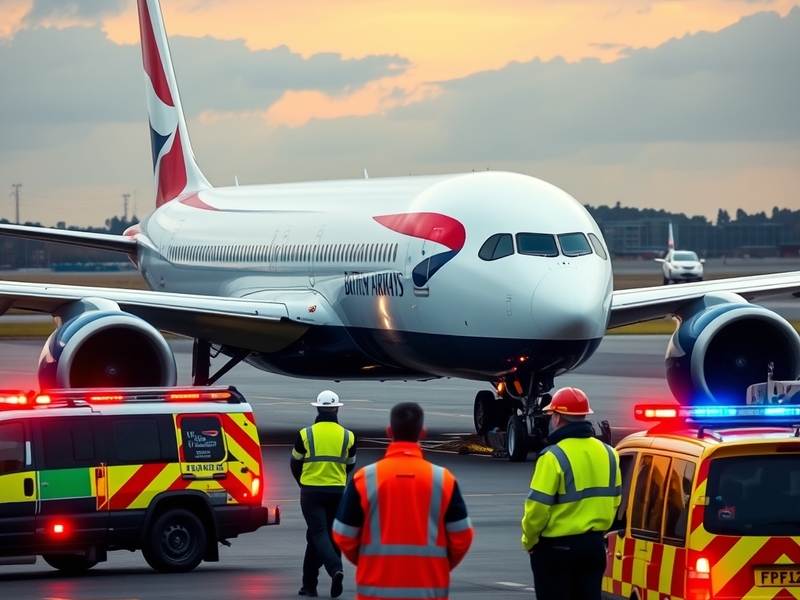
Overview of the Incident
On a routine flight, British Airways’ Boeing 787-10 experienced a critical emergency that prompted immediate action from the crew and air traffic control. The incident occurred shortly after takeoff, raising concerns among passengers and aviation experts alike. The aircraft, a modern addition to the British Airways fleet, is known for its advanced technology and fuel efficiency. However, this situation highlighted the inherent risks associated with air travel.
Details of the Emergency
The emergency unfolded when the flight crew detected a significant anomaly in one of the aircraft’s systems. Passengers reported a sudden drop in altitude followed by a rapid ascent, causing panic among those on board. Fortunately, the pilots acted swiftly, following established protocols to ensure the safety of everyone involved. The aircraft made a return to the departure airport without further incident.
While the specific details of the malfunction are still under investigation, initial reports suggest it may have been related to the aircraft’s hydraulic systems. Such systems are crucial for the control and operation of various flight functions, including landing gear deployment and wing adjustments.
Response and Safety Protocols
The response to the emergency was commendable. British Airways has rigorous safety protocols in place, and the flight crew’s training was put to the test. Following the incident, a thorough inspection of the aircraft was conducted, ensuring that any potential issues were identified and addressed. This incident serves as a reminder of the importance of ongoing training and preparedness in the aviation industry.
Passengers were offered support and reassurances throughout the ordeal. Many expressed their gratitude for the professionalism displayed by the flight crew. The airline provided accommodation for those affected and arranged alternative travel plans.
Key Safety Protocols in Aviation
In light of the recent incident, it’s essential to understand the safety protocols that are typically followed in aviation emergencies. These include:
- Pre-flight checks and maintenance to ensure all systems are operational.
- Regular training for pilots and crew to handle emergencies effectively.
- Clear communication with air traffic control during any irregularities.
- Passenger safety briefings to prepare individuals for potential emergencies.
Analysis of the Boeing 787-10 Performance
The Boeing 787-10 is celebrated for its advanced design and efficiency. With a longer fuselage compared to its predecessors, it offers more passenger capacity while maintaining a focus on fuel economy. However, no aircraft is immune to technical issues. The recent incident raises questions about the reliability of such advanced systems.
Experts suggest that while modern aircraft are equipped with sophisticated technology, the complexity of these systems can sometimes lead to unforeseen complications. Continuous monitoring and advancements in aviation technology are critical for ensuring passenger safety.
Conclusion
The British Airways Boeing 787-10 emergency serves as a crucial reminder of the importance of safety in aviation. While the incident concluded without severe consequences, it highlights the need for constant vigilance and training within the industry. As investigations continue, the focus will shift toward understanding the root cause and preventing future occurrences.
For more updates on aviation news, visit our Travel or News sections.