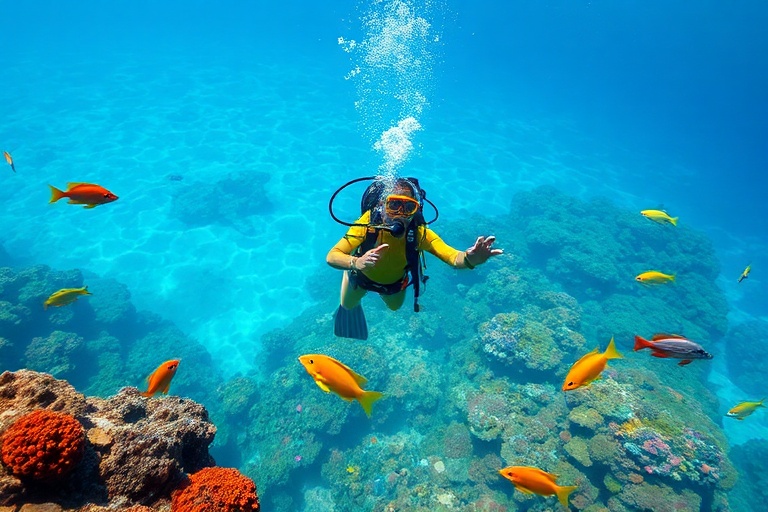
The Maldives is often celebrated for its overwater bungalows and pristine white-sand beaches, but beneath the turquoise surface lies a different kind of paradise—one that only divers truly experience. The atolls of this Indian Ocean nation are home to some of the most biodiverse marine ecosystems on Earth, where coral gardens stretch for miles and pelagic giants glide through the deep. For those who descend with scuba gear or freediving fins, the Maldives offers not just a vacation, but a journey into an underwater world that remains largely unseen by the millions who visit each year.
The Allure of the Maldives for Divers
What draws divers to the Maldives is the sheer unpredictability of what lies below. Unlike many dive destinations where specific sites are known for guaranteed sightings, the Maldives thrives on spontaneity. One moment, a diver might be surrounded by a swirling school of silver fish; the next, a 30-foot whale shark glides into view. The country’s 26 atolls create natural channels that funnel nutrients into the open ocean, attracting large pelagic species such as manta rays, reef sharks, and even the occasional tiger shark.
The topography of the Maldives is equally compelling. Vertical drop-offs plunge thousands of feet into the abyss, while shallow lagoons teem with life. Drift diving is a hallmark of the experience here, where currents carry divers along walls carpeted with soft corals and black coral trees. Visibility often exceeds 30 meters, turning the water into a crystal-clear window into another world.
Key Reasons Divers Choose the Maldives
- Year-round diving: Water temperatures hover between 26–29°C (79–84°F) year-round, making it possible to dive in any season.
- Manta ray hotspots: Sites like Hanifaru Bay in Baa Atoll are globally recognized for manta ray feeding frenzies during the southwest monsoon.
- Whale shark encounters: Ari Atoll and Maamigili Beyru are known aggregation sites for these gentle giants.
- Unique topography: From thila (underwater reefs) to channels and overhangs, the dive sites are as varied as they are dramatic.
- Luxury liveaboard culture: Many divers opt for multi-day liveaboard trips to access remote atolls and maximize marine encounters.
The Economic and Ecological Role of Diving in the Maldives
Tourism is the lifeblood of the Maldives, and diving represents a high-value segment of its $3.5 billion industry. While mass tourism often focuses on resorts, diving tourism attracts a niche audience willing to pay premium rates for exclusive experiences. Liveaboards, for example, can cost $4,000–$7,000 per week, with guests staying in well-appointed cabins and dining on gourmet meals between dives. These operators typically employ local guides, marine biologists, and support staff, injecting income directly into island communities.
Yet the relationship between diving and conservation is complex. On one hand, revenue from diving funds marine protected areas and research initiatives. On the other, poorly managed tourism can damage fragile ecosystems. Coral bleaching events, such as those in 2016 and 2019, have highlighted the vulnerability of the Maldives’ reefs. Divers who visit today are often part of a growing movement of “eco-divers”—travelers who prioritize sustainability and seek operators certified by organizations like Green Fins.
The Maldives Marine Research Institute and NGOs like the Manta Trust work closely with dive operators to monitor species populations and educate visitors. Many resorts now offer “citizen science” programs where divers can log data on whale sharks or coral health, contributing to long-term conservation efforts.
The Human Side: Divers Who Call the Maldives Home
Behind the scenes, a dedicated community of Maldivian and international divers keep the industry running. Marine biologists like Shaha Hashim, founder of the Maldives Whale Shark Research Programme, have spent years tracking and protecting the country’s iconic species. Others, like German expat Udo Gommel, have operated liveaboards in the Maldives for over two decades, building relationships with local communities and helping establish safe diving practices.
For local divers, the ocean is more than a workplace—it’s a way of life. Many come from island communities where fishing was once the primary livelihood. As tourism shifts toward marine-based activities, younger generations are finding new opportunities. Some are becoming dive instructors, while others work in conservation or hospitality, bridging the gap between tradition and modernity.
“The sea is our supermarket, our highway, and our temple,” says Aminath Shauna, a marine guide from Baa Atoll. “Diving lets us share that sacred space with the world.”
Broader Implications: What the Maldives Teaches the World
The Maldives serves as a microcosm for global marine conservation challenges. Its low-lying geography makes it one of the most vulnerable nations to climate change, with rising sea levels threatening both its land and its reefs. Yet, it is also a global leader in marine protection, with over 99% of its territorial waters designated as protected areas. The country’s commitment to conservation offers lessons for other nations grappling with overfishing, pollution, and habitat destruction.
For divers and non-divers alike, the Maldives challenges perceptions of what a tropical destination should be. It is not just a place to relax—it is a place to witness the raw power and fragility of life beneath the waves. As climate change intensifies, the role of divers as both ambassadors and guardians of the ocean will only grow in importance.
“Every dive in the Maldives is a reminder that we are visitors in a world we do not own,” says marine photographer Thomas Peschak. “Our job is to leave it better than we found it.”
How Divers Can Help Protect the Maldives
- Choose eco-certified operators: Look for dive centers and liveaboards with Green Fins or PADI’s Eco Center accreditation.
- Practice buoyancy control: Poor buoyancy can damage coral—take a Peak Performance Buoyancy course if needed.
- Support local conservation projects: Donate to or volunteer with organizations like the Olive Ridley Project or the Maldives Coral Institute.
- Reduce your carbon footprint: Opt for direct flights and choose resorts with sustainability certifications.
- Share responsibly: Avoid posting exact GPS coordinates of sensitive dive sites to prevent overcrowding.
As the world’s oceans face unprecedented threats, the Maldives remains a beacon of both beauty and resilience. For divers who venture beneath its surface, it offers an unforgettable glimpse into a world worth fighting for. Whether you’re a seasoned technical diver exploring the deep channels of Fuvahmulah or a beginner marveling at a manta ray gliding past a coral bommie, the Maldives delivers an experience that transcends the ordinary. It is, in every sense, a frontier—not just of exploration, but of hope.
Explore more about diving destinations and marine conservation on Dave’s Locker Travel and learn about sustainable tourism practices at Dave’s Locker Analysis.