
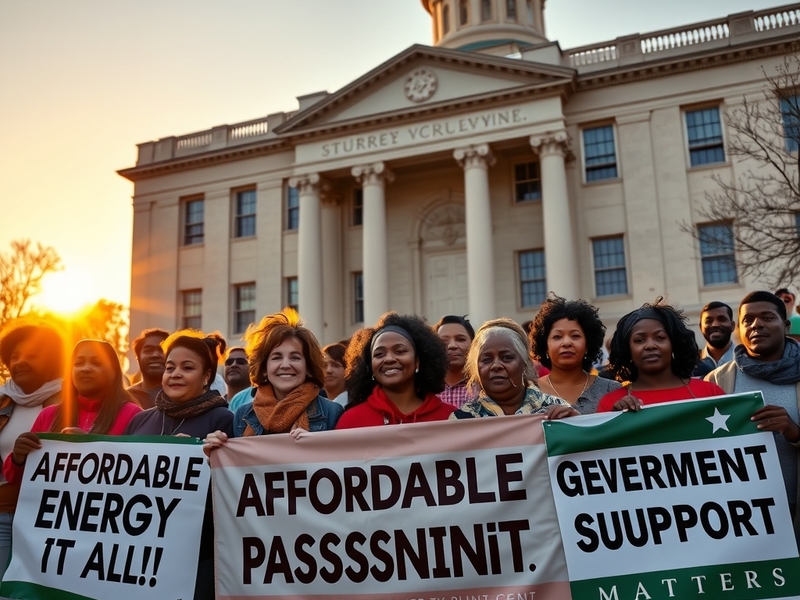
Understanding Government Energy Payments
Government energy payments are financial assistance programs designed to alleviate the burden of energy costs on households and businesses. These programs vary widely across different countries and regions, reflecting local energy markets, economic conditions, and social policies. The significance of these payments has grown, especially in response to fluctuating energy prices and the increasing focus on sustainable energy solutions.
Global Perspectives on Energy Payments
Countries implement energy payment programs for various reasons, often influenced by their unique socio-economic contexts. For instance, in Europe, energy payments have become crucial as many nations aim to transition to renewable energy sources while ensuring energy accessibility for all citizens. In contrast, developing nations may focus on affordability and reliability of energy supplies.
Here are a few examples of how different countries approach government energy payments:
- United States: The Low Income Home Energy Assistance Program (LIHEAP) provides financial assistance to low-income households to manage their energy bills.
- Germany: The country has invested heavily in renewable energy, offering subsidies and incentives for citizens to adopt solar and wind energy solutions.
- India: The Pradhan Mantri Ujjwala Yojana aims to provide clean cooking fuel to rural households, reducing reliance on traditional biomass fuels.
- Australia: Various state governments offer rebates and incentives for energy-efficient appliances and renewable energy installations.
The Cultural Impact of Energy Payments
Energy payments do not merely serve as financial aid; they reflect a government’s commitment to social welfare and environmental responsibility. In many cultures, the accessibility of affordable energy is intertwined with social equity. For example, in Scandinavian countries, where energy payments are tied to a broader social safety net, citizens often view such initiatives as a communal responsibility to ensure everyone has access to essential services.
Conversely, in regions where energy payments are viewed as a government handout, there can be social stigma attached. This perception can influence public support for energy assistance programs and impact policy decisions. The challenge lies in balancing the need for assistance with fostering a culture of self-sufficiency and sustainable energy practices.
Challenges and Future Directions
While government energy payments play a vital role in supporting households and businesses, they are not without challenges. Funding these programs can strain national budgets, especially during economic downturns. Additionally, there is the risk of dependency on subsidies, which may hinder investment in long-term energy solutions.
Looking ahead, governments must consider several factors:
- Transition to Renewable Energy: Investing in sustainable energy sources can reduce long-term costs and reliance on fossil fuels.
- Targeted Assistance: Ensuring that payments reach those most in need can enhance the effectiveness of these programs.
- Public Awareness: Educating citizens about energy efficiency can lead to reduced consumption and lower energy bills.
- Technological Integration: Utilizing smart energy systems can help optimize energy use and reduce costs for consumers.
In conclusion, government energy payments are a critical component in managing energy costs and promoting social equity across various nations. As the global landscape of energy consumption evolves, so too must the strategies that governments employ to support their citizens. By focusing on sustainable solutions and targeted assistance, governments can navigate the complexities of energy payments while fostering a culture of resilience and innovation.